For centuries the University has helped to shape and change the world through visionary ideas and ground-breaking discoveries. This contribution has never been so important as it is now, in these rapidly-changing and uncertain times, when countries, institutions and businesses are discovering new ways of working together and sharing knowledge for the common good. For nearly a century, the University’s International Summer Programmes have brought people together, face-to-face, to hear our scholars talk about ideas and discoveries. This year we have had to find new ways to share inspirational learning with our global community of adult students. The Virtual Summer Festival of Learning is open to students aged 18-80+. Students aged 16-18 are welcome to join our virtual Pre-University Summer Programme.
We are proud to launch our first Virtual Summer Festival of Learning. Please join us.
Over 80 online courses offered as part of the Festival, covering a range of disciplines, will be taught by leading Cambridge academics and our panel of subject specialists. Each course is normally capped at 40 participants and costs £75.
Click here to see the full list of available courses to book.
The courses will run during the following dates:
- Week 1: 6 July – 10 July 2020
- Week 2: 13 July – 17 July 2020
- Week 3: 20 July – 24 July 2020
Courses of interest which are available in Week 1: 6 – 10 July 2020:
Courses of interest which are available in Week 2: 13 – 17 July 2020:
Courses of interest which are available in Week 3: 20 – 24 July 2020:
A wide variety of free open-access pre-recorded talks will be posted online during the Festival. These talks will showcase the subjects on offer at the University, as well as current research. Proposed topics range from Animal Rights Law, Machiavelli and the virus, and Tudor neuroscience to Jane Austen and her modern collaborators, Digital productivity and digital wellbeing and The beauty of silk.
Click here to see the full list of proposed talks, register your interest and find out more.
Register your interest
Once you have registered your interest you will receive a link from us shortly before the start of the Summer Festival which will allow access to any of the following talks. Talks will go live at the rate of 4-5 per day, and will remain accessible to you until the end of the Summer Festival. You can listen to them at any time during this period. Please enjoy these short talks and taster sessions.
Please note: these are proposed titles and speakers. We reserve the right to make additions and alterations to this list, and changes to the release date.
Here are some talks we think you might be interested in:
Week 1: 6 July – 10 July:
The Middle Ages illuminated Dr Rowena E Archer
Lecturer in Medieval History at Christ Church and Fellow of Brasenose College, University of Oxford
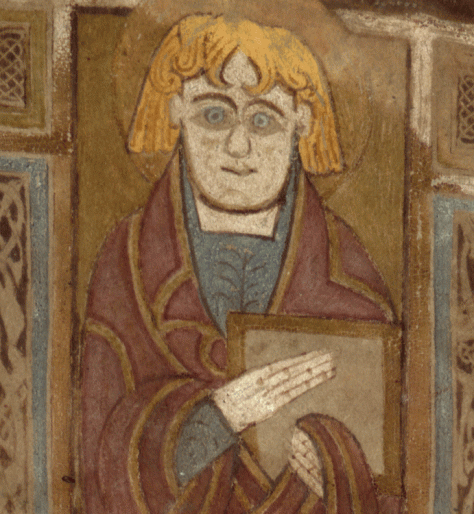
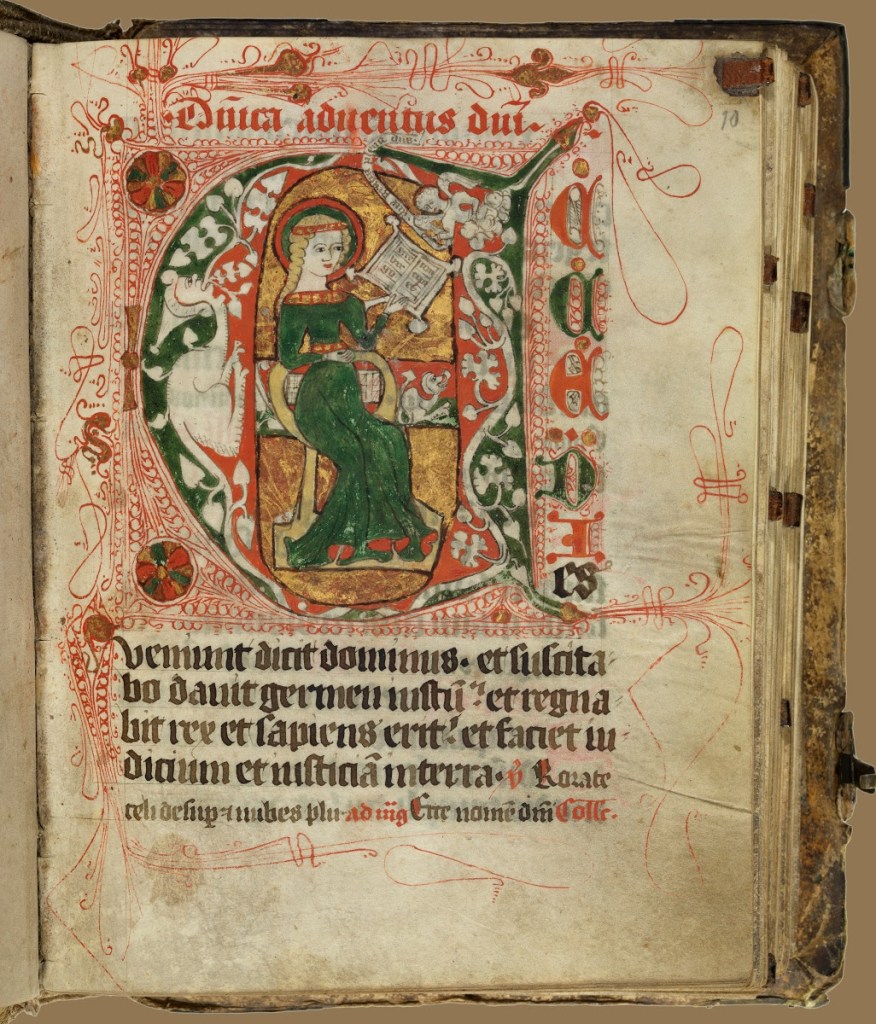
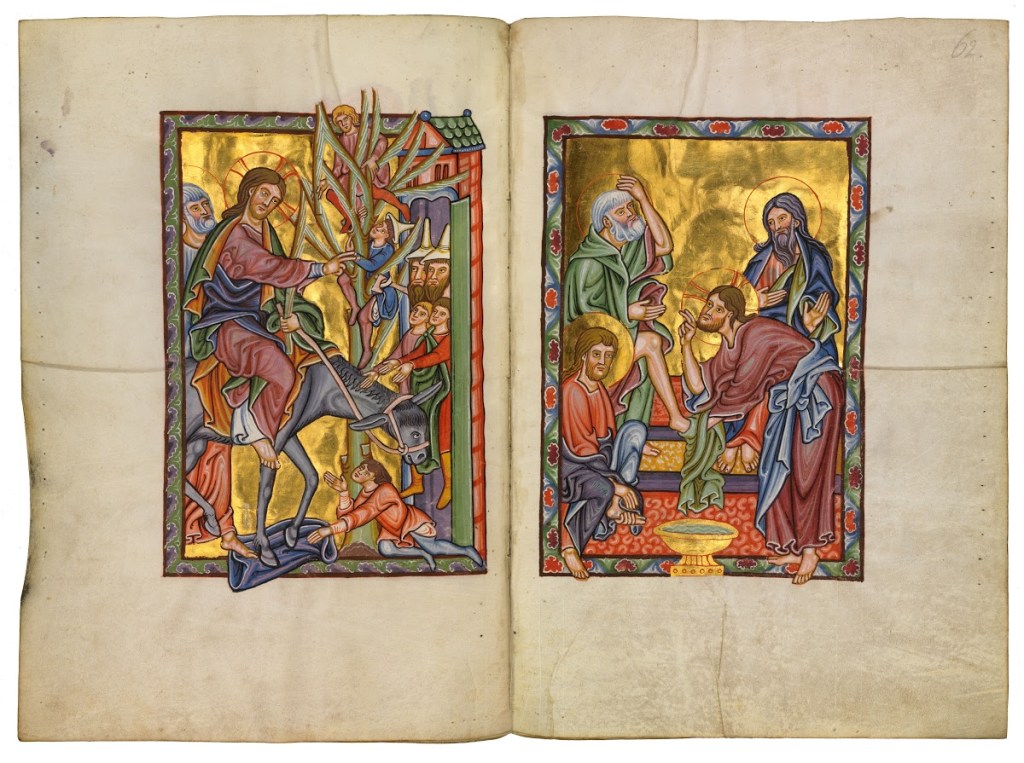
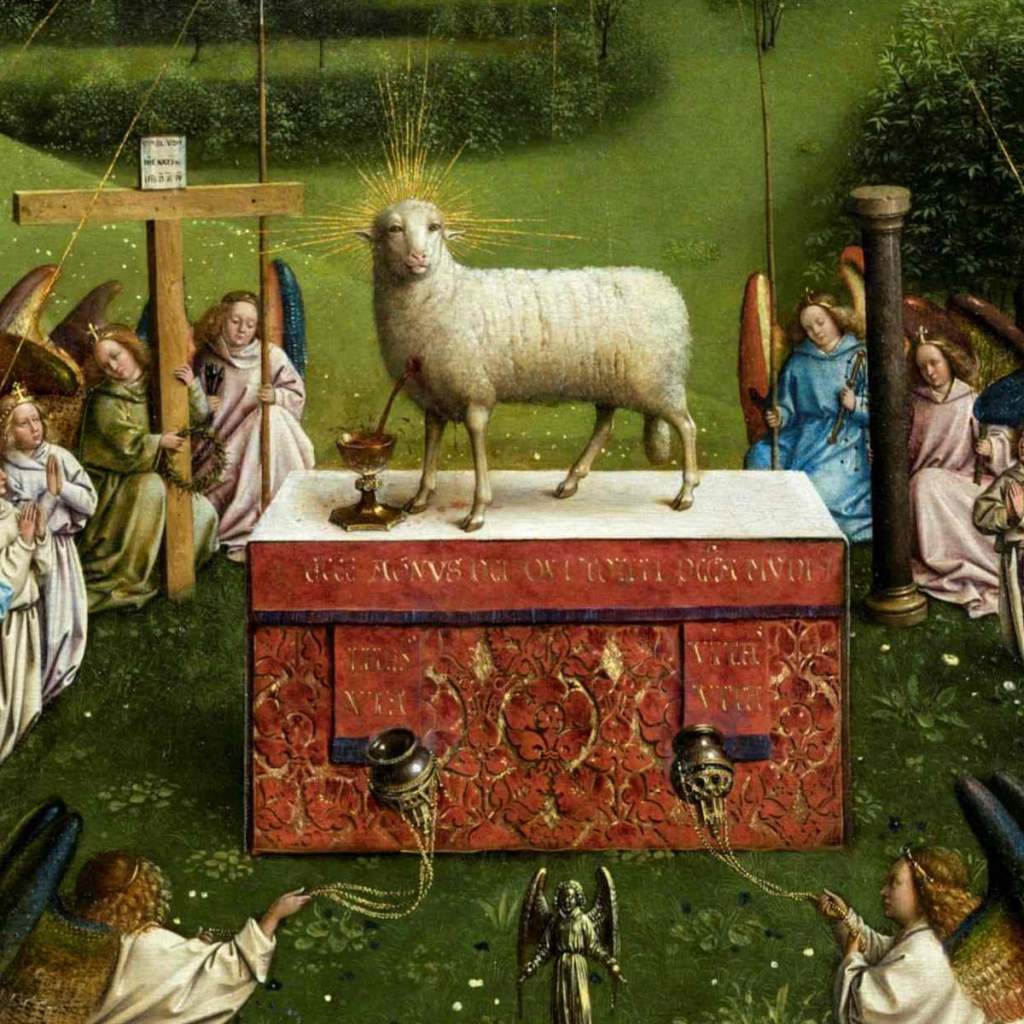
Colour and vibrancy are synonymous with medieval culture, never more so than in its surviving manuscripts and paintings. In this select mini series there will be a focus on three of the great treasures of the later period which will be first set in their context and then examined in some detail.
The Wilton Diptych c.1395 is a folding altarpiece that was almost certainly commissioned by King Richard II (1377-99). Richly executed with expensive pigments it is most obviously of religious significance but less obvious is its commentary on Christian kingship and the king’s ideas about his role.
The Très Riches Heures is a Book of Hours made for the wealthy Jean duke of Berry (d.1416). It is of the type of prayer book that was owned and used by laymen and women but its exquisite high quality images makes it probably the most famous and richest to survive, and combines both the sacred and the secular worlds
The Beauchamp Pageant c.1480 is a unique series of 50 uncoloured images recording the life of Richard Beauchamp earl of Warwick (d.1439), one of the greatest soldiers of the Hundred Years’ War. It was probably commissioned by his daughter Anne Neville, as an exemplar of knighthood for her young son, which raises questions about the reliability of the portrayal.
Week 2: 13 July – 17 July:
Illustrating Britain’s mythic origins Dr Amy Jeffs
In this talk, author and artist, Dr Amy Jeffs, will introduce word and image in relation to the mythic origins of Britain. Focusing largely on one 12th-century narrative, while travelling from manuscripts, through printed books and Stonehenge to her own artistic practice, she will ask how its illustrations have worked and what we might learn from them today. As an academic with an impulse to create (and in the knowledge that in this, she is far from alone), she will consider the compatibility of academic research and artistic creativity.
Courts and Palaces of the Renaissance Dr Sarah Pearson
The Courts and Palaces of Northern Italy provide a fascinating glimpse into the spread of Renaissance Art and Architecture, and of the huge variety in the tastes of patrons. When leading families commissioned artworks, it was to demonstrate their discrimination, erudition and also to distinguish themselves from their neighbours. This lecture examines the Courts of Mantua, Ferrara, Rimini and Urbino and considers how they employed art and architecture to promote their identity.
The riches of English medieval funerary art Professor Nigel Saul
Emeritus Professor of Medieval History, Royal Holloway, University of London
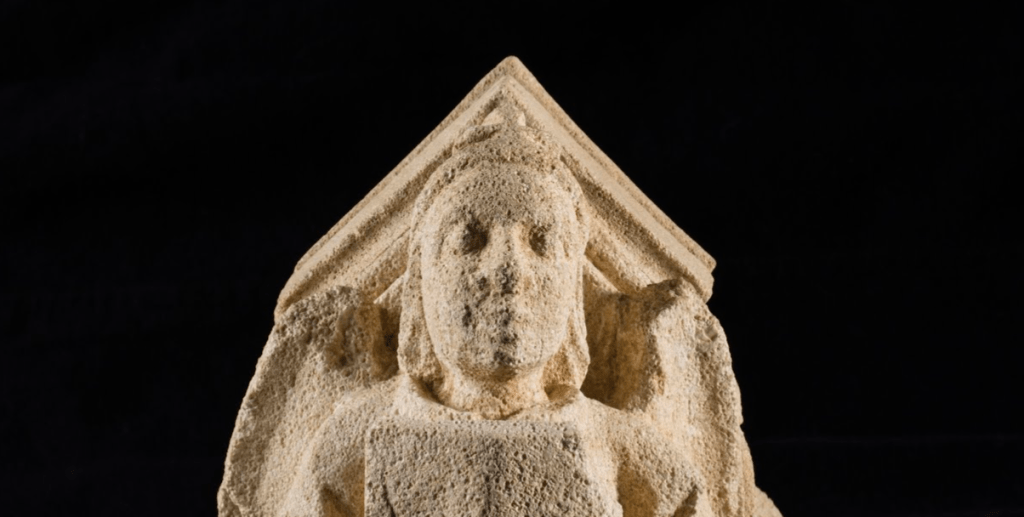
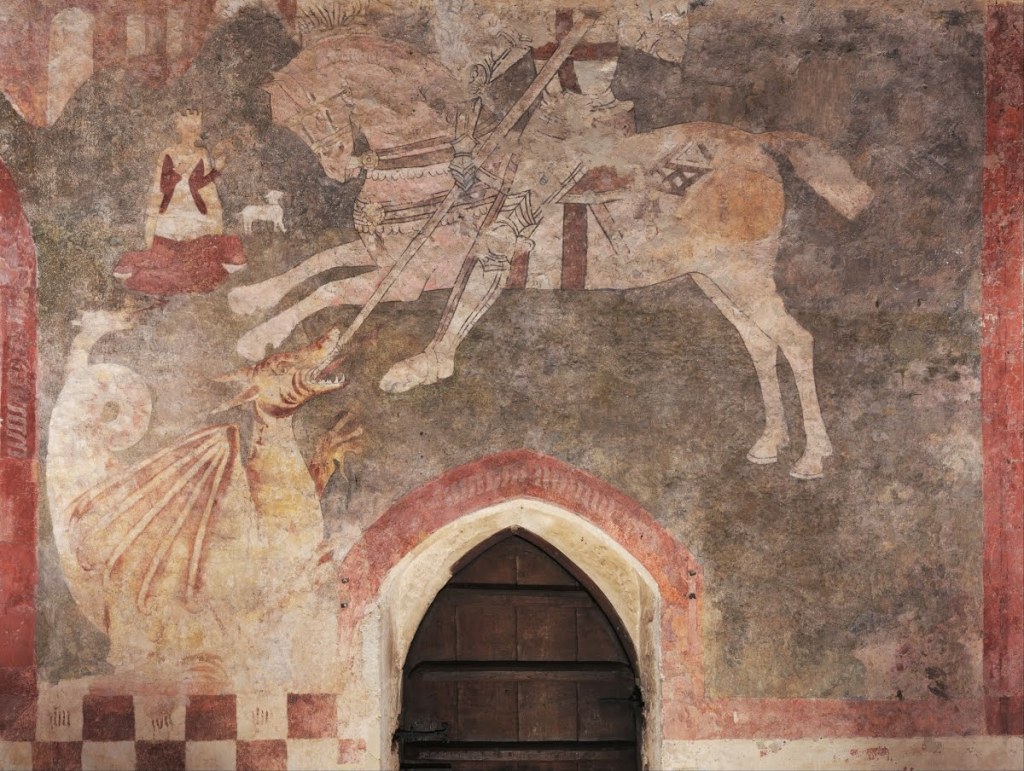
Among the many treasures to have come down to us from the Middle Ages are the tombs and brasses in our churches: the knights in their armour, the ladies in their fancy dresses. These monuments are often under-rated masterpieces, tributes to the sculptor’s art. They can be appreciated for their aesthetic and artistic merit; but they can also be interrogated for their historical interest. For the historian, they open a remarkable and perhaps unexpected window onto the medieval past.
Medieval craftsmen are often anonymous, unlike their more attention-seeking counterparts in the Renaissance. Are there any documentary sources that allow us to identify them by name? What can we learn about their trade, and how and where they operated?
Why were these monuments commissioned? It is easy to say they are all about the preservation of memory. But what did memory mean in the Middle Ages? A clue is afforded by the wording of so many of the inscriptions on them – pray for me: prayers for the soul. But, as we will see, considerations of status were involved too.
Some monuments were big and elaborate, others simple and small. All, however, were constructed so as to convey meaning. All were expected to evoke a response. How, then, are we to interpret them? Can we begin to understand the responses of people at the time?












 Medieval Art Research