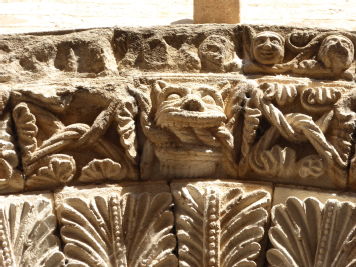
The construction of churches or church buildings is obviously as old as the dominance of Christianity in Western societies. The petrification of ecclesiastical wealth, however, implied a more recognisable and enduring presence for this institution throughout the medieval landscape, both urban and rural. The building of churches, and to a lesser extent monasteries, was also promoted by the laity. These were initiatives and investments that were partly religious in origin, in so far as they were ways to ensure the eternal salvation of the founders or of the community involved. The proliferation of masonry-built churches may also raise the question of other objectives of the secular world. Sometimes the laity invested in churches to provide a new, or at least a stronger, more formalised and more recognizable community identity.


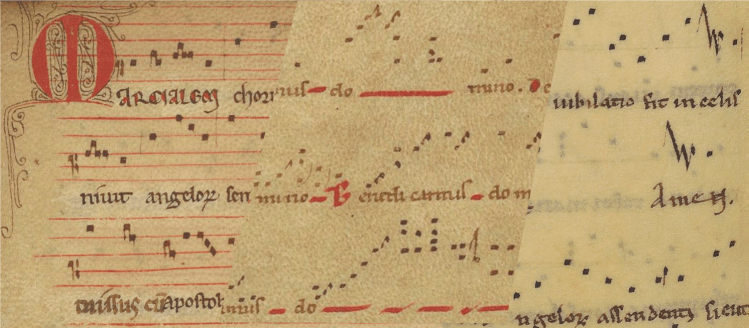 The manuscript Paris, BnF, lat. 1139 is a composite manuscript whose origins are not precisely known. It was preserved in the library of the abbey Saint-Martial de Limoges, one of the most prestigious book collections of the Middle Ages, since the mid-thirteenth century. The manuscript includes the first expressions of a new way of singing divine praise. These compositions do not so much break with older traditions as add to what already existed.
 June 4 – July 7, 2018
 Wednesday 14 February 2018
 King’s College London,
 Medieval Art Research