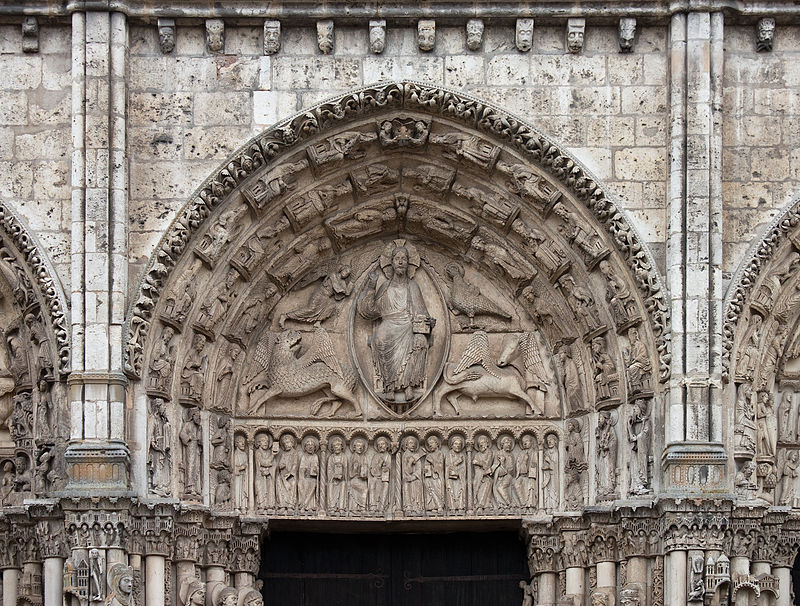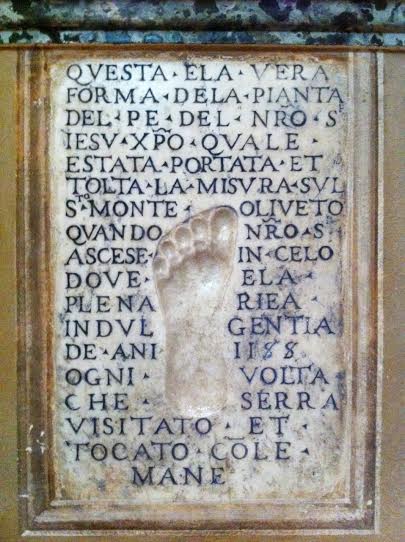
Lecture Emmanuele Lugli “Chasing Absence: The Body of Christ and the Measures to Enter in Touch with it” 17:00 13/02/2018 Birkbeck

The latest research, news, and reviews from the world of Medieval Art History


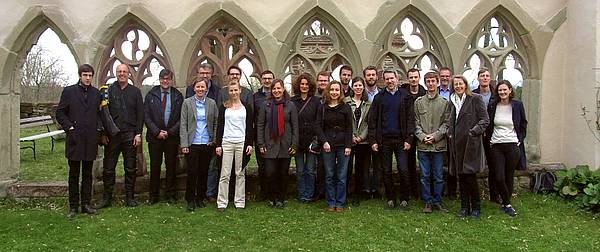
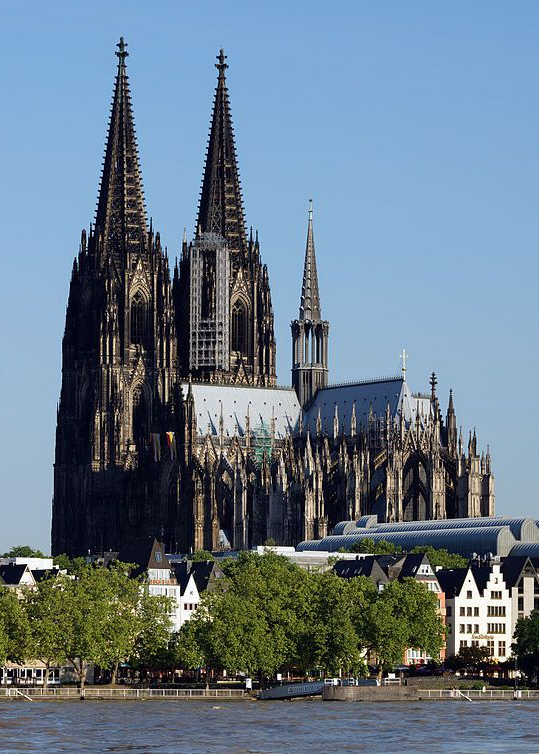
Wir freuen uns nach den vergangenen drei erfolgreichen Jahren im August 2018 zum 4. Interdisziplinären Doktorandenworkshop zu mittelalterlicher Sakralarchitektur einladen zu können. Im Zentrumdes Workshops sollen Fragen zu mittelalterlicher Sakralarchitektur, ihrer Entstehung, Gestaltung,Rezeption und Nutzung sowie der damit verbundenen ortsfesten und mobilen Ausstattung stehen. Im Fokus steht dabei ein interdisziplinärer Ansatz, der neue Blickwinkel auf Bauten des 9. bis 14. Jahrhunderts ermöglicht. Im Rahmen einer Klausurtagung erhalten 12 Teilnehmende die Möglichkeit,
ihre aktuellen Forschungsthemen vorzustellen und intensiv zu diskutieren.
Abseits von Tagungen etablierter Wissenschaftler bietet der institutionell unabhängige WorkshopNachwuchswissenschaftlern die Möglichkeit, sich unbefangen auszutauschen. Die Vielfalt der Fragestellungen unterschiedlicher Disziplinen und Wissenschaftskulturen ermöglicht einen Diskurs über aktuelle Problemstellungen der eigenen Forschungen, der von den individuellen Erfahrungen der Teilnehmenden profitiert. So wird der Blick nicht nur über den inhaltlichen, sondern auch über den
methodischen Tellerrand hinaus geweitet.
On Wednesday 24 January 2018 Lloyd de Beer and Naomi Speakman once again welcomed a group of staff and students from The Courtauld and elsewhere, as well as Sophie Kelly, PhD student from the University of Kent. The focus of our session was objects in the British Museum collection with links to the Trinity.
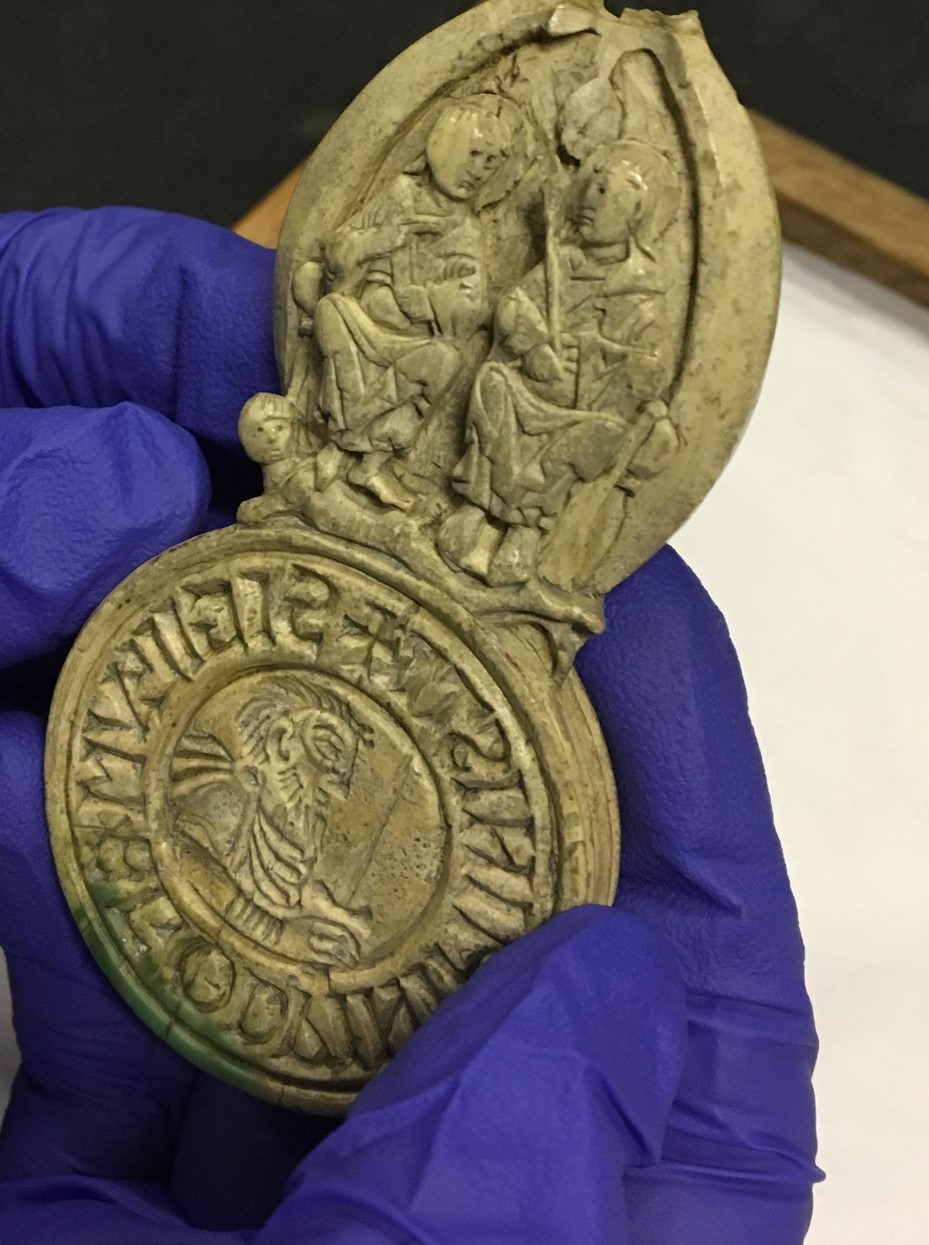
We looked at eleven objects with Trinitarian iconography, the earliest of which was the walrus ivory seal die of Godwin the Thane, dating from the early eleventh century. Beautifully carved with iconography inspired by Psalm 109 (110), ‘The Lord said unto my Lord: Sit thou at my right hand and I will make thine enemies thy footstool’. The decoration on the handle consists of God the Father and Son in relief, enthroned over a prostrate human figure. We were very interested to investigate the evidence of damage above the two figures which, we agreed, was likely to have once included a symbol of the Holy Ghost in the form of a dove.
The Trinity also features on a fourteenth-century circular bronze seal-matrix (with wax impression) with a loop at top. Here the Trinity is depicted as three near-identical figures with an inscription ‘SCA TRINITAS.VHVS.DEVS’. The third seal which we saw was the fifteenth-century circular bronze seal-matrix (with wax impression) of the Friars of the Holy Trinity, Hounslow. Under a Gothic canopy with side-tabernacles the Trinity is depicted in a manner which allowed us to discuss different ways of representing the Trinity in the Middle Ages. Here, the iconography known as the Throne of Grace (Gnadenstuhl), is used. In these depictions of the Trinity, God the Father is seated and holds the cross upon which Jesus Christ is crucified in front of his lap, with the dove of the Holy Spirit alongside. This iconography became popular from the thirteenth century and is seen across a wide range of artistic media, including manuscripts, stained glass and stone carving. The Trinity depicted as the Throne of Grace also appeared on a late Medieval gold finger ring. With the help of a magnifying glass we were able to appreciate the detailed depiction of the Trinity on the oval bezel of the ring, which included the dove which is shown between Christ’s right arm and God the Father.
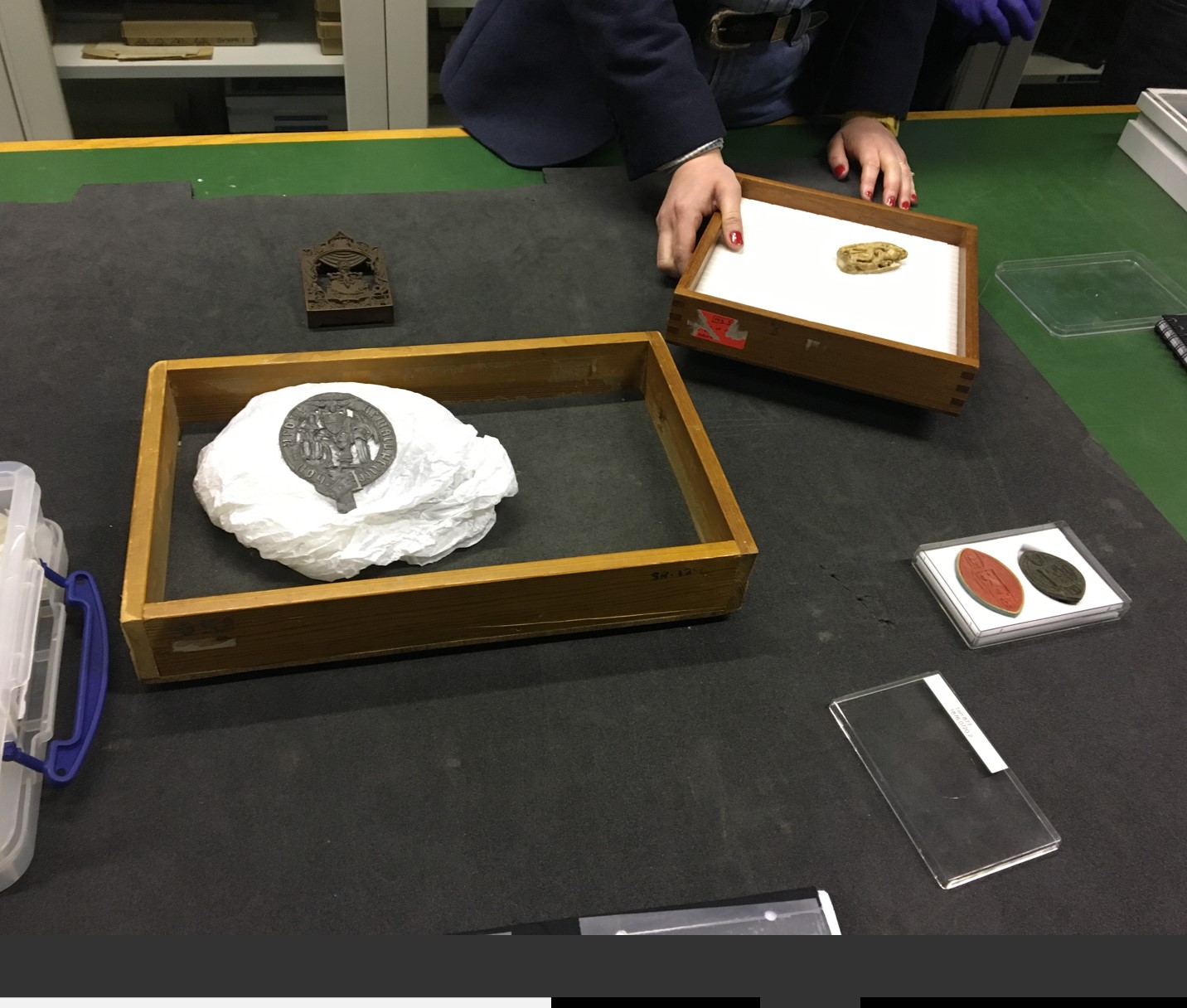
We discussed Plantagenet devotion to the Trinity evidenced through the lead Badge of the Black Prince of c.1376 which shows the Black Prince kneeling before Trinity (although the dove is missing). The Black Prince wears a tabard with Arms of England and has thrown down his gauntlet before him; above him is an angel in clouds holding his shield. We also looked at two Anglo-Saxon ivory plaques depicting the Crucifixion. Above the head of Christ, the Hand of God is depicted, thereby alerting us to the presence of two persons of the Trinity. This led to discussion related to how we might understand images where one of the member of the Trinity is ‘missing’; can the presence of the other person be implied?
An object which we all found challenging was a wood-carved relief representing the Trinity (also in the Throne of Mercy composition) dated 1450-1500 and including depictions of the Annunciation, St Francis of Assisi, St Bernardino and St Sebastian. The largest object encountered was a late Medieval alabaster Coronation of the Virgin which still shows traces of painting and gilding. Here the Virgin is surrounded by the persons of the Trinity represented as three crowned figures.
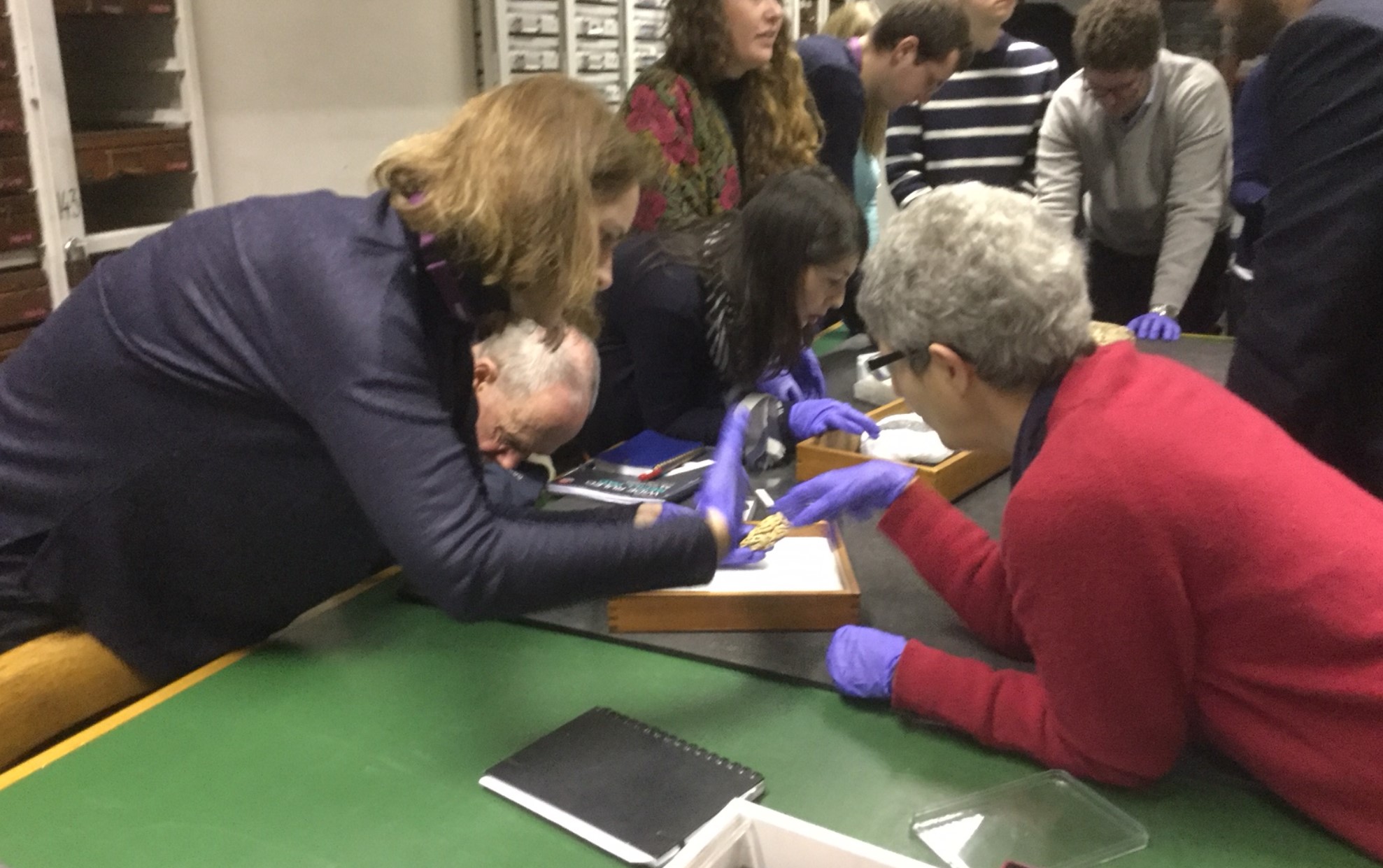
In preparation for the handling session we read the following texts and discussed them at a reading group the night before:
Bernard McGinn, ‘Theologians as Trinitarian Iconographers’, In: Jeffrey Hamburger and Anne-Marie Bouché The Mind’s Eye. Art and Theological Argument in the Middle Ages, Princeton, 2006, 186-207
André Grabar, ‘Dogmas Expressed in a Single Image’, In: Christian Iconography. A Study of its Origins, London, 1969, 112-127
Jacobus De Voragine, ‘The Holy Spirit’, In: The Golden Legend, Princeton, 1993, 299-306
We looked at the definition of the Trinity in The Oxford Dictionary of the Christian Church (Oxford, 1997), and were interested to explore the tension between theology and iconography. In particular, how can dogma such as the Trinity be represented? Grabar and McGinn have contrasting views on what constitutes ‘successful’ iconography; McGinn sees artistic experimentation and lack of iconographic stability as positives, whereas Grabar suggests that the fact an image appears in limited or isolated circumstances makes it a failure. To aid our discussions, we looked at some manuscript images of the Trinity. These included: British Library, MS Cotton Tiberius C vi (Tiberius Psalter); British Library, MS Cotton Titus D. xxvii (Ælfwine’s Prayerbook); British Library, MS Add. 34890 (Grimbald Gospels); British Library MS Cotton B IV (Aelfric’s Hexateuch); British Library, MS Harley 603 (Harley Psalter); MS Lansdowne 383 (the Shaftesbury Psalter); Winchester Bible, Winchester Cathedral; and St John’s College, Cambridge, MS K 26 (St John’s Psalter). We discussed the experimental nature of Trinitarian iconography and how this might help us understand the chancel wall painting of the Throne of Grace at the Church of St Mary, Houghton-on-the-Hill, Norfolk which is unique, and the earliest known appearance of this motif.

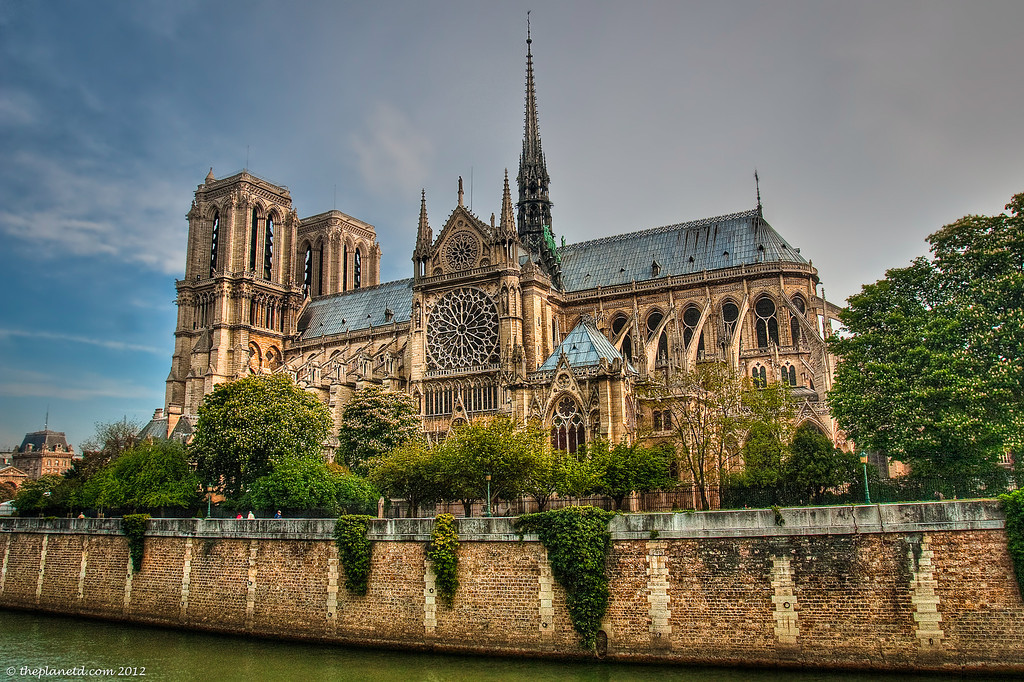
The construction of churches or church buildings is obviously as old as the dominance of Christianity in Western societies. The petrification of ecclesiastical wealth, however, implied a more recognisable and enduring presence for this institution throughout the medieval landscape, both urban and rural. The building of churches, and to a lesser extent monasteries, was also promoted by the laity. These were initiatives and investments that were partly religious in origin, in so far as they were ways to ensure the eternal salvation of the founders or of the community involved. The proliferation of masonry-built churches may also raise the question of other objectives of the secular world. Sometimes the laity invested in churches to provide a new, or at least a stronger, more formalised and more recognizable community identity.

We invite all postgraduates working on the Middle Ages and Early Modern periods to submit papers for and attend our 8th Annual Symposium at the University of Birmingham on Thursday 17th and Friday 18th May 2018.
This interdisciplinary 2-day event welcomes papers and/or images of research from History, Literature, Archaeology, Art-History and Music.
![]()
The Journal of Icon Studies is now accepting submissions for its second issue, scheduled for online publication in December 2018. We welcome contributions from scholars working across a wide disciplinary range, including art history, literature and film, religious studies, gender and cultural studies, history and anthropology, conservation and museum studies.
The Journal of Icon Studies is an online, peer-reviewed publication dedicated to the interdisciplinary study of icons around the globe, from the Byzantine period to the modern era. It serves as an international forum for new scholarship on the theoretical, theological and historical significance of icons, their place within a broad cultural and artistic context, as well as their conservation, collecting, and exhibiting. The journal includes reviews of books and exhibitions, archival discoveries, and translations of primary documents.
Continue reading “Call for Papers Journal of Icon Studies Deadline 01/06/2018”

The Cyprus Institute, with support through the Getty Foundation’s Connecting Art Histories initiative, is launching a new research seminar project: Mediterranean Palimpsests: Connecting the Art and Architectural Histories of Medieval and Early Modern Cities. Interested scholars at a formative stage of their careers are encouraged to apply for participation in the project’s three planned workshops in Nicosia, Cordoba/Granada and Thessaloniki/Rhodes.
Directed by Nikolas Bakirtzis (The Cyprus Institute) and D. Fairchild Ruggles (University of Illinois at Urbana-Champaign), the project investigates the layered art histories of medieval Mediterranean cities as the basis for scholarly connections that challenge and move beyond the boundaries of modern historiographies, national narratives and contemporary socioeconomic realities. Set in a region where issues of cultural heritage and identity are currently highly contested, the project looks at the material past to understand its relevance for the present and future. The project’s focus expands on collaborative research on historic Mediterranean cities pursued by the Cyprus Institute’s Science and Technology in Archaeology Research Center (STARC) and the Illinois’ National Center for Supercomputing Applications (NCSA) and the Department of Landscape Architecture of the University of Illinois at Urbana-Champaign.
The manuscript Paris, BnF, lat. 1139 is a composite manuscript whose origins are not precisely known. It was preserved in the library of the abbey Saint-Martial de Limoges, one of the most prestigious book collections of the Middle Ages, since the mid-thirteenth century. The manuscript includes the first expressions of a new way of singing divine praise. These compositions do not so much break with older traditions as add to what already existed.
The oldest and most important part of the manuscript (end of the 11th – the beginning of the 12th century) contains many festive chants: tropes, versified songs (versus and Benedicamus domino, so called nova cantica) troped epistles and liturgical dramas (ff. 32r-117r). Also added are votive offices for the BVM, notated in the thirteenth century (ff. 119r-148r), a full sequentiary dating from the end of the twelfth century (ff. 149r-228v), and parts of two other sequentiaries of the thirteenth century (f. 2r-20v). Throughout the manuscript, one can also find texts about liturgical practice and the daily life of the abbey (such as an inventory of altar ornaments, a list of the books in the library, and so on).
This conference is open to scholars from many disciplines (history, art history, history
of literature, musicology, philology, palaeography…) in order to tackle all the aspects of this complex manuscript.
June 4 – July 7, 2018
Deadline: May 27, 2018
Summer Seminars in Paleography and Archival Studies
Session I: 4 – 9 June 2018 / Deadline: 27 May 2018
Session II: 25 – 30 June 2018 / Deadline: 18 June 2018
Session III: 2 – 7 July 2018 / Deadline: 25 June 2018
The Medici Archive Project is pleased to announce the dates for the upcoming 2018 Summer seminars in paleography and archival studies: Session I (4-9 June), Session II (25-30 June) and Session III (2-7 July).
The principal aim of this seminar is to provide an introduction to Italian archives (with particular emphasis on Florentine archival collections); to examine in-depth various documentary typologies; to read diverse early modern scripts; and to learn how to plan research in Italian archives and libraries. Especially relevant for graduate students, university faculty, and museum curators working on Renaissance and early modern topics, this seminar is taught by a team of current and former MAP scholars, as well as university professors and other MAP-affiliated researchers. Participating students will be taught at the MAP headquarters at Palazzo Alberti in Via de’ Benci 10.
Continue reading “Summer Seminars in Paleography and Archival Studies”
Wednesday 14 February 2018
5:00 pm – 6:00 pm
Research Forum Seminar Room, The Courtauld Institute of Art, Somerset House, Strand, London, WC2R 0RN
Light in the Gothic period (twelfth and thirteenth centuries) has been the subject of numerous studies. These have drawn heavily on the writings of abbot Suger and focus particularly on stained glasses or liturgical objects. Aniconic polychromy is very rarely considered. This lecture will therefore explore the relationship between light and architectural polychromy. It will also consider the atmosphere and luminous identities generated by the use of local pigments.
Arnaud Timbert is Professor of Art History of the Middle Ages (University of Picardy Jules-Verne). He is a member of the Scientific Council of the International Stained Glass Center (CVMA). With the support of this institution, he sponsored a collective and interdisciplinary work on Chartres Cathedral (2014). He has also directed several works on materials and construction techniques (abbey church of Vézelay and Noyon cathedral) and restoration (castles of Pierrefonds and Pupetières). Whilst a fellow at the INHA (2015-2017) he also inaugurated a study of the historiography of architecture with a critical edition of the correspondence of Louis Grodecki (2018).