 Themenheft der Zeitschrift “Das Mittelalter. Perspektiven mediävistischer Forschung”:
“Theorien und Praktiken des Gebets im Mittelalter”
Das Gebet ist in nahezu allen sozialen Bereichen, Diskursen und medialen Formationen des Mittelalters präsent. Es organisiert einen wesentlichen Bereich der gesellschaftlichen Kommunikation als Kommunikation mit der jenseitigen Welt, überbrückt die Grenze von Diesseits und Jenseits, trägt zur Medialisierung von Heil und Gnade bei und besetzt eine ebenso zentrale wie voraussetzungsreiche Position innerhalb der religiösen Wirklichkeits- und Ordnungskonstruktionen der Zeit. Die Reichweite des Gebets ergibt sich nicht zuletzt daraus, dass es sich in unterschiedlichste Räume und Praktiken integrieren sowie mit vielfältigen materiellen Medien und Medienverbünden koppeln lässt.
Die historische Bedeutung des Gebets steht dabei in einem auffälligen Missverhältnis zu der geringen Aufmerksamkeit, die es innerhalb der mediävistischen Forschung erhält. Hier setzt das geplante Themenheft an: Es profiliert das Gebet als einen Gegenstand, dessen kulturgeschichtliche Relevanz erst noch zu erschließen ist. Gerade seine Ubiquität in der mittelalterlichen Gesellschaft spricht für ein gewinnbringendes und nur interdisziplinär durchführbares Forschungsprogramm. Ausgehend von theologischen, historischen, medien-, literatur- wie sprachwissenschaftlichen, musikwissenschaftlichen und kunstgeschichtlichen Fallstudien formuliert das geplante Heft Grundfragen und Desiderate einer interdisziplinären Gebetsforschung.
Um fächerübergreifend weiterführende Ansätze zu entwickeln, soll das Gebet im Spannungsfeld historischer Theorien und Praktiken verortet werden. Folgende Leitfragen dienen zur Orientierung:
– Wo liegen Schnittstellen von theologischen Theorien des Betens und gebetspraktischen Medien und Artefakten (z.B. Texten, Bildern, Musik, Gebetsketten) und wo liegen methodische Probleme und Grenzen der Übertragbarkeit?
– Wie unterscheidet sich das öffentlich-liturgische Gebet von der individuellen „Zwiesprache“ mit Gott? In welchen Konkurrenz- oder Komplementärverhältnissen stehen liturgische und private Gebetspraktiken und wie werden diese Verhältnisse theoretisch formuliert?
– Inwiefern reflektieren Gebetsmedien die kommunikativen Bedingungen der Gebetspraxis?
– Welchen Spannungen ist die Gebetspraxis im Kontext institutioneller Formen der Heilsvermittlung ausgesetzt (z. B. Buß- und Ablasswesen)?
– Auf welche Orte und räumlich-architektonischen Kontexte sind das Gebet und die Gebetspraxis bezogen?
– Welche historischen Semantiken, Typologisierungsansätze und begriffliche Abgrenzungsprobleme – z. B. von oratio und meditatio – sind in lateinischen und volkssprachlichen Gebetsdiskursen verbreitet?
– Wie verhalten sich die rhetorischen Strukturen mittelalterlicher Gebetstexte zu allgemeinen Theorien der Rhetorik und zu Rhetoriken des Gebets (z.B. Wilhelms von Auvergne Rhetorica divina)?
– In welchen intermedialen und transgenerischen Kontexten spielen Gebete eine Rolle?
– Welche historischen Beschreibungsmodelle für Stimme und Klang des Betens lassen sich rekonstruieren, und wie verhält sich psalmodierend oder in liedhafter Form praktiziertes Beten zum gesprochenen Gebet? Welche Aspekte ergeben sich bei mehrstimmig vorgetragenen Texten?
– Welche Appellstrukturen sind in Gebetsmedien angelegt, und wie lässt sich das Verhältnis von Gebetsmedium und Gebetsvollzug präzise beschreiben?
Das geplante Heft trägt dazu bei, den bislang vorwiegend einzeldisziplinär angelegten Zugriff auf das Gebet zu überwinden. Es soll die fächerübergreifenden Diskussionen um die Medialität des Heils im Mittelalter weiterentwickeln und genutzt werden, um geläufige Paradigmen zur spätmittelalterlichen Religiosität (z. B. Quantifizierung des Betens und ‚Gezählte Frömmigkeit‘) neu zu evaluieren. Während sich die historischen Forschungen innerhalb der verschiedenen Disziplinen dem Gebet bisher fast ausschließlich über das spezifische Überlieferungsmedium des Gebetbuchs genähert haben, wird das Heft in übergreifender Absicht Theorie und Praxis des Gebets in den Blick nehmen und neue synchron und diachron angelegte Forschungsperspektiven eröffnen, die auch Anschlussmöglichkeiten für kulturübergreifende Vergleiche herstellen sollen. Interreligiöse Perspektiven und Fallstudien aus dem Bereich der Judaistik, Byzantinistik, Islamwissenschaft und Islamischen Theologie sind besonders erwünscht.
Abstracts im Umfang von max. 4000 Zeichen (inkl. Leerzeichen) werden bis zum 30.4.2018 erbeten. Bitte senden Sie Ihre Vorschläge an Mirko Breitenstein: breitenstein@saw-leipzig.de und Christian Schmidt: christian.schmidt1@uni-goettingen.de.


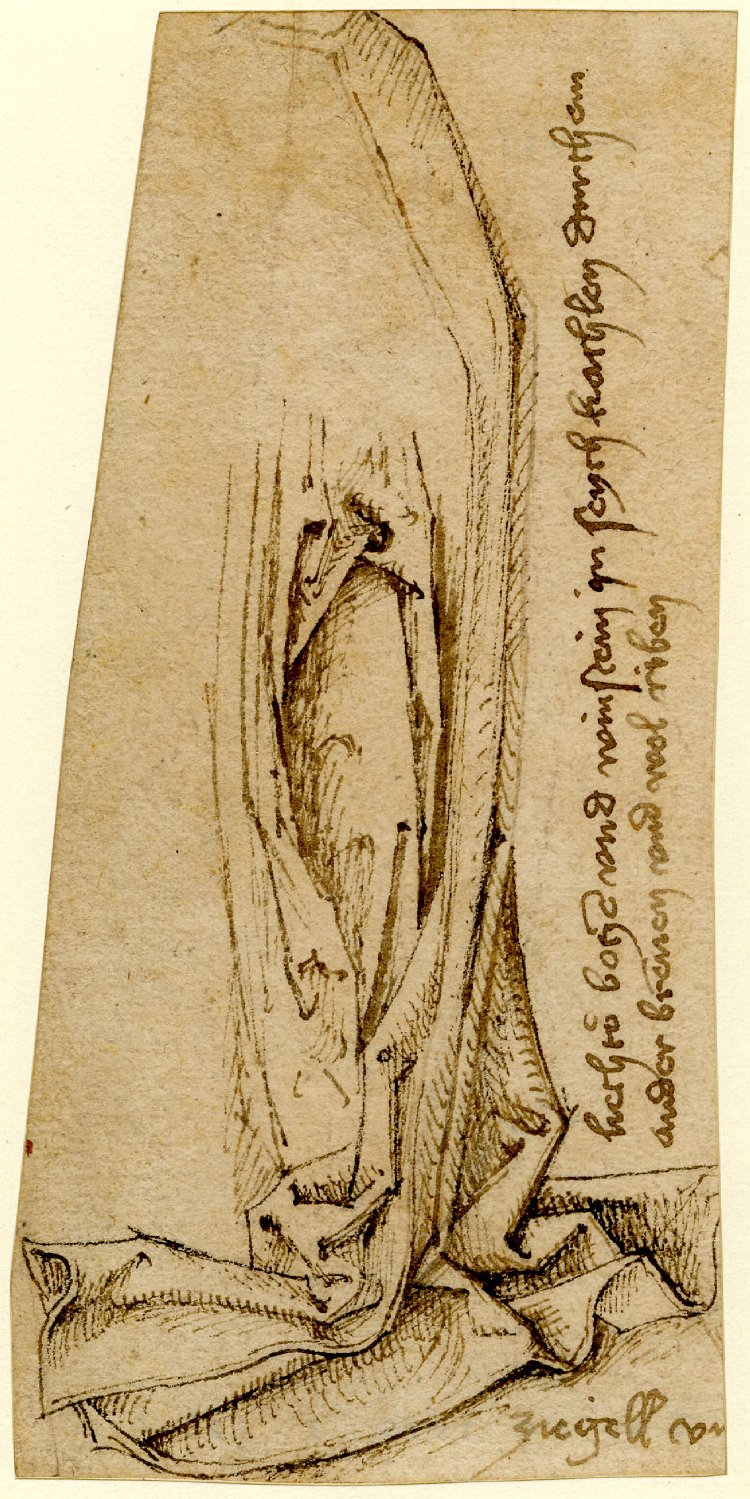 Das Werkstattgespräch wird sich inhaltlich mit Produktions- und Rezeptionsmechanismen innerhalb von Bildmedien des 15. und frühen 16. Jahrhunderts beschäftigen. Zentrales Thema ist der Prozess der Bildwerdung, also die Frage, wie die Idee und die inventio des Künstlers ins Bild übertragen werden und vor allem, wie sich dieser Übertragungsprozess im Bild nachvollziehen lässt. Dieser Frage wollen wir im Rahmen des Werkstattgesprächs nachgehen und dabei untersuchen, welchen besonderen Stellenwert die Künstler dem kreativen Schaffensprozess und dessen Sichtbarmachung einräumen.

 Gothic Arts: An Interdisciplinary Symposium
 Medieval Art Research