
This year’s annual meeting, originally planned to take place in Dublin at Trinity College on 1-2 September 2020, will do all of these things; due to the Covid-19 pandemic, however, it will do them online! We are introducing a series of virtual-friendly modifications to the CARMEN formats you are familiar with (or want to familiarize yourself with), and will be welcoming your input on how we can improve this format for a possible hybrid future, enabling people to participate in CARMEN’s international networks in new ways.
Author Archives: Roisin Astell
Resources: British Archaeological Association Online Lectures & More

Due to the pandemic, a number of the British Archaeological Association’s meetings and lectures have had to be cancelled. However, fear not, because the BAA have recorded their lectures and provided a fantastic resource sharing community. Check out what the BAA have digitally available.
New Publication & Call for Manuscripts: Eastern European Visual Culture and Byzantium (13th – 17th C.), edited by Maria Alessia Rossi & Alice Isabella Sullivan
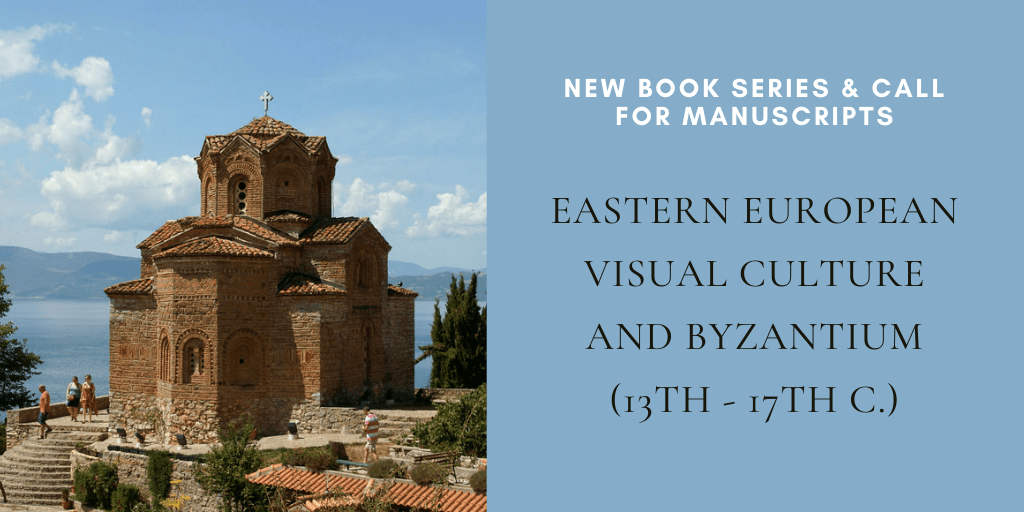
This series explores the art, architecture, and visual culture of regions of the Balkan Peninsula, the Carpathian Mountains, as well as early-modern Russia and Ruthenia between the thirteenth and seventeenth centuries. Through historically grounded examinations of the visual and cultural productions of these Eastern European territories, this series highlights the prismatic relationships between local traditions, the Byzantine heritage, and cultural forms adopted from other models.
Job: Digitisation and Digital Engagement Manager, The University of Edinburgh, Digital Library, deadline 24 July 2020 at 5pm

This is a great opportunity to join the University of Edinburgh to manage, lead and develop our digitisation service. You will explore new ways of increasing the proportion of the University’s Collections available online, manage outsourcing of digitisation, specialist in-house photography, and scanning/rapid digitisation work. The University has growing demand driving the transformation of analogueContinue reading “Job: Digitisation and Digital Engagement Manager, The University of Edinburgh, Digital Library, deadline 24 July 2020 at 5pm”
CFP: Dark Archives 20/20: A Conference on the Medieval Unread & Unreadable (8-10 September 2020), deadline 31 July 2020

Dark Archives 20/20 therefore invites researchers from around the world to address a basic question underscored by our current physical isolation: if we no longer have access to the original sources, only to (overwhelmingly digital) copies, what of the medieval do we still possess, and what more might we thereby uncover?
Fellowships: I Tatti Fellowship Application (2021-2022), deadline 15 October 2020

Fifteen I Tatti Residential Fellowships, each for twelve months, are available annually for post-doctoral research in any aspect of the Italian Renaissance, broadly understood historically to include the period from the 14th to the 17th century and geographically to include transnational dialogues between Italy and other cultures (e.g. Latin American, Mediterranean, African, Asian etc.). I Tatti offers FellowsContinue reading “Fellowships: I Tatti Fellowship Application (2021-2022), deadline 15 October 2020”
News: Canterbury Cathedral Free entry for all visitors – until Sunday 12 July 2020
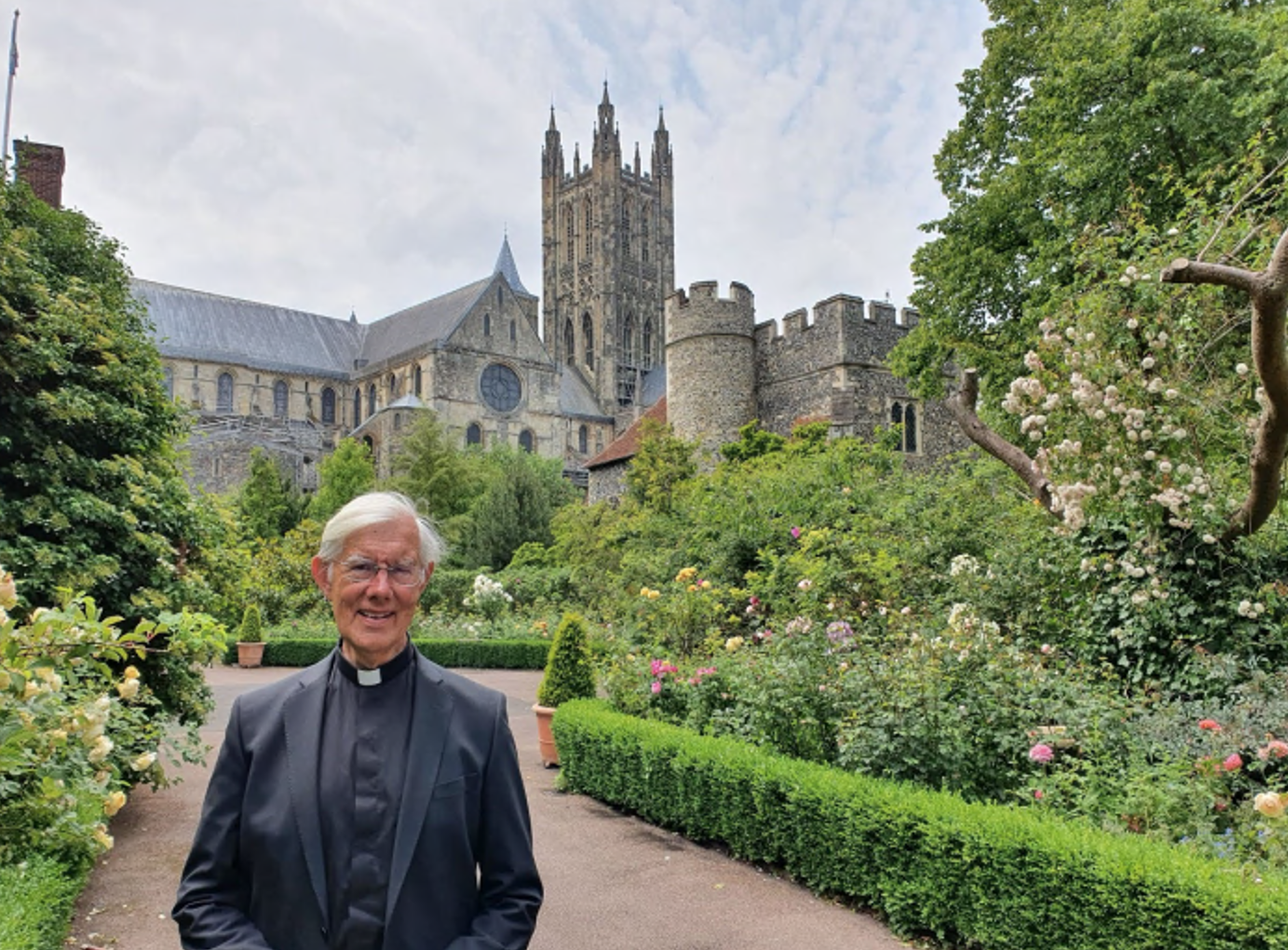
Canterbury Cathedral’s free entry to all visitors offer continues until Sunday 12 July, after this, kids go free with reduced prices for adults until 31 August. All tickets must be pre-booked online via our website. They’ve introduced a range of new safety measures to ensure your wellbeing, including one-way routes, enhanced cleaning regimes, hand sanitiser stations, distancedContinue reading “News: Canterbury Cathedral Free entry for all visitors – until Sunday 12 July 2020”
Sam Fogg: Object of the Week

Since the beginning of lock-down, Sam Fogg has been giving Medieval Art enthusiasts a glimpse into their expansive collection with their Object of the Week series. The wonderful team at Sam Fogg present a different fascinating object every Friday. You can check out the series over on their website, twitter and instragram! Here are aContinue reading “Sam Fogg: Object of the Week”
CFP: 8th Days of Justinian I, Skopje (November 13–14, 2020), deadline 10 August 2020
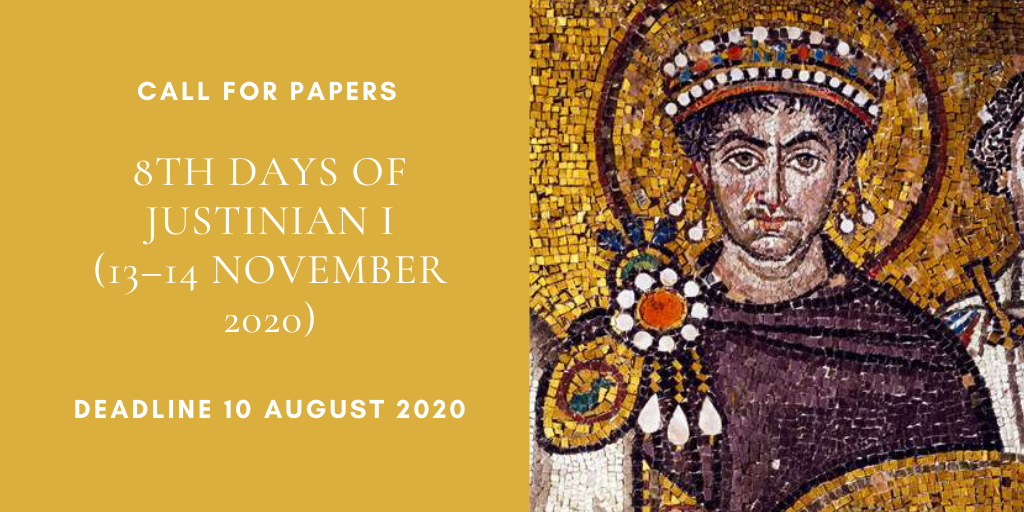
The International scientific symposium “Days of Justinian I” is an annual interdisciplinary scholarly forum aimed at the presentation of the latest research followed by discussions on various aspects of Byzantine and Medieval Studies before 1500; this includes the treatment and interpretation of cultural, historical and spiritual heritage in contemporary modern Europe.
Call for Session Proposals: 7th Cycle of Medieval Studies June 2021, NUME Research Group on Latin Middle Ages, deadline 4 October 2020

The goal is to offer a broad overview of the current situation of Italian and international medievalist studies. Issues which are related to many different aspects of the medieval period (V-XV century) can be addressed: history, philosophy, politics, literature, art, archeology, material culture, new technologies applied to medieval studies and so on.

