
Wolfson College invites applications for up to ten non-stipendiary Junior Research Fellowships under Title BI.
Author Archives: Roisin Astell
Online Exhibitions: Cambridge University Library
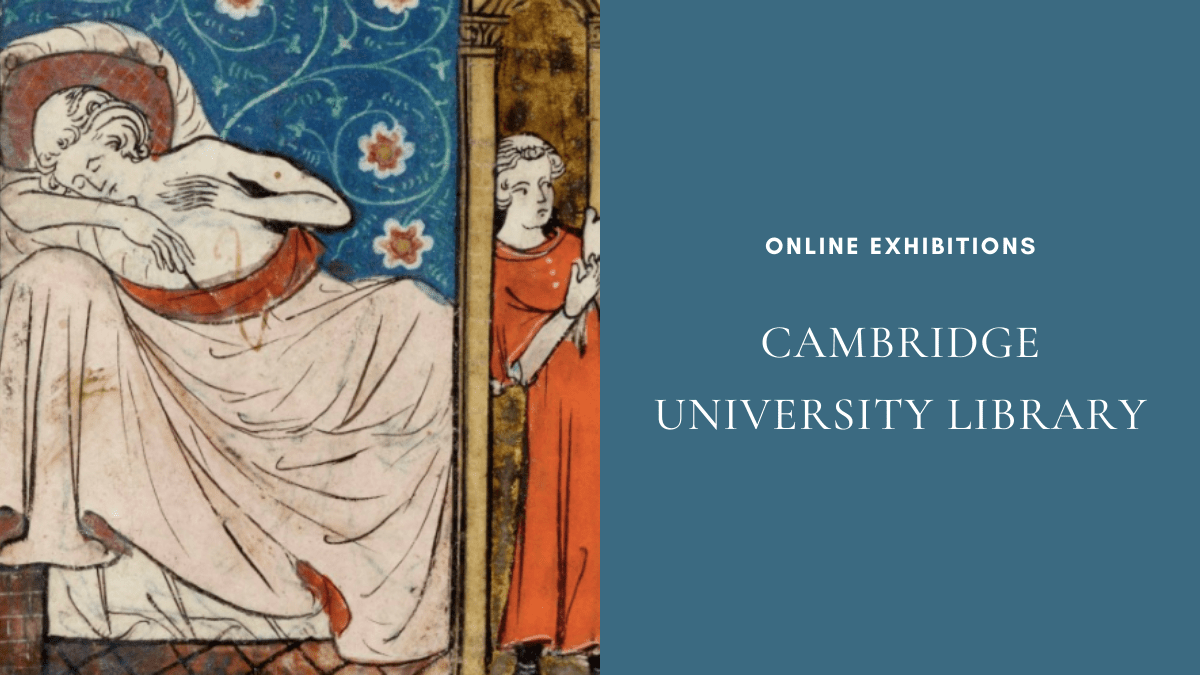
Cambridge University Library has a fantastic ‘online exhibition’ space, where you can virtually explore a number of their previous exhibitions. We’ve made a shortlist of those exhibitions that we think Medieval Art lovers will find most interesting!
Online Lecture Series: ICMA at the Courtauld Institute of Fine Art

While this year’s ICMA lecture at The Courtauld Institute of Art was unfortunately cancelled due to the COVID-19 crisis, recordings of past events (from 2014-2019) can be found in this post.
New Publication: The Book in the Cathedral: The Last Relic of Thomas Becket, by Christopher de Hamel
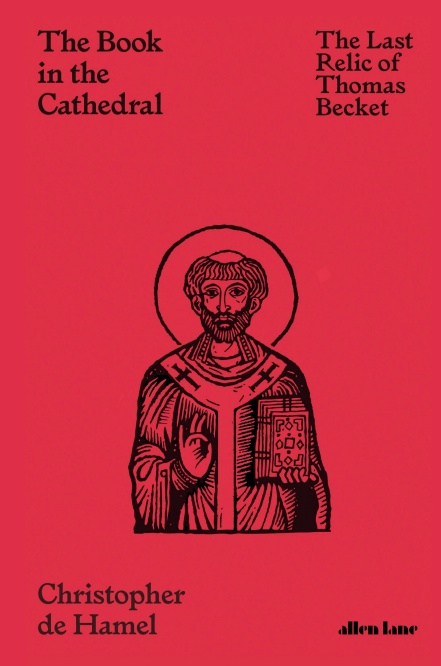
From the bestselling author of Meetings With Remarkable Manuscripts, a captivating account of the last surviving relic of Thomas Becket.
New Resource: Introducing Medieval Christianity

This site is a pilot version of a resource designed to introduce students to some key concepts in medieval Christianity. The goal is to provide short articles and other resources which will help undergraduates in their study of medieval culture and literature.
PhD Funding: PhD candidate in the ERC Consolidator project FEATHERS: Elizabeth I, Leiden University Centre for the Arts in Society, deadline 7 September 2020
The Leiden University Centre for the Arts in Society (LUCAS) invites applications for a PhD candidate in the ERC Consolidator project FEATHERS: Elizabeth I.
New Publication: Renaissance Meta-painting, Edited by Alexander Nagel and Péter Bokody
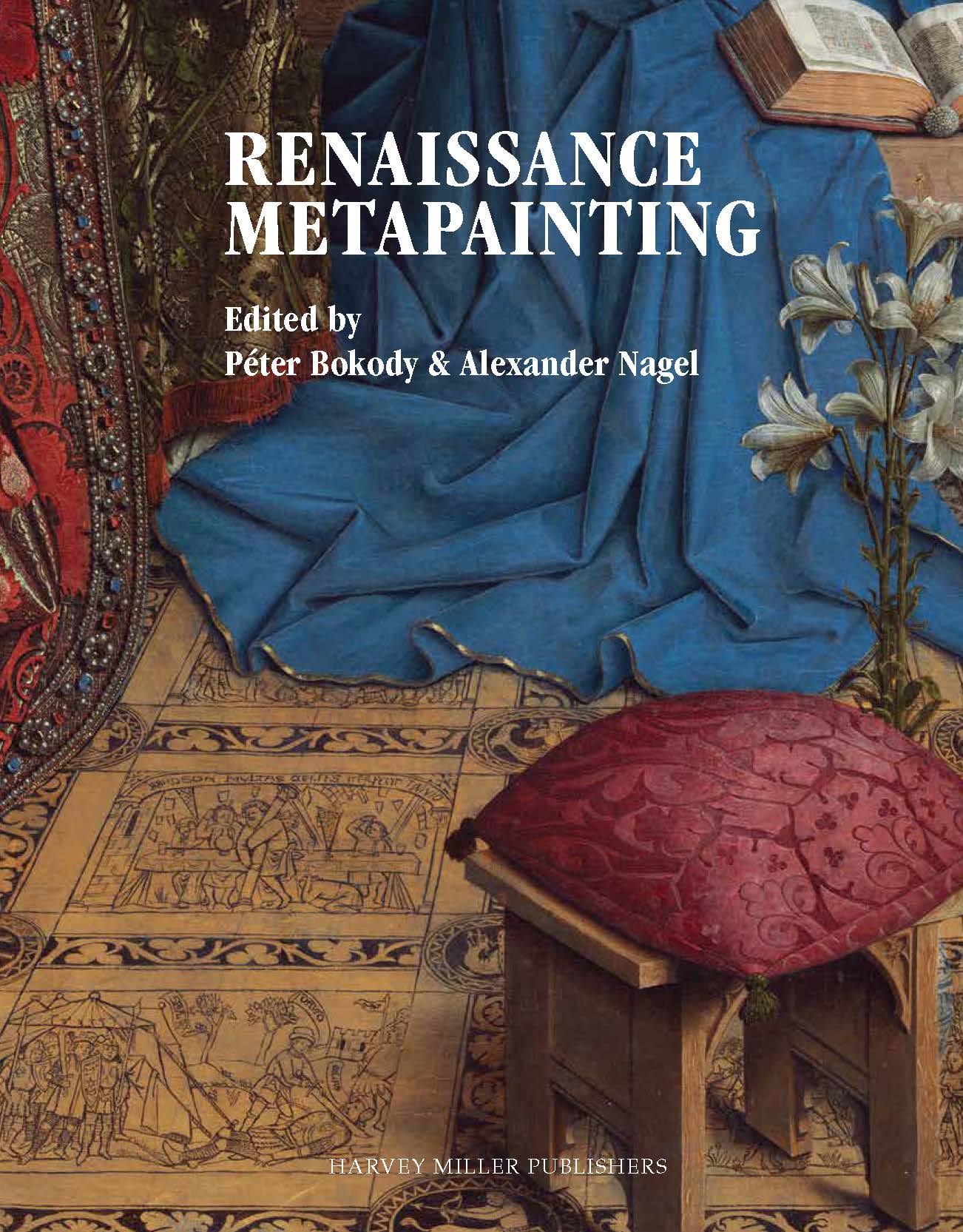
The volume offers an overview of metapictorial tendencies in book illumination, mural and panel painting during the Italian and Northern Renaissance. It examines visual forms of self-awareness in the changing context of Latin Christianity and claims the central role of the Renaissance in the establishment of the modern condition of art.
New Publication: Monsters and Monstrosity in Jewish History: From the Middle Ages to Modernity, edited by Iris Idelson-Shein and Christian Wiese

Drawing on Jewish history, literary studies, folklore, art history and the history of science, this book examines both the historical depiction of Jews as monsters and the creative use of monstrous beings in Jewish culture.
Online Lecture: The Maius Masterclass with Professor Susan Boynton, 31 July 2020 4pm

For our final event in the Maius Masterclass series, on Friday 31 July at 4pm, we are delighted to welcome Professor Susan Boynton (Columbia University). Susan’s research has focused on such topics as music in the Iberian peninsula, liturgy, manuscript studies, and intersections between music and the visual arts.
CFP: Jerusalem: The Holy City as Interreligious Experience (International Congress on Medieval Studies Kalamazoo 2021), deadline 15 September 2020
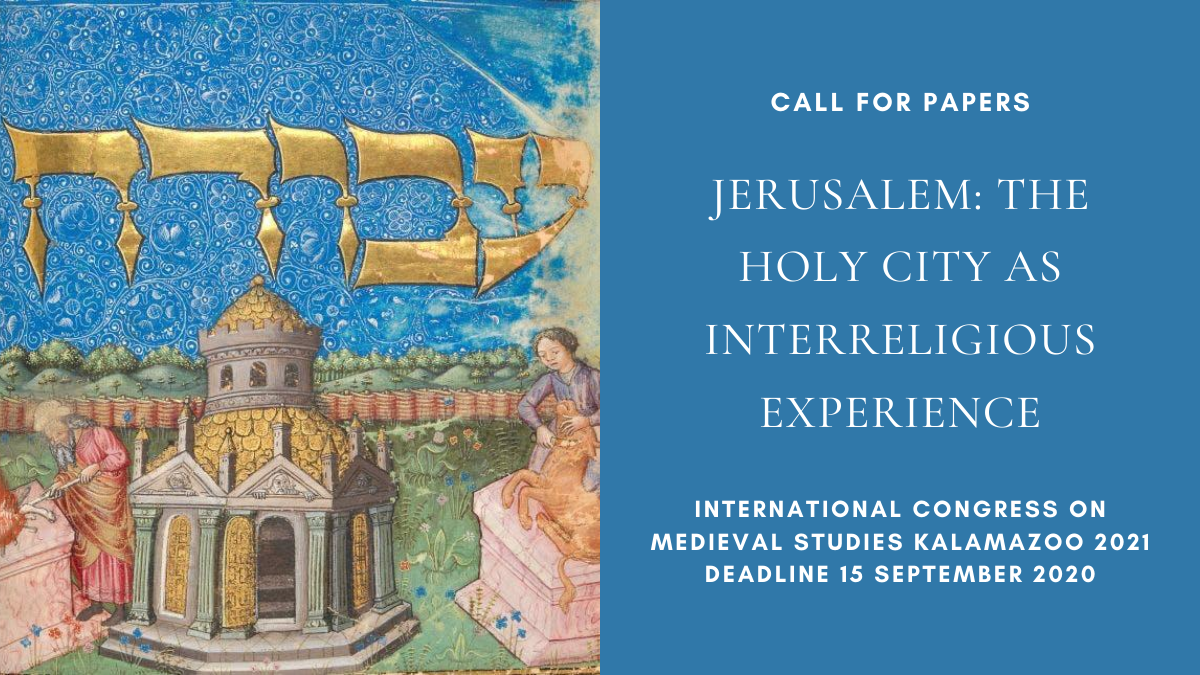
Sponsor: Center for Medieval and Early Modern Studies (CMEMS), Stanford University Co-Ordinator: Ana Núñez (ananunez@stanford.edu) This panel contributes to conversations that explore Jerusalem as a space of central importance to Jews, Christians, and Muslims. Through critical rereadings of textual accounts and material remains, the papers in this panel will highlight the dynamic ways in which JerusalemContinue reading “CFP: Jerusalem: The Holy City as Interreligious Experience (International Congress on Medieval Studies Kalamazoo 2021), deadline 15 September 2020”
 Medieval Art Research