
All lectures will be held at 5.15pm in the Gulbenkian Theatre, Canterbury Campus, University of Kent. Social distancing will be applied in seating.
Author Archives: Roisin Astell
Job: Tenure Track Assistant Professor in Art, Architecture, Material and/or Visual Culture, University of Chicago, deadline 15 October 2020

The Department of Art History at the University of Chicago invites applications for an appointment at the rank of assistant professor with an expected start date of July 1, 2021, or as soon as possible thereafter.
Call for Journal Submissions: Dominion of the Sacred: Image, Cartography, Knowledge of the City, deadline 1 October 2020
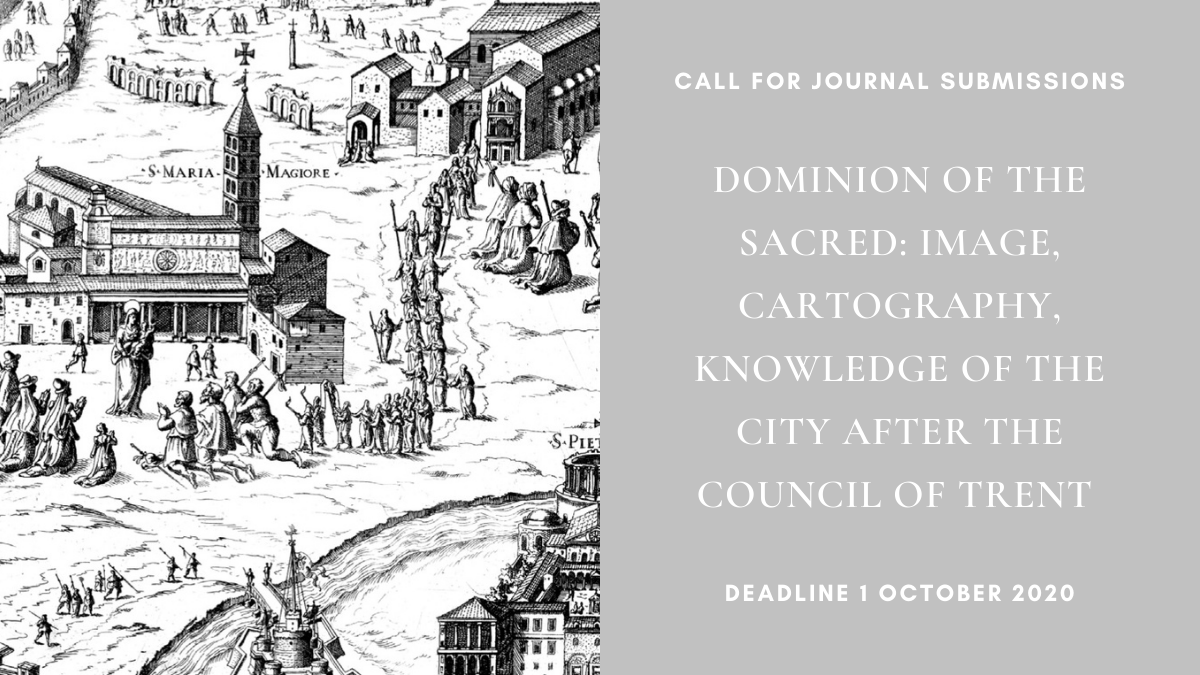
This issue of In_bo aims to shed new light on the many grey areas — within a relatively well-known research field — that have not been studied extensively yet: cities, magistracies, emblematic personalities; documentary, graphic and cartographic sources, either ignored in the past, or looking for a new interpretation; paradigmatic cases of urban images and their dissemination.
Virtual Book Launch: ‘From Granada to Berlin: The Alhambra Cupola’ by Anna McSweeney, Wednesday 30 September 6pm (GMT)
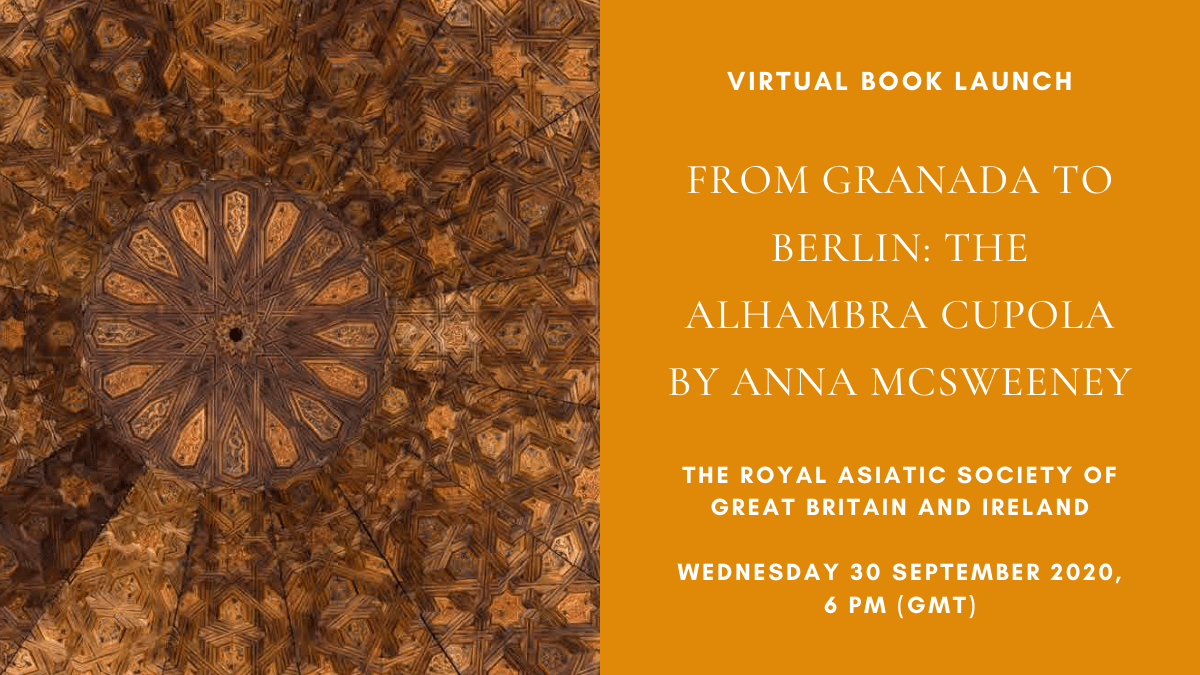
Presented by The Royal Asiatic Society, The Islamic Art Circle and the Friends of the Museum for Islamic Art in the Pergamon Museum.
Fellowships: I Tatti, The Harvard University Center for Italian Renaissance Studies in Florence, first deadline 15 October 2020

I Tatti, The Harvard University Center for Italian Renaissance Studies in Florence, Italy, warmly invites applications for the 2021-2022 academic year.
CFP: Connectivity, Transcultural Entanglements and the Power of Aesthetic Choices in Africa, Association for Art History’s Annual Conference 2021, deadline 19 October 2020

This session seeks to sound out ways of how to study connectivity, transcultural entanglements, and the role of and artistic responses to imported artefacts from 500 CE to the present-day in Africa without seeing Africans as passive beings ‘influenced’ by people and objects from afar.
CFP: Double-Sided Objects in the History of Art, College Art Association Annual Conference 2021, deadline 16 September 2020
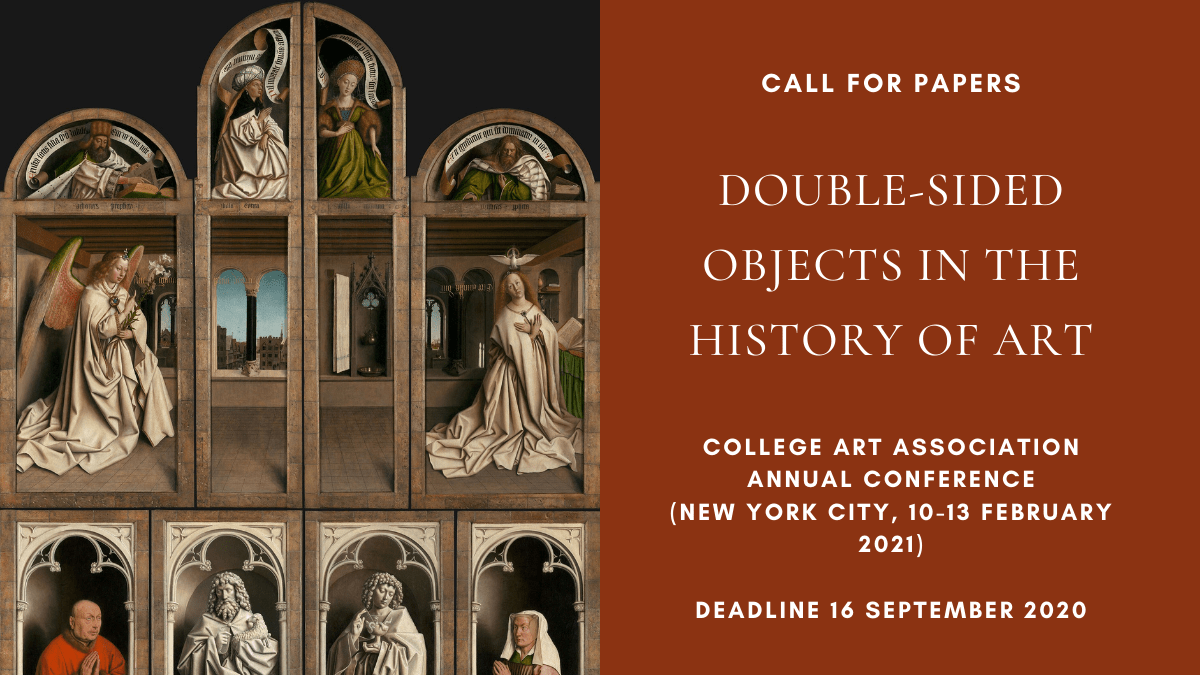
This panel seeks papers that consider the history and historiography of double-sided objects by attending to their many facets, whether “front” and “back,” oblique angles, or otherwise hidden images. We ask how more holistic approaches to works of art might complicate, or even confirm, long-standing art historical narratives.
Online Lecture: ‘Byzantine Pieces of an Umayyad Puzzle: A Basalt Platform in the Azraq Oasis’, Dr Alexander Brey, 1 October 2020, 4:00–5:00pm (ET)

In this lecture, Dr. Alexander Brey, Wellesley College, will discuss an Umayyad-era basalt reservoir platform built within the Azraq oasis in eastern Jordan and places its carved interlocking stones in conservation with early Byzantine zodiac and celestial diagrams.
New Publication: The Visualization of Knowledge in Medieval and Early Modern Europe, edited by Marcia Kupfer, Adam Cohen, and J. H. Chajes
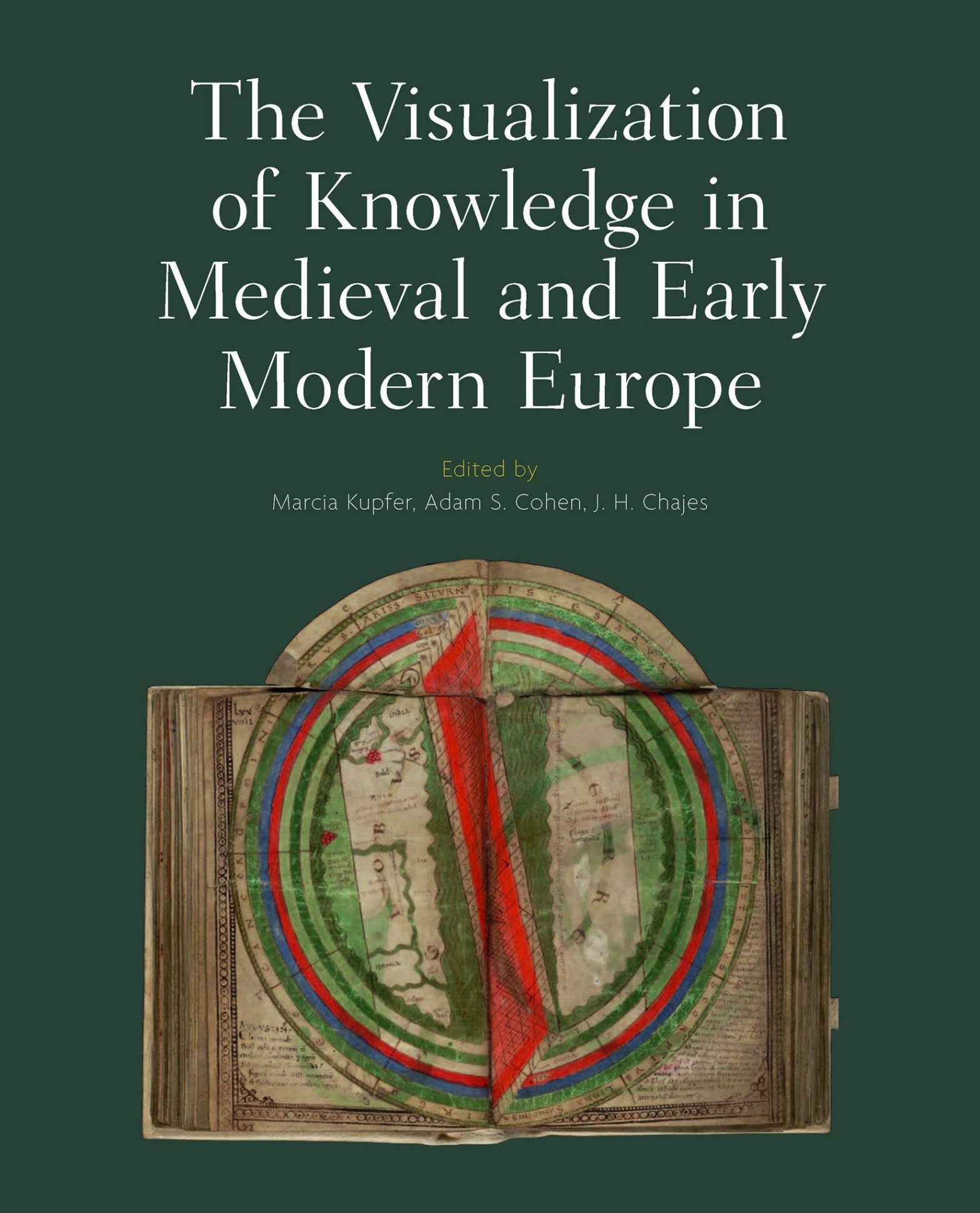
This collection of essays by leading scholars reflects new interest in how graphic devices contributed to the production of knowledge during a formative period of European history.
New Publication: The Library of the Dukes of Burgundy, edited by Bernard Bousmanne and Elena Savini
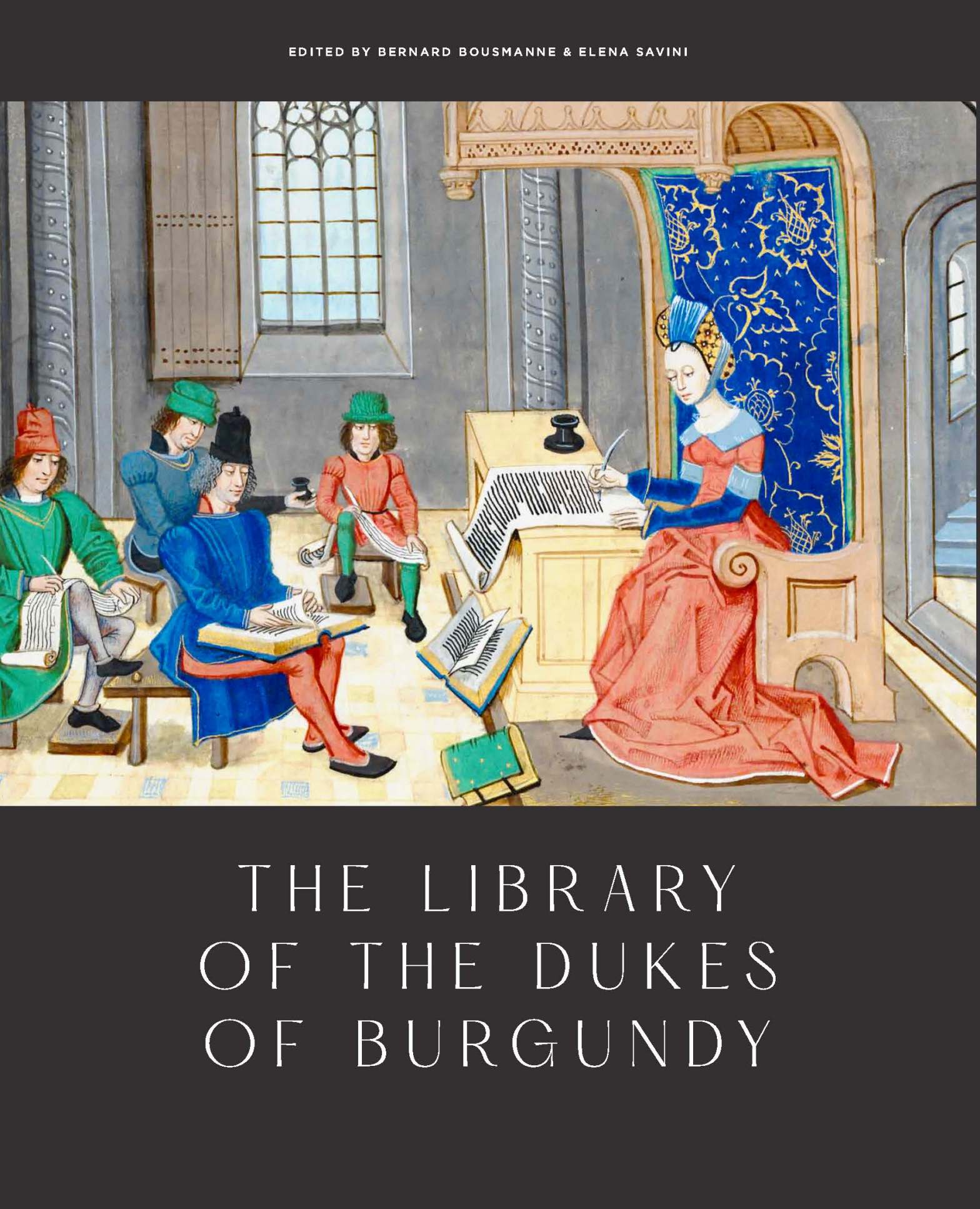
Very richly illustrated, this volume re-frames this exceptional library within its political, economic, historical and artistic context, examining closely both scholarly literature and more than sixty manuscripts considered to be the jewels of the Library.

