Conference: New Perspectives on Northern Renaissance Art (Mechelen & Leuven, 11-13 Jan 2017)

goldenes-zeitalter-1530-2Imaging Utopia: New Perspectives on Northern Renaissance Art (Mechelen & Leuven, 11-13 Jan 2017)

XXth Symposium for the Study of Underdrawing and Technology in Painting
Organized by Illuminare – Centre for the Study of Medieval Art (KU
Leuven)

For a full conference programme, visit <http://arthist.net/archive/13966>.

UCL History Day (15th November 2016)

historyday2016UCL History Day 

Tuesday 15th November at Senate House.

We will have an open history fair showcasing a broad range of libraries, archives and organisations (UCL Library Services will be represented!).  Also, there will be research clinics and panels on libraries, archives, digital resources and public history.

The intended audience is intended for postgraduate students and early career researchers, however, final year undergraduates should certainly find it informative and may make some useful contacts.

The event starts at 10am and ends at 4pm.  Coffee, tea and sandwiches will be served.

Interested parties should register at: Book your free ticket on Eventbrite

Lecture: ‘Guthlac on a Roll’: British Library, MS Harley Y.6 (20th October 2016)

guthlacYou are warmly invited to attend the inaugural lecture for the Digital Editing and the Medieval Manuscript Roll workshops in collaboration between UCL and Yale. More information about the series can be found here: https://digitalrollsandfragments.com/

 The lecture will be by Jane Roberts of the School of Advanced Studies and Institute of English Studies, entitled “‘Guthlac on a Roll’: British Library, MS Harley Y.6”

 The lecture will be in theUniversity College London Institute of Education (20 Bedford Way) Room 901 at 6pm, with a reception afterwards.

Conference: Artistic Dialogue during the Middle Ages (Cordoba, 18-19 Nov 2016)

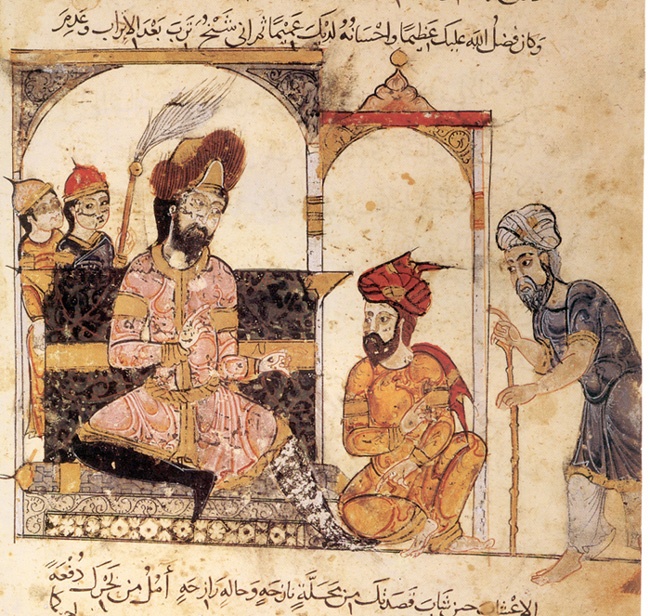
wlm14es_-_25072010_124643_f_9736_-_Artistic Dialogue during the Middle Ages. Islamic Art – Mudéjar Art
International Conference

Casa Árabe, Calle de Samuel de los Santos Gener, 9, 14003 Córdoba,
November 18 – 19, 2016
Registration deadline: Nov 13, 2016

Organized by: Prof. Dr. Alberto León (Universidad de Córdoba), Prof.
Dr. Francine Giese (University of Zurich), Casa Árabe de Córdoba

For programme see <http://arthist.net/archive/13944>.

Free admission
Registration open now:
http://www.transculturalstudies.ch/en/index/conferences/conference-cordoba/einschreibung.html

Symposium: ‘Cultural Encounters: Tensions and Polarities of Transmission from the Late Middle Ages to the Enlightenment’, 17th November 2016

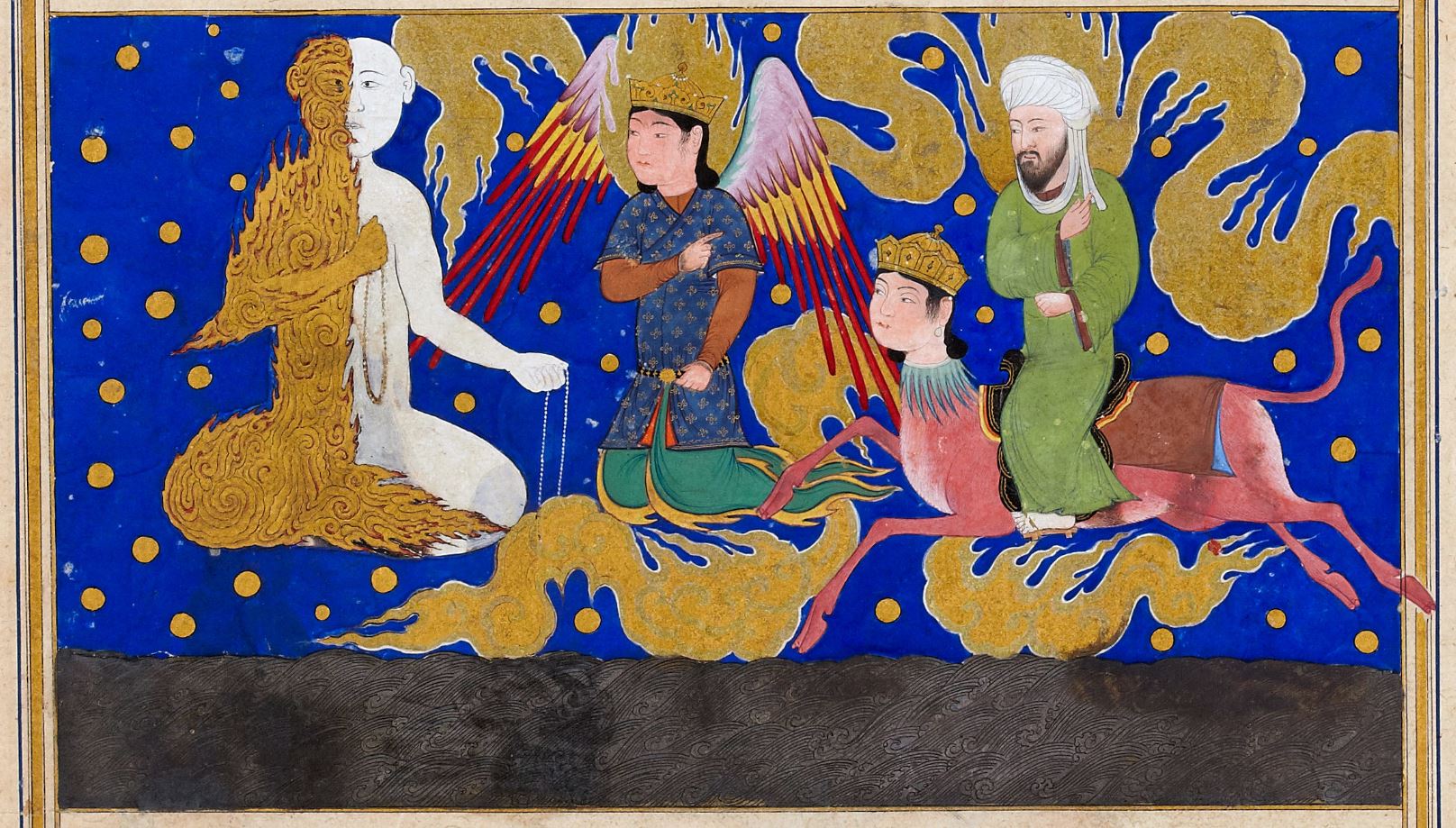
wolhandel1The Warburg Institute is hosting its first Postgraduate Symposium Cultural Encounters: Tensions and Polarities of Transmission from the Late Middle Ages to the Enlightenment on 17 November 2016.
The Symposium explores the concept of cultural encounters, focusing particularly on their productive outcomes and on the dynamics of cultural changes across time and space.
This multidisciplinary encounter covers topics that fall into the unique classification system of the Warburg Library: Image, Word, Orientation and Action.
The aim of the Symposium is to map the diverse and intricate forces which have driven cultural encounters in the past and which also help define contemporary societies. The main topics it addresses are: the degree to which productive outcomes can be seen as a conscious reception and reformulation of external ideas and models; the resistances to exchange and in what form this happened; and the long-term implications of such encounters and their outcomes.
Attendance is free of charge.
Pre-registration required: http://bit.ly/2diH3HN
For more information:

CfP: Workshop on Medieval Germany, German Historical Institute, Friday 5 May 2017

marriage-medieval-germanyWorkshop on Medieval Germany, German Historical Institute, 17 Bloomsbury Square, London, WC1A 2NJ, Friday 5 May 2017

Organised by the German Historical Institute London in co-operation with the German Historical Institute Washington and the German History Society, to be held at the GHIL

Deadline: Monday 9 January 2017


A one-day workshop on Medieval Germany will be held at the German Historical Institute, Bloomsbury Square, London, on Friday 5 May 2017. It will provide an opportunity for researchers in the field from the UK, continental Europe, and the USA to meet in a relaxed and friendly setting and to learn more about each other’s work. Proposals for short papers are invited from researchers at all career stages with an interest in any aspect of the history of medieval Germany (generously defined). Papers should be 10-15 minutes in length, and will be followed by discussion. Contributors are encouraged to concentrate upon introducing current work in progress, focusing on research questions, approaches, and still-unresolved problems.

Attendance is also warmly invited from anyone with an interest in medieval German history wishing to hear the papers and participate in the discussion. Further details of times and programme will be posted in due course.

The workshop is sponsored by the German History Society and the German Historical Institute London in cooperation with the GHI Washington. Participation is free, including lunch. However, participants will have to bear costs for travel and accommodation themselves.

Doctoral students from North America (USA and Canada) who wish to present at the workshop can apply for two travel funding grants provided by the GHI Washington. Please indicate your interest in this grant in your application.

Support for postgraduate and early career researchers from the United Kingdom and The Republic of Ireland is available on a competitive basis, subject to eligibility requirements. Postgraduate members of the German History Society currently registered for a higher degree at a university in the United Kingdom or the Republic of Ireland, and those who have completed a PhD within two years of the deadline for application but who have no other institutional sources of funding may apply for up to £150 for travel and accommodation expenses. Please see the GHS website (http://www.germanhistorysociety.org/postgraduates/) for further information and application deadlines.

Please send proposals (title and ca. 200-word abstract), by Monday 9 January 2017, to Dr Cornelia Linde at the German Historical Institute: (linde@ghil.ac.uk)

Informal inquiries regarding all aspects of the workshop should be sent to Len Scales (l.e.scales@durham.ac.uk)

All students and academic researchers interested in medieval German history are very welcome to attend. There is no charge for attendance but due to limited space booking is essential. Please RSVP to Carole Sterckx: sterckx@ghil.ac.uk

Seminar: Medieval Textiles: Meaning and Materiality, 25th November 2016

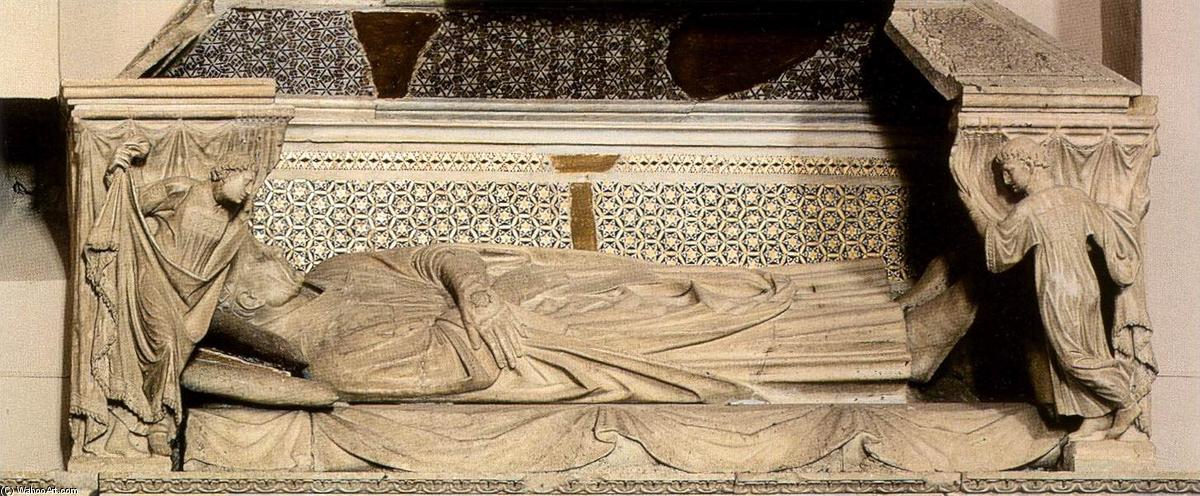
jacobusBirkbeck Medieval Seminar: Medieval Textiles: Meaning and Materiality

On the occasion of the V&A Museum’s unprecedented exhibition of opus anglicanum, this one-day interdisciplinary conference brings together leading and emerging scholars working on questions of meaning and materiality in medieval textiles, both real and imaginary.


The conference is organised by Birkbeck Medieval Seminar and the History of Art Department with support of the Murray Bequest. The programme, and details of how to book can be found at: https://medtex.eventbrite.co.uk

Friday 25th November, 2016, 10.00am -5.00pm.

Birkbeck, University of London, Room 101, 30 Russell Square, London WC1B 5DT

Seminar: Flemish Manuscript Illumination and Antwerp Mannerism, 12 October 2016

jacquesdelalaing-600x600Joint Renaissance Medieval Work in Progress Seminar:  Flemish Manuscript Illumination and Antwerp Mannerism

The Courtauld Institute of Art, Somerset House, Strand, London

Wednesday 12 October 2016
  5:00 pm – 6:30 pm

Research Forum seminar room, The Courtauld Institute of Art, Somerset House, Strand, London, WC2R 0RN

Speaker  Dr Elizabeth Morrison: Senior Curator of Manuscripts J. Paul Getty Museum, Los Angeles

Although it has been well established that Flemish manuscript illumination of the sixteenth century was deeply entwined with the art of panel painting, most studies have heretofore largely considered individual artists or looked at the cross-over of particular instances of iconography. The recent acquisition by the J. Paul Getty Museum of a magnificent manuscript of the Livre des fais de Jacques de Lalaing opens new avenues of research into the concept of overall stylistic borrowings between the two media. The manuscript’s miniatures are the work of an unknown artist who was deeply influenced by the work of the so-called “Antwerp Mannerists” in terms of style and the integration of well-known tropes, but also artfully combined with established elements associated with vernacular manuscript painting of the period. This paper will consider how this artist, whose work has been identified in a handful of manuscripts, creates an innovative fusion between the arts of manuscript and panel painting, taking astute advantage of the possibilities offered by both.

New Publications: The Epiphany of Hieronymus Bosch, by D.H. Strickland

The Epiphany of Hieronymus Bosch: Imagining Antichrist and Others from the Middle Ages to the Reformation, by D.H. Strickland

This study examines medieval Christian views of non-Christians and their changing political and theological significance as revealed in late-medieval and early-modern visual culture. Taking as her point of departure Hieronymus Bosch’s famous Epiphany triptych housed in the Prado Museum in Madrid, the author analyzes how representations of Jews, Saracens (later Turks), ‘Ethiopians’, and Mongols for centuries shaped western Christian attitudes towards salvation history, contemporary political conflicts, and the declining status of the Roman Church. She argues that Bosch’s innovative pictorial warning of the coming of Antichrist and the threat posed by non-Christians gained its power and authority through inter-visual references to the medieval past. Before and after Bosch, imaginative constructions that identified Jews and Turks with Gog and Magog, or the Pope with Antichrist, drew upon a long-established range of artistic and rhetorical strategies that artists and authors reconfigured as changing political circumstances demanded. Painted at a pivotal moment on the eve of the Reformation, the Prado Epiphany is a compelling lens through which to look backwards to the Middle Ages, and forwards to Martin Luther and the ideological significance of escalating Christian/non-Christian conflicts in the formation of the new Protestant church.

New Publications: Jan de Beer, Gothic Renewal in Renaissance Antwerp

mef_9Jan de Beer, Gothic Renewal in Renaissance Antwerp

Author: D. Ewing

Brepols Publishers

The first published monograph on the Antwerp painter Jan de Beer (c.1475-1527 /28), with an oeuvre catalogue.

The Antwerp painter Jan de Beer (c.1475-1527/28) was highly esteemed in his lifetime and still famous forty years after his death, but then fell into oblivion until the early twentieth century. This monograph is the first published, comprehensive study of his art and career. Its biography is the result of a thorough search of the archives and includes a recently discovered teaching contract with Lieven van Male of Ghent. All documents are fully transcribed, including documents for the artist’s painter-son, Aert de Beer (c.1508-1538/40). Results from technical studies of the artist’s work, including underdrawings and dendrochronological dating, are incorporated throughout the book.

The artist’s surviving oeuvre consists of forty works, mainly devotional paintings and triptychs but also a dozen drawings and a stained glass window in Antwerp Cathedral after a lost design. De Beer’s stylish, elegant art exerted a powerful appeal upon the buying public, churches abroad, and copyists. His lost Adoration of the Magi was the best-selling painting design in Antwerp at the time. De Beer is further important as one of only two Antwerp artists of his generation for whom a significant body of drawings exists. The catalogue of paintings and drawings by the artist and his workshop, including the numerous copies and variants, comes to over 170 works.

De Beer’s art is typically associated with the work of the Antwerp Mannerists, a prominent group of painters active in the city during his lifetime. This study argues that De Beer’s work, plus that of the Mannerists and the city’s retable carvers, should be understood as a novel, modern expression of late Gothic art, a sixteenth-century renewal of the Gothic mode that was also manifested in contemporary architecture, calligraphy, music and poetry.