
Check out the upcoming fall 2021 lecture series ‘Robert Branner Forum for Medieval Art’ at Columbia University. All talks will take place online.
Author Archives: Roisin Astell
Autumn lecture series: IHR Seminar Medieval Europe 1150–1550
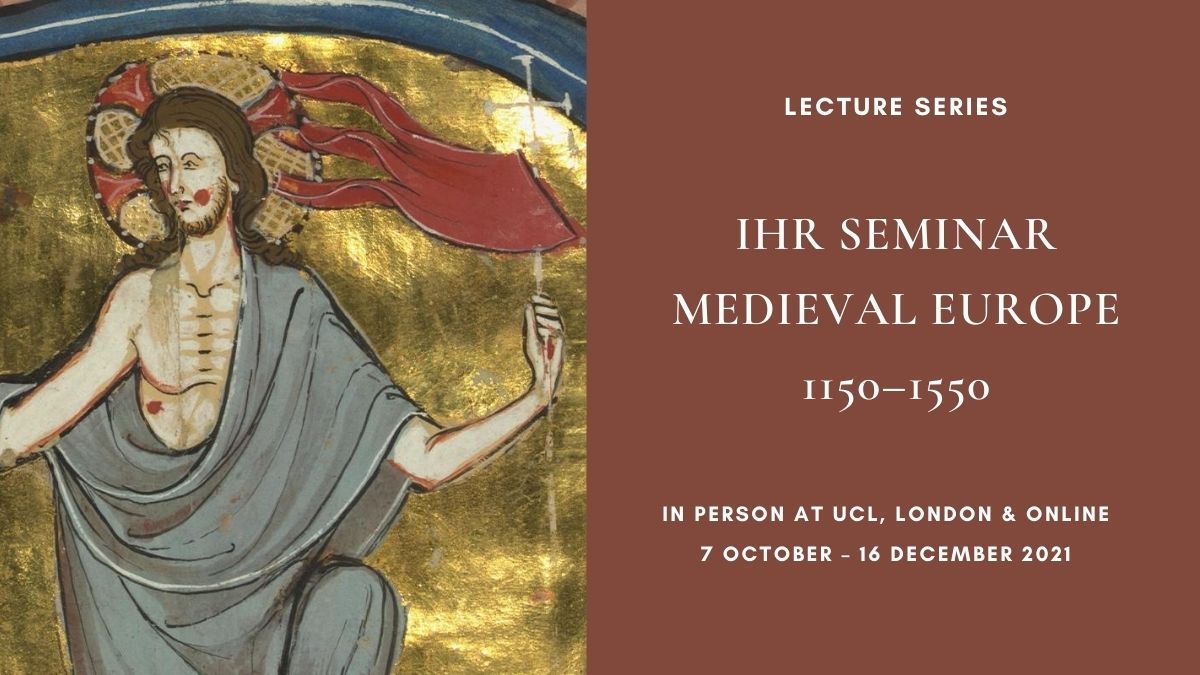
This year the IHR seminar series will take place in a hybrid form, with some in-person meetings with a live-stream via the usual Zoom room, and some Zoom-only seminars as well.
Lecture Series: British Archaeological Association Programme of Meetings 2021-2022
Check out the British Archaeological Association Programme of Meetings 2021-2022.
Online Lecture: ‘East of Byzantium Lecture: Cosmopolitanism as Hospitality’ with Dr Kate Franklin, East of Byzantium lecture of 2021–2022, 5 October 2021, 12:00 pm (ET)
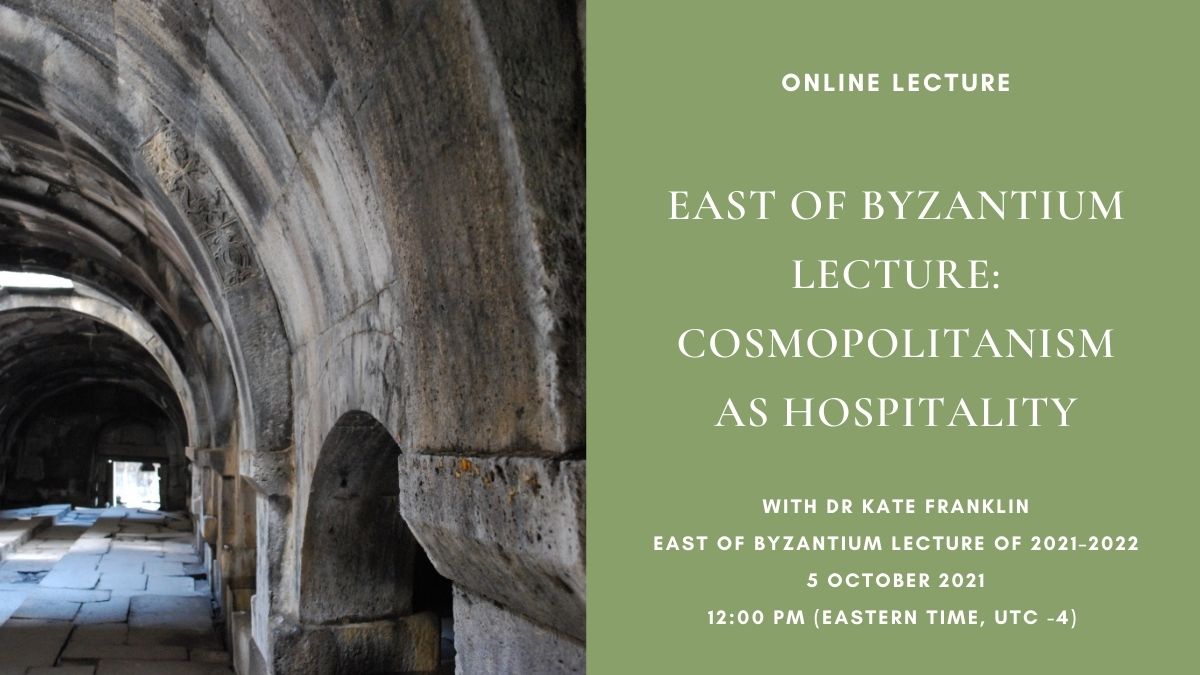
Join Dr Kate Franklin for the East of Byzantium lecture of 2021–2022.
Exhibition: ‘Imperial Splendor: The Art of the Book in the Holy Roman Empire, 800–1500’, The Morgan Library & Museum, New York, 15 October 2021 – 23 January 2022
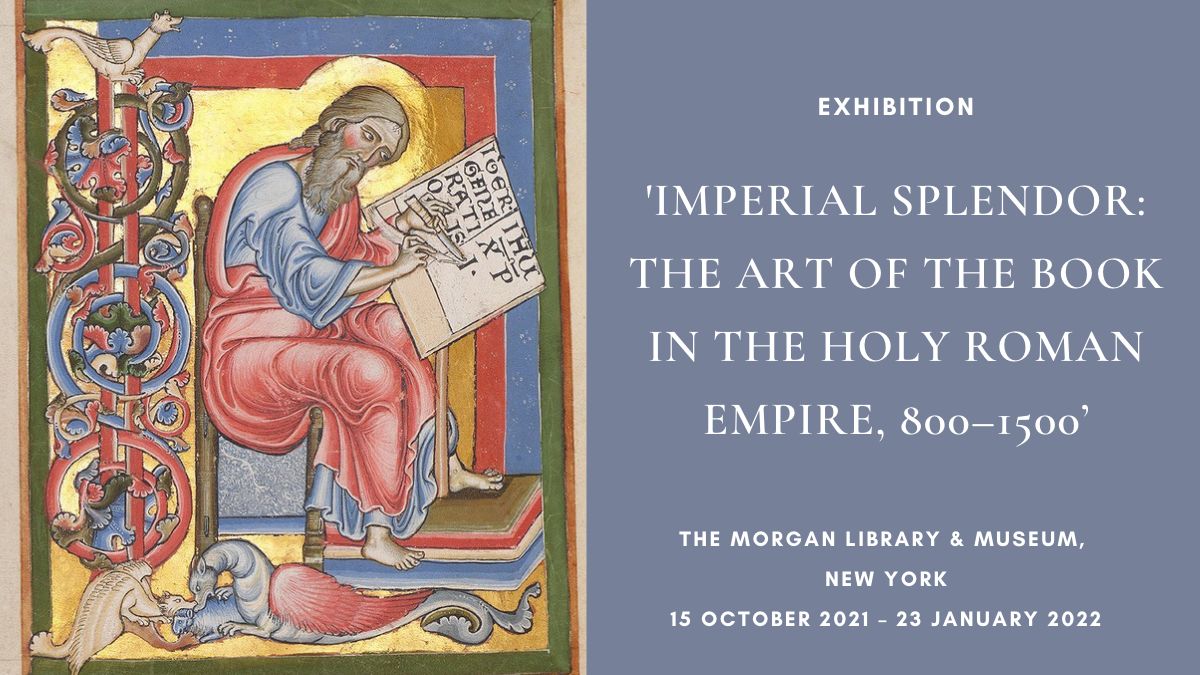
The Morgan Library and Museum is pleased to announce their upcoming exhibition ‘Imperial Splendor: The Art of the Book in the Holy Roman Empire, 800–1500’ which begins 15 October 2021 to 23 January 2022.
New Publication: ‘The Birth of the Author: Pictorial Prefaces in Glossed Books of the Twelfth Century’ by Jeffrey F. Hamburger

This book argues that the images devised to accompany medieval commentaries, whether on the Bible or on classical texts, made claims to authority, even inspiration, that at times were even more forceful than those made by the texts themselves. Paradoxically, it was in the context of commentaries that modern conceptions of independent authorship first were forged.
Online Course: ‘Manuscripts in Arabic Script: Introduction to Codicology’, Aga Khan University, 15–16 November 2021

This online course aims to introduce key concepts in the field of Arabic manuscripts and codicology. It is designed to attract participants who want to learn basic knowledge about Arabic manuscripts.
Conference: ‘Representing and naming Greece & Greek space (14th-16th c.)’, University of Lille, 1 October 2021
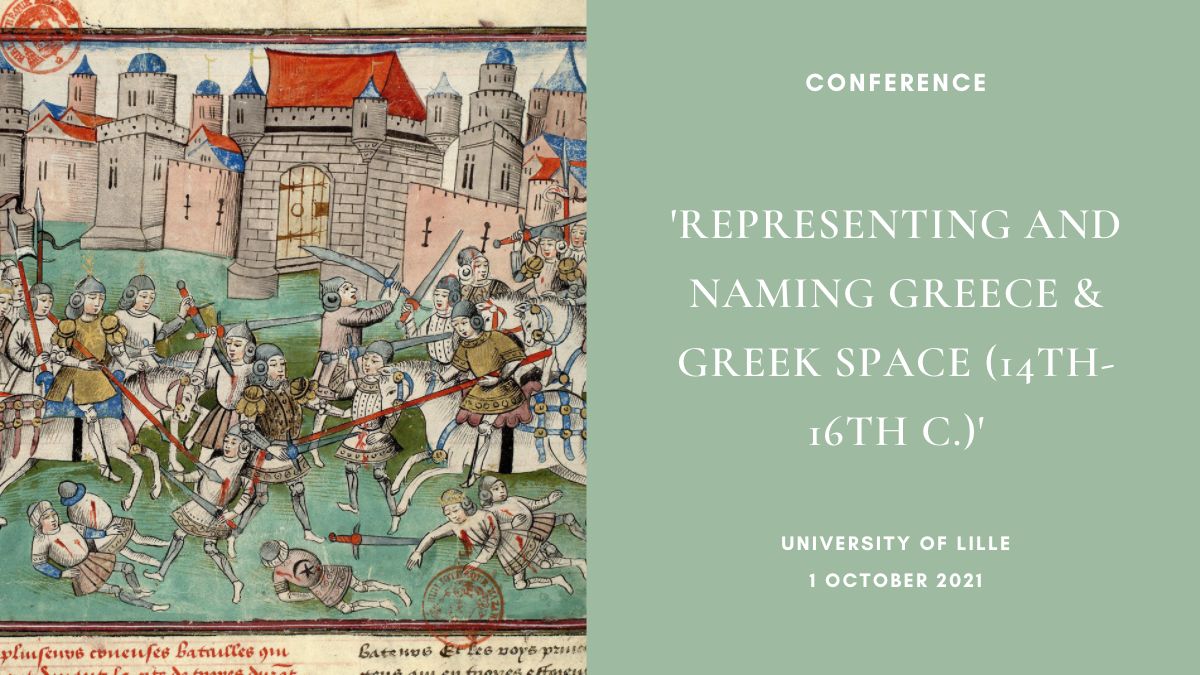
This conference will focus on the representations of Greek space, ancient and “modern”, in textual and iconographic works from the 14th to the 16th century.
CFP: ‘Crafting Medieval Spain: the Torrijos ceilings in context’, For Art History 2022 Annual Conference, Deadline 1 November 2021

This session will explore the legacy of Islamic art in Europe through its medieval ceilings, many of which are dispersed as architectural fragments in contemporary museums. It will focus on the case study of the Torrijos ceilings, four monumental wooden ceilings that were commissioned in the 1490s by a couple close to the Catholic Monarchs, for their palace in Torrijos near Toledo (Spain).
Online Lecture: ‘Byland Abbey: using the dead to bring a medieval monastery to life’, with Dr Michael Carter, Society for Church Archaeology, 1 October 2021, 19–20:00 (BST)
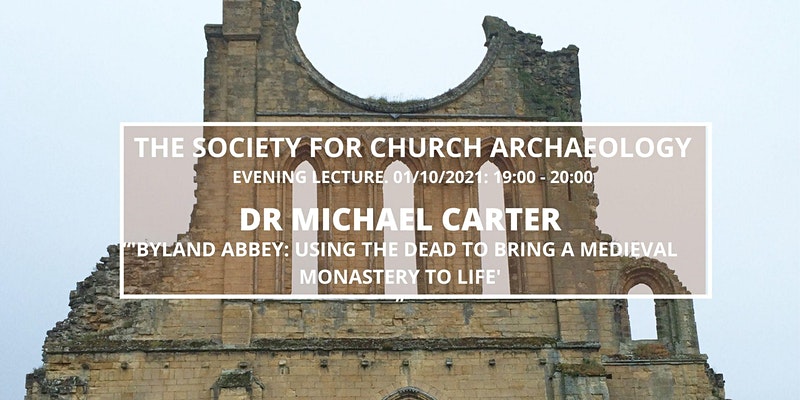
The Society for Church Archaeology is delighted to welcome Dr Michael Carter who will deliver an online lecture on the topic of ‘Byland Abbey: using the dead to bring a medieval monastery to life’.

