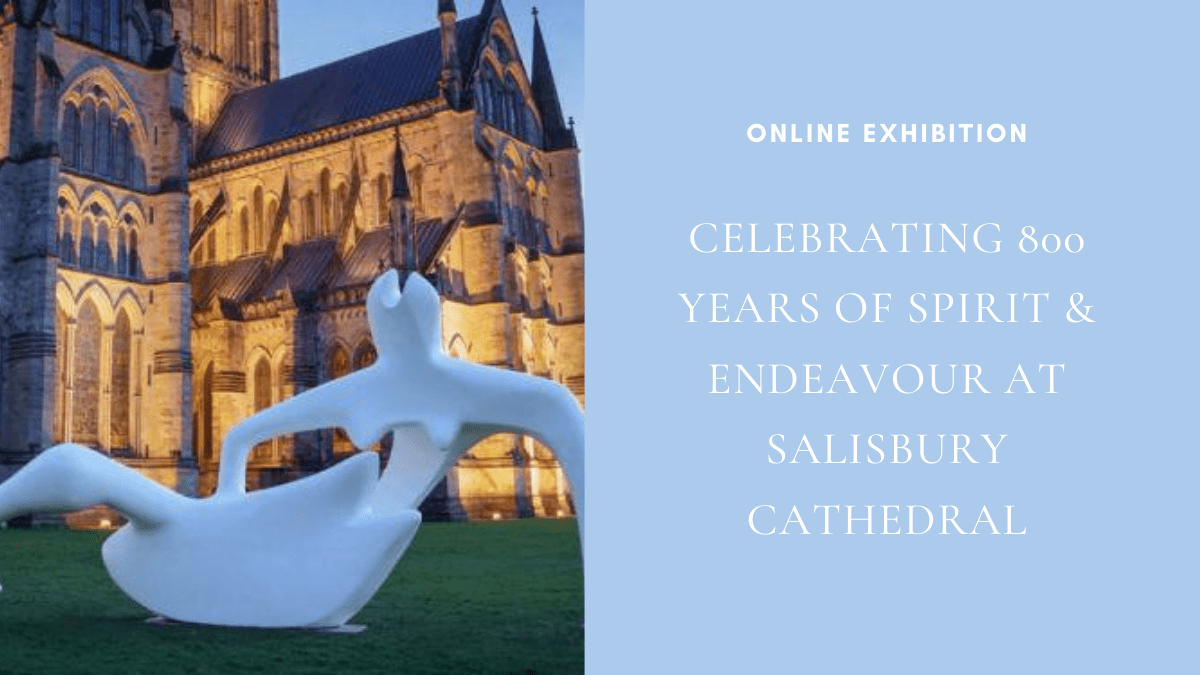
On the 800th anniversary of the laying of its foundation stones Salisbury Cathedral is launching a virtual version of Celebrating 800 years of Spirit and Endeavour, its largest contemporary art exhibition for nearly two decades.
Author Archives: Roisin Astell
New Publication: Christian Maps of the Holy Land: Images and Meanings, by Pnina Arad

This book offers a way of reading maps of the Holy Land as visual imagery with religious connotations. Through a corpus of representative examples created between the sixth and the nineteenth centuries, it studies the maps as iconic imagery of an iconic landscape and analyses their strategies to manifest the spiritual quality of the biblical topography, to support religious tenets, and to construct and preserve cultural memory.
CFP: Global Islamic Archaeology Showcase, online conference (26 September 2020), deadline 22 August 2020
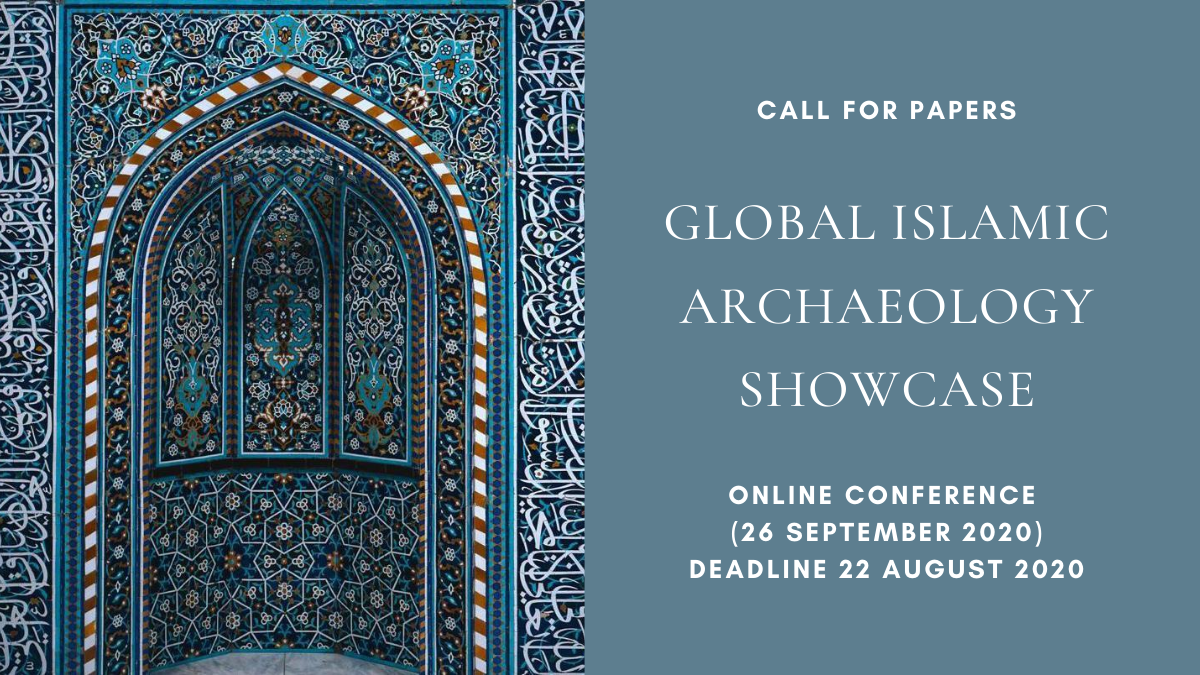
Global Islamic Archaeology Showcase A FREE online postgraduate and early-careers research event hosted by the Centre for Islamic Archaeology (CfIA), Institute of Arab and Islamic Studies (IAIS), University of Exeter 26 September 2020 ABSTRACT DEADLINE: 22 August 2020 GIAS invites early-careers researchers working within the field of Islamic archaeology and material culture to submit papers to our first virtualContinue reading “CFP: Global Islamic Archaeology Showcase, online conference (26 September 2020), deadline 22 August 2020”
New Journal Issue: Journal of Islamic Manuscripts Volume 11 (2020): Issue 2 (Jul 2020)

The Journal of Islamic Manuscripts explores the crucial importance of the handwritten book in the Muslim world. It is concerned with the written transmission of knowledge, the numerous varieties of Islamic book culture and the materials and techniques of bookmaking, namely codicology. It also considers activities related to the care and management of Islamic manuscript collections, includingContinue reading “New Journal Issue: Journal of Islamic Manuscripts Volume 11 (2020): Issue 2 (Jul 2020)”
Online Exhibition: The Cathedral of Santiago de Compostela

The Cathedral of Santiago de Compostela have created a wide range of online exhibitions on Google Arts & Culture for us to enjoy without leaving the comforts of our home!
New Publication: Die Hildesheimer Emailarbeiten des 12. und 13. Jahrhunderts, by Dorothee Kemper
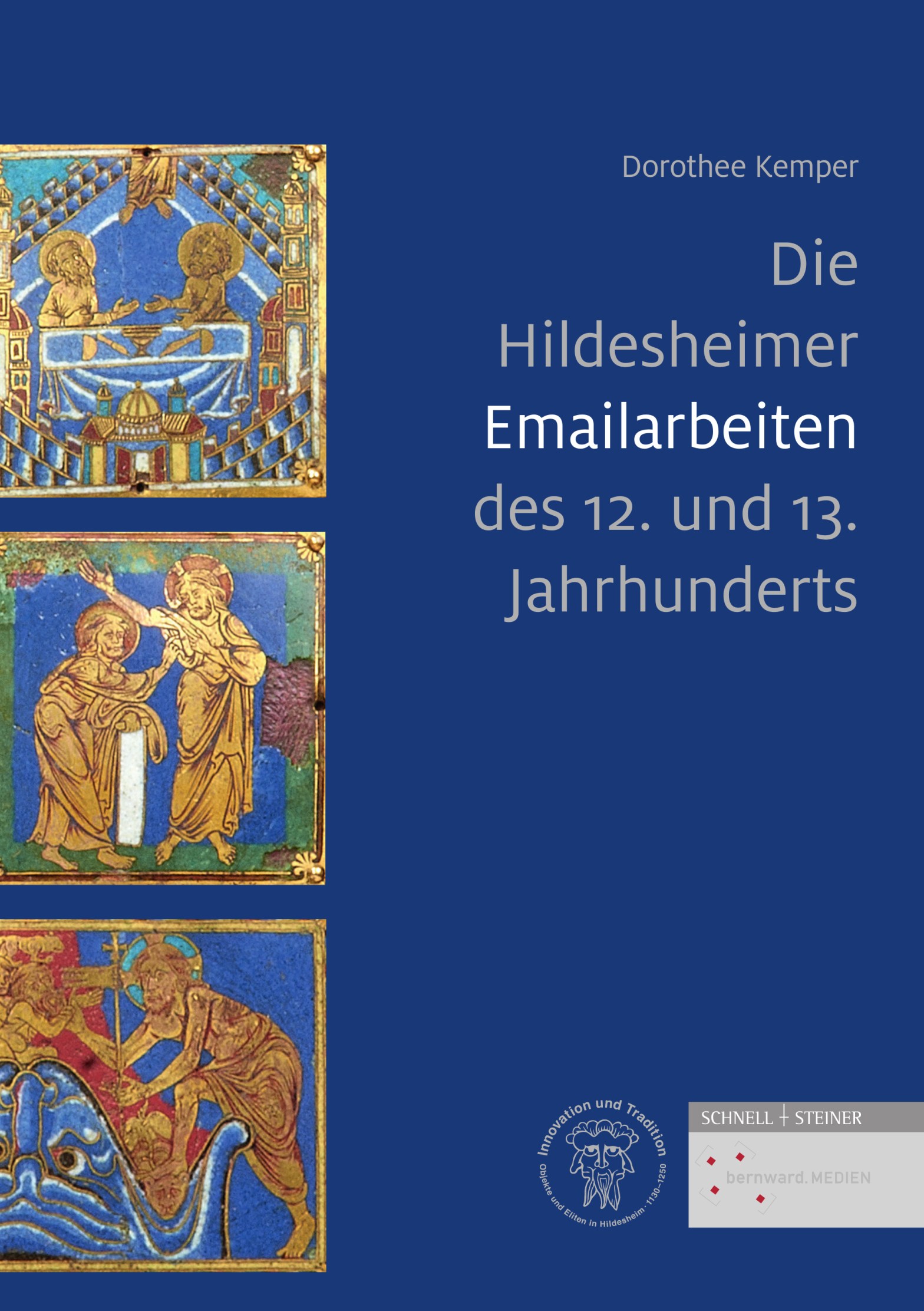
This volume for the first time systematically catalogs medieval Hildesheim champlevé scattered in collections around the world. The products from these local workshops differ from those in large centers for enamel production on the Rhine and Meuse in that they reflect the upholding of local historical tradition by religious elites in the 12th century, as well as the beginnings of mass production for export.
Van Eyck: An Optical Revolution MSK Ghent Virtual Tour

From February 1st until March 12th 2020, the MSK hosted the largest Jan van Eyck exhibition in history. During these weeks, nearly 130,000 visitors came closer to Van Eyck than was ever possible before, but unfortunately the COVID-19 crisis forced us to close the exhibition earlier.
New Publication: Diagramming Devotion: Berthold of Nuremberg’s Transformation of Hrabanus Maurus’s Poems in Praise of the Cross, by Jeffrey F. Hamburger
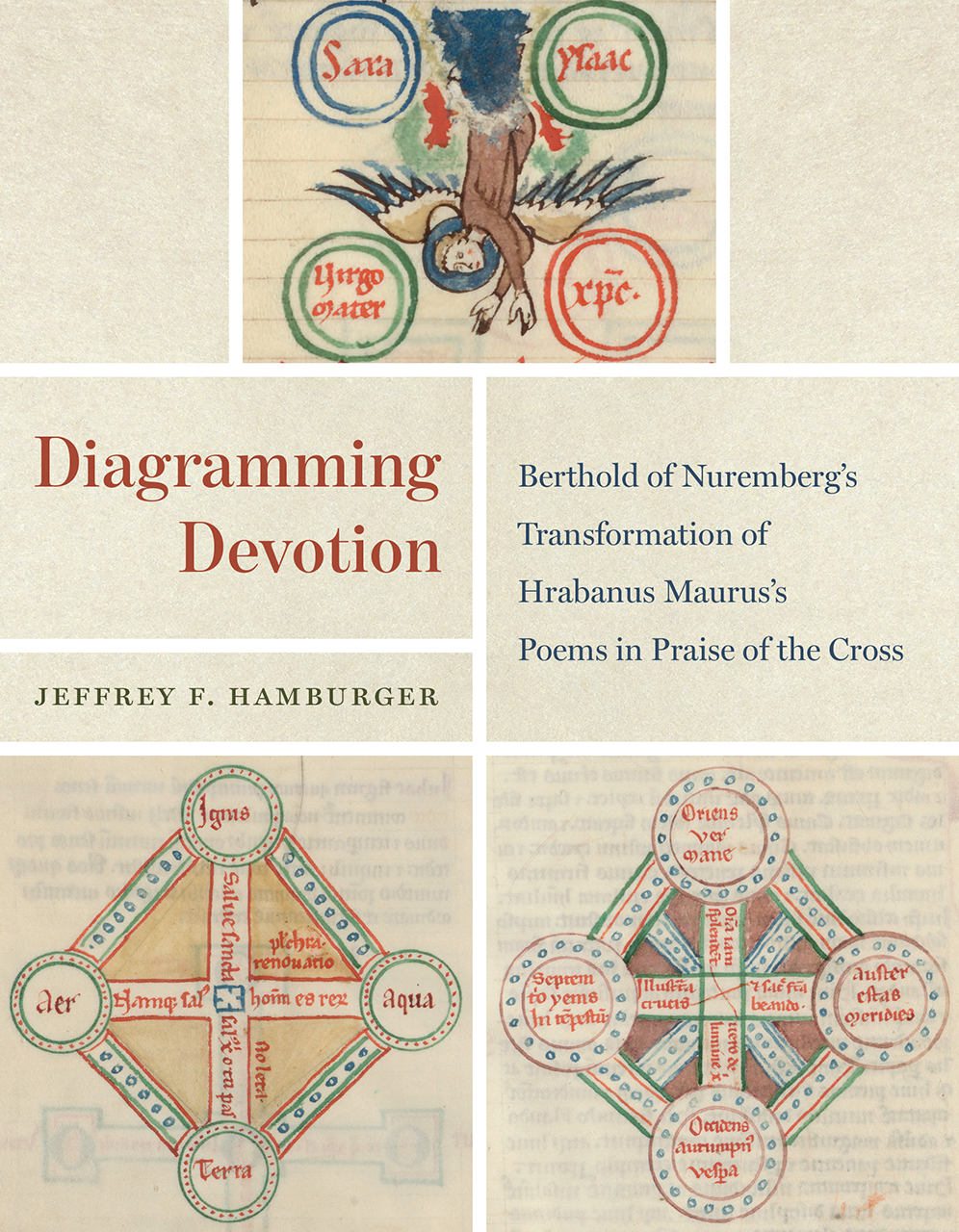
During the European Middle Ages, diagrams provided a critical tool of analysis in cosmological and theological debates. In addition to drawing relationships among diverse areas of human knowledge and experience, diagrams themselves generated such knowledge in the first place. In Diagramming Devotion, Jeffrey F. Hamburger examines two monumental works that are diagrammatic to their core: aContinue reading “New Publication: Diagramming Devotion: Berthold of Nuremberg’s Transformation of Hrabanus Maurus’s Poems in Praise of the Cross, by Jeffrey F. Hamburger”
Postdoctoral Fellowship: Junior Research Fellowship Competition 2021 (Non-stipendiary), Wolfson College, University of Cambridge, deadline 5 October 2020

Wolfson College invites applications for up to ten non-stipendiary Junior Research Fellowships under Title BI.
Online Exhibitions: Cambridge University Library
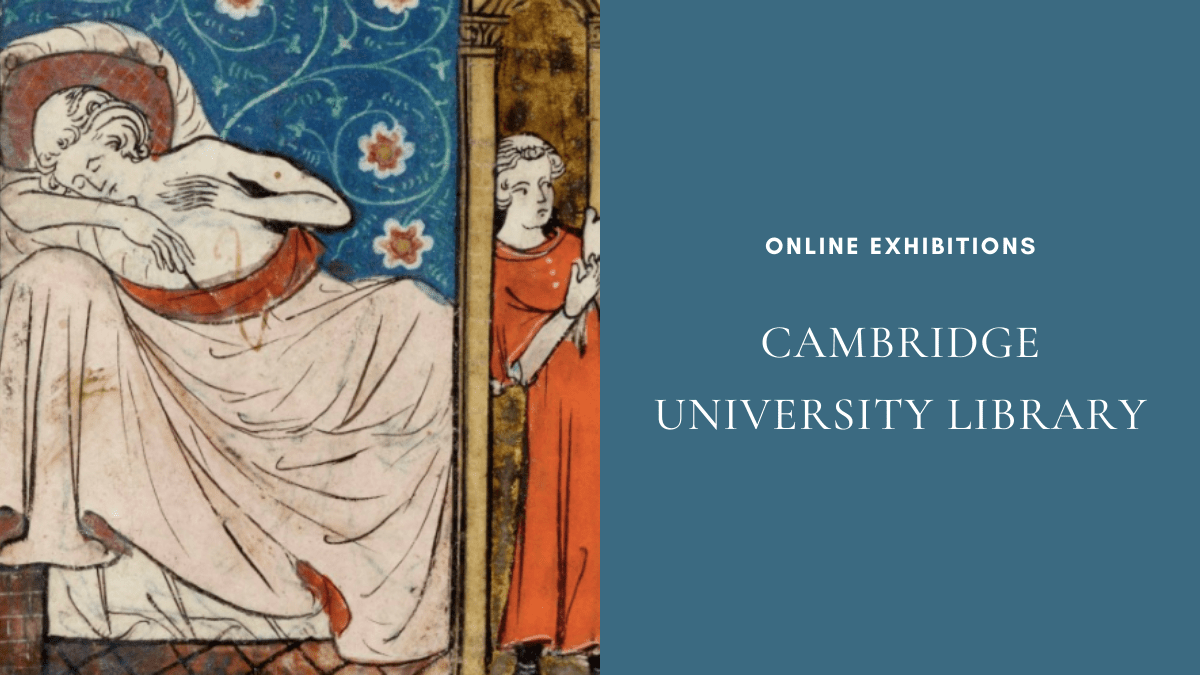
Cambridge University Library has a fantastic ‘online exhibition’ space, where you can virtually explore a number of their previous exhibitions. We’ve made a shortlist of those exhibitions that we think Medieval Art lovers will find most interesting!

