
Born from the fields of Islamic art and architectural history, the archaeological study of the Islamic societies is a relatively young discipline. With its roots in the colonial periods of the late 19th and early 20th centuries, its rapid development since the 1980s warrants a reevaluation of where the field stands today. This Handbook representsContinue reading “New Publication: The Oxford Handbook of Islamic Archaeology, edited by Bethany Walker, Timothy Insoll, & Corisande Fenwick”
Author Archives: Roisin Astell
CPF: ‘Representations of Temperate/Intemperate Emotions in Visual Art and Literature’, IMC Leeds (5–8 July 2021), deadline 15 September 2020

Proposals exploring medieval texts and/or images looking for cues that indicate excessive or temperate feelings, the range of their expression, and the rhetorical devices employed will be welcome.
New Publication: A Globalised Visual Culture?: Towards a Geography of Late Antique Art, edited by Fabio Guidetti & Katharina Meinecke
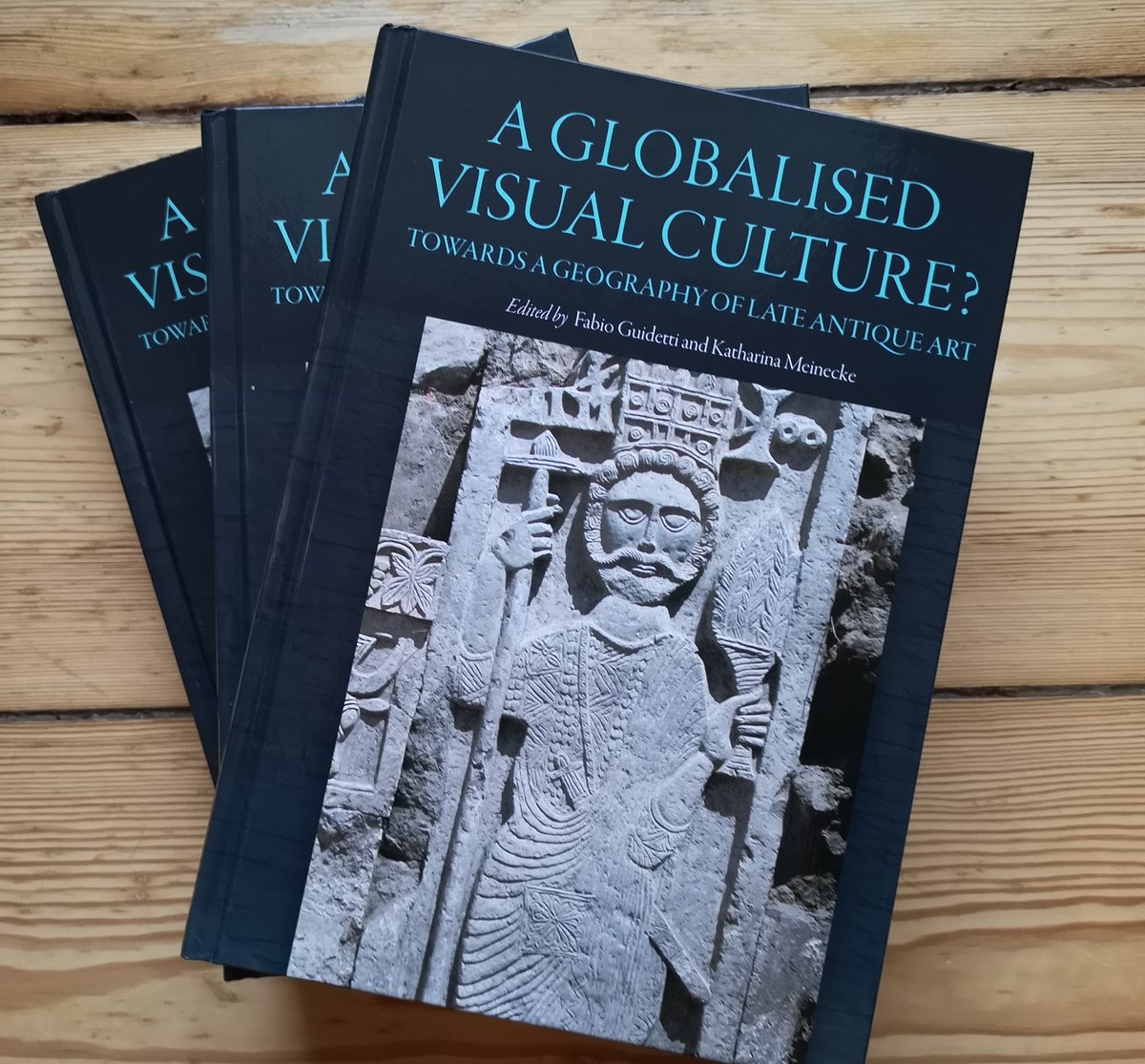
Late Antique artefacts, and the images they carry, attest to a highly connected visual culture from ca. 300 to 800 C.E. On the one hand, the same decorative motifs and iconographies are found across various genres of visual and material culture, irrespective of social and economic differences among their users – for instance in mosaics, architectural decoration, and luxury arts (silver plate, textiles, ivories), as well as in everyday objects such as tableware, lamps, and pilgrim vessels.
CFP: Gender and Medieval Studies conference 2021: ‘Gender and Mobility’ (11–13 January 2021), deadline 31 August 2020

The organisers welcome proposals on any aspect of gender and mobility in the medieval world from scholars at any stage of study or career.
CFP: Research Group on Manuscript Evidence at the ICM Kalamazoo (13–16 May 2021), deadline 15 September 2020

The Research Group on Manuscript Evidence invites proposals for 5 sponsored panels for the International Congress on Medieval Studies 2021.
New Publication: Dissimilar Similitudes: Devotional Objects in Late Medieval Europe, by Caroline Walker Bynum
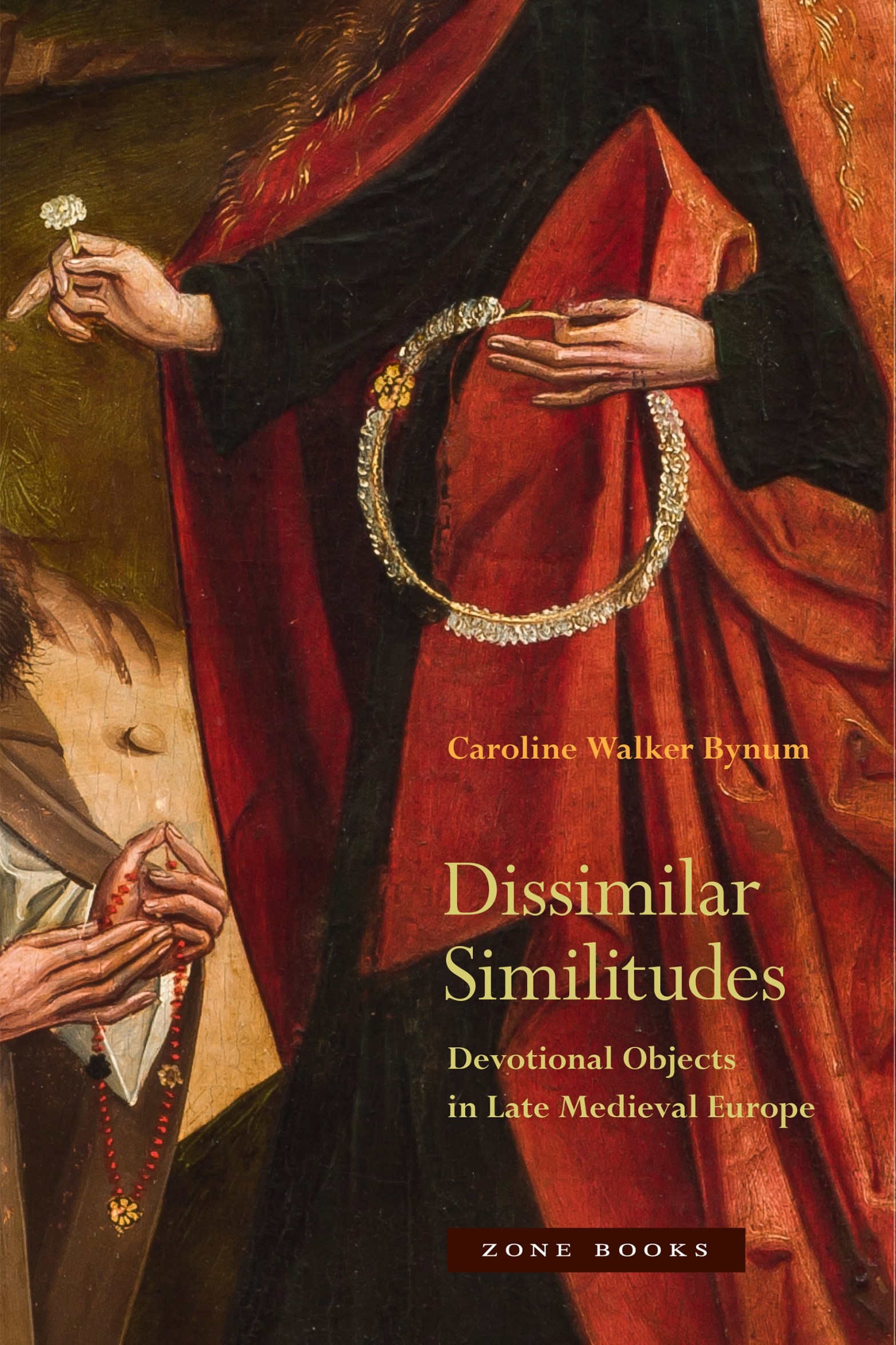
From an acclaimed historian, a mesmerizing account of how medieval European Christians envisioned the paradoxical nature of holy objects. Between the twelfth and the sixteenth centuries, European Christians used in worship a plethora of objects, not only prayer books, statues, and paintings but also pieces of natural materials, such as stones and earth, considered toContinue reading “New Publication: Dissimilar Similitudes: Devotional Objects in Late Medieval Europe, by Caroline Walker Bynum”
CFP: ‘Sinne / Senses’, VIth Forum Kunst des Mittelalters (Frankfurt am Main, 29 Sep – 2 Oct 2021), deadline 15 October 2020
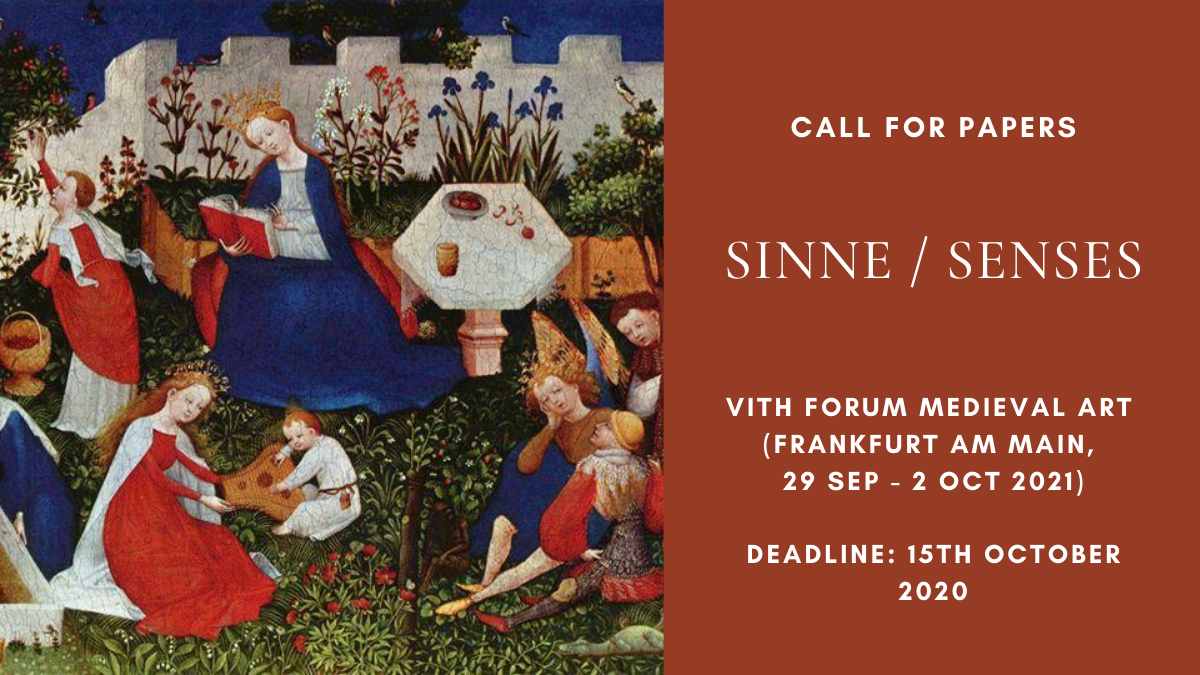
On the conference topic “Senses”: The arts and the senses have always been reciprocally related to one another. In the Middle Ages, sensual encounters with art and architecture offered a variety of ways to perceive, comprehend and structure the world.
New Podcast: Modern Medieval
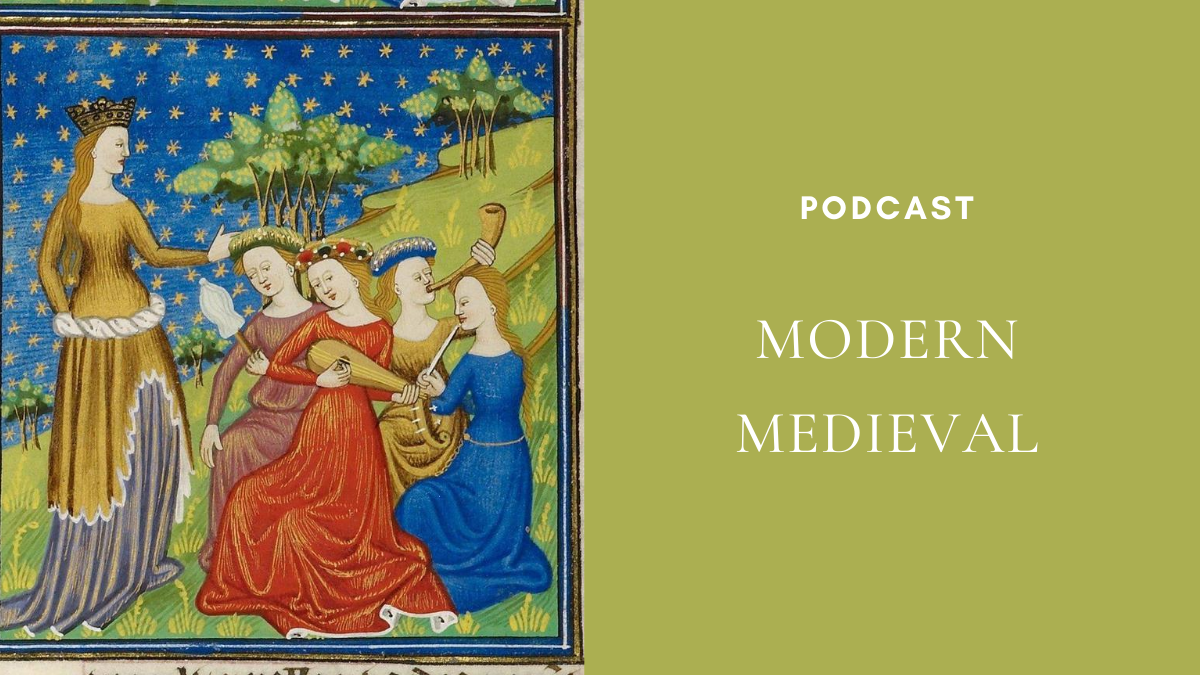
Hosted by Meaghan Allen and Eleanora Narbone, the podcast explores various connections between the modern world and the medieval, from pop culture references to marginalia details, Modern Medieval strives to bridge the gap of knowledge in a fun, engaging and accessible way.
CFP: ‘Space and the Hospital’ (Lisbon, 26-28 May 2021), deadline: 30 September 2020

The International Network for the History of Hospitals (INHH), the ‘Hospitalis: Hospital Architecture in Portugal at the Dawn of Modernity’, and the ‘Royal Hospital of All Saints: city and public’ health Research Projects are pleased to announce the call for papers for Space and the Hospital. The conference will take place in Lisbon, Portugal from 26-28 May 2021.
New Publication: Byzantium in Eastern European Visual Culture in the Late Middle Ages, edited by Maria Alessia Rossi & Alice Isabella Sullivan
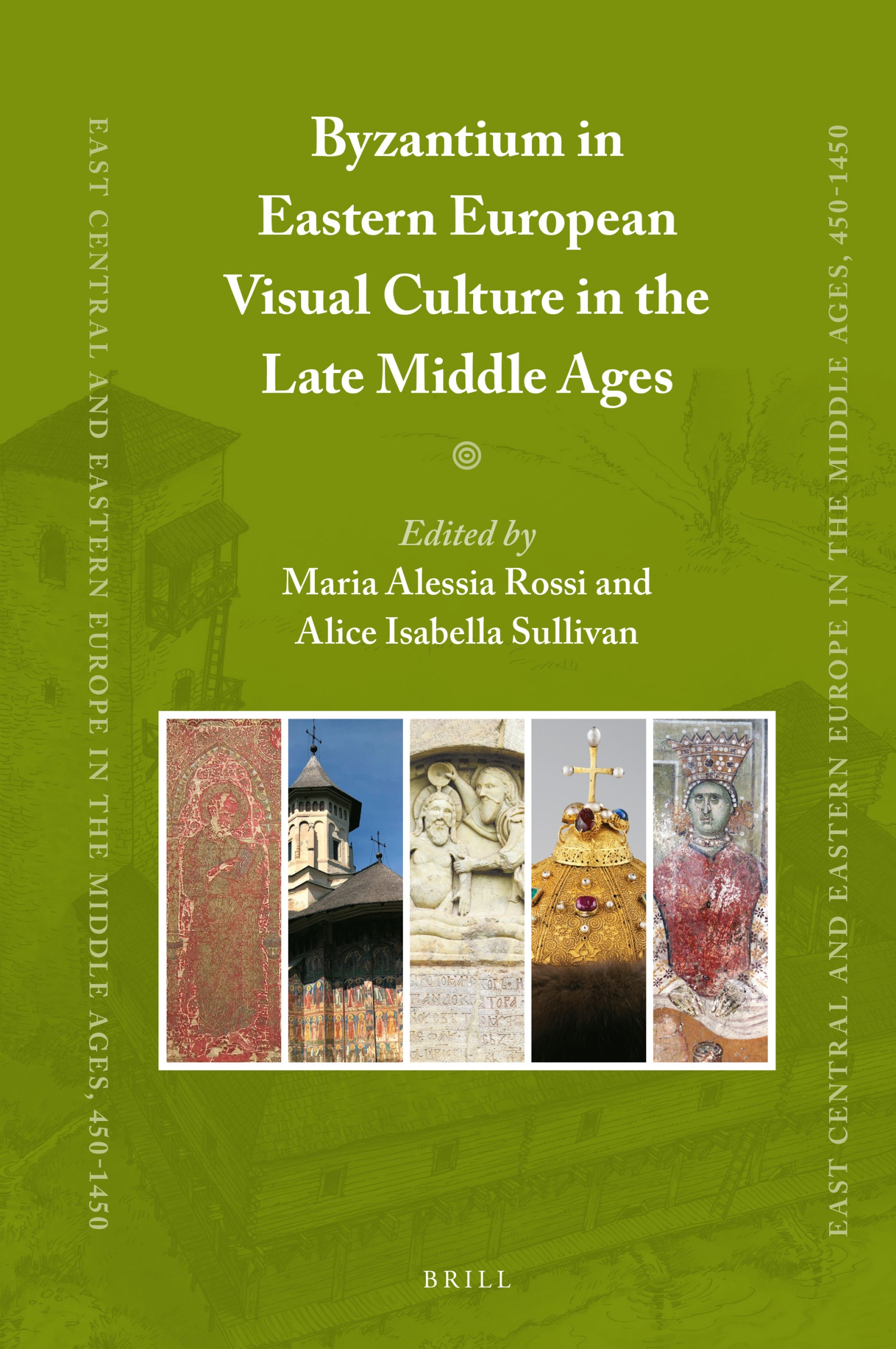
Byzantium in Eastern European Visual Culture in the Late Middle Ages, edited by Maria Alessia Rossi and Alice Isabella Sullivan, engages with issues of cultural contact and patronage, as well as the transformation and appropriation of Byzantine artistic, theological, and political models, alongside local traditions, across Eastern Europe.
 Medieval Art Research