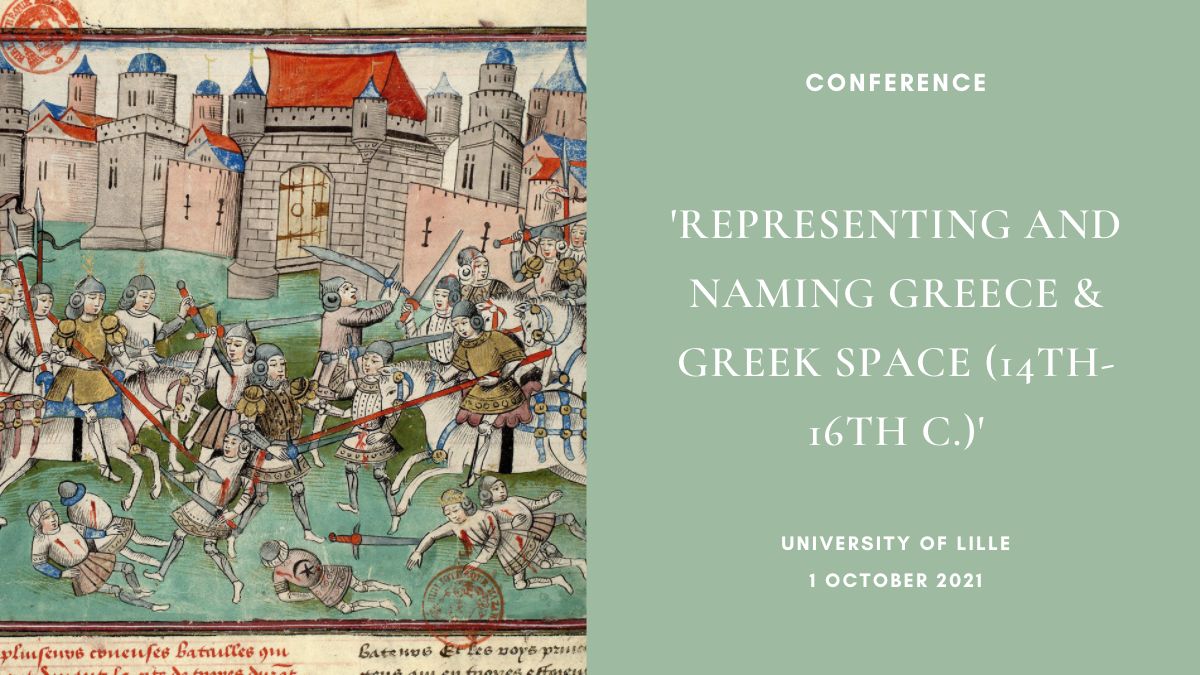
This conference will focus on the representations of Greek space, ancient and “modern”, in textual and iconographic works from the 14th to the 16th century.
Author Archives: Roisin Astell
CFP: ‘Crafting Medieval Spain: the Torrijos ceilings in context’, For Art History 2022 Annual Conference, Deadline 1 November 2021

This session will explore the legacy of Islamic art in Europe through its medieval ceilings, many of which are dispersed as architectural fragments in contemporary museums. It will focus on the case study of the Torrijos ceilings, four monumental wooden ceilings that were commissioned in the 1490s by a couple close to the Catholic Monarchs, for their palace in Torrijos near Toledo (Spain).
Online Lecture: ‘Byland Abbey: using the dead to bring a medieval monastery to life’, with Dr Michael Carter, Society for Church Archaeology, 1 October 2021, 19–20:00 (BST)
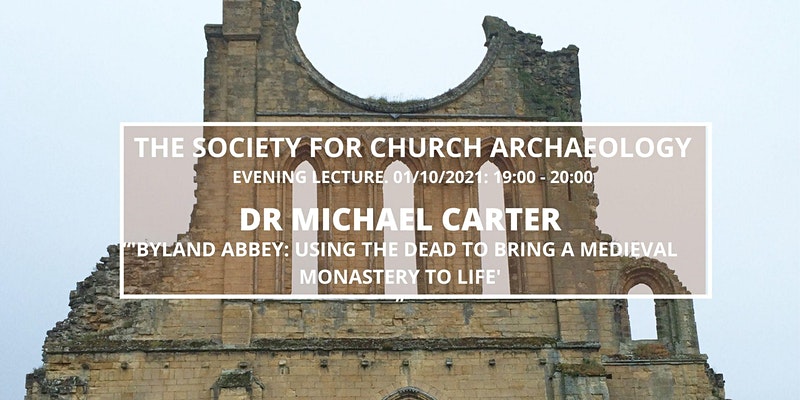
The Society for Church Archaeology is delighted to welcome Dr Michael Carter who will deliver an online lecture on the topic of ‘Byland Abbey: using the dead to bring a medieval monastery to life’.
Online Conference: ‘Loss’, 14th Annual Schoenberg Symposium on Manuscript Studies in the Digital Age, 17-19 November 2021

The Schoenberg Institute for Manuscript Studies (SIMS) at the University of Pennsylvania Libraries is pleased to announce the 14th Annual Lawrence J. Schoenberg Symposium on Manuscript Studies in the Digital Age.
Lecture: ‘The City as Signifier: Nuremberg in the Nuremberg Chronicle’ with Professor Jeffrey F. Hamburger, The Morgan Library & Museum, New York, 6:30pm (EDT), 15 October 2021

Join Jeffrey F. Hamburger for a lecture to celebrate the opening of ‘Imperial Splendor: The Art of the Book in the Holy Roman Empire, ca. 800–1500.’
Online Lecture: ‘Representing Architecture in early Islam: The San’a’ Qur’an Frontispieces’ with Professor Marcus Milwright, University of York History of Art department, 17 November 2021, 4.00pm (GMT)

Join Professor Marcus Milwright from the University of Victoria for his paper on ‘Representing Architecture in early Islam: The San’a’ Qur’an Frontispieces’
CFP: ‘The Medieval Diagram as Subject’, School of Advanced Study, London, deadline 15 October 2021
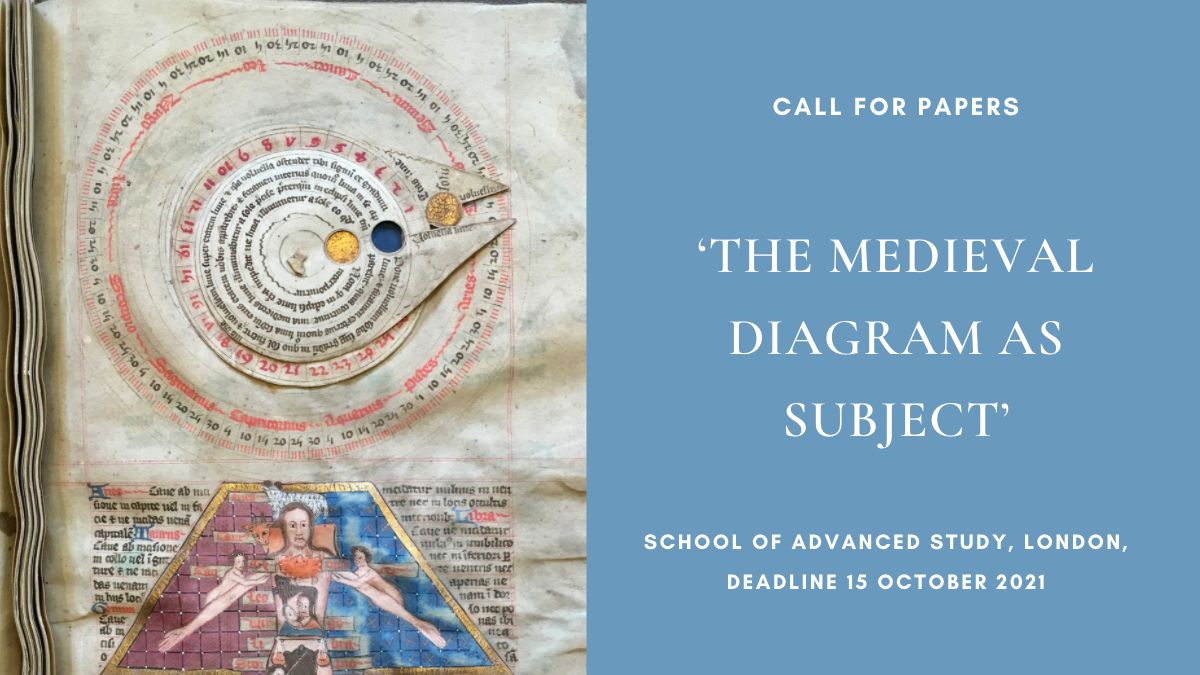
This conference will examine medieval diagrams as autonomous objects, and the visual and material features that allow them to function as independent entities.
Lecture series: London Society for Medieval Studies Autumn 2021 Programme, 28 September – 14 December 2021
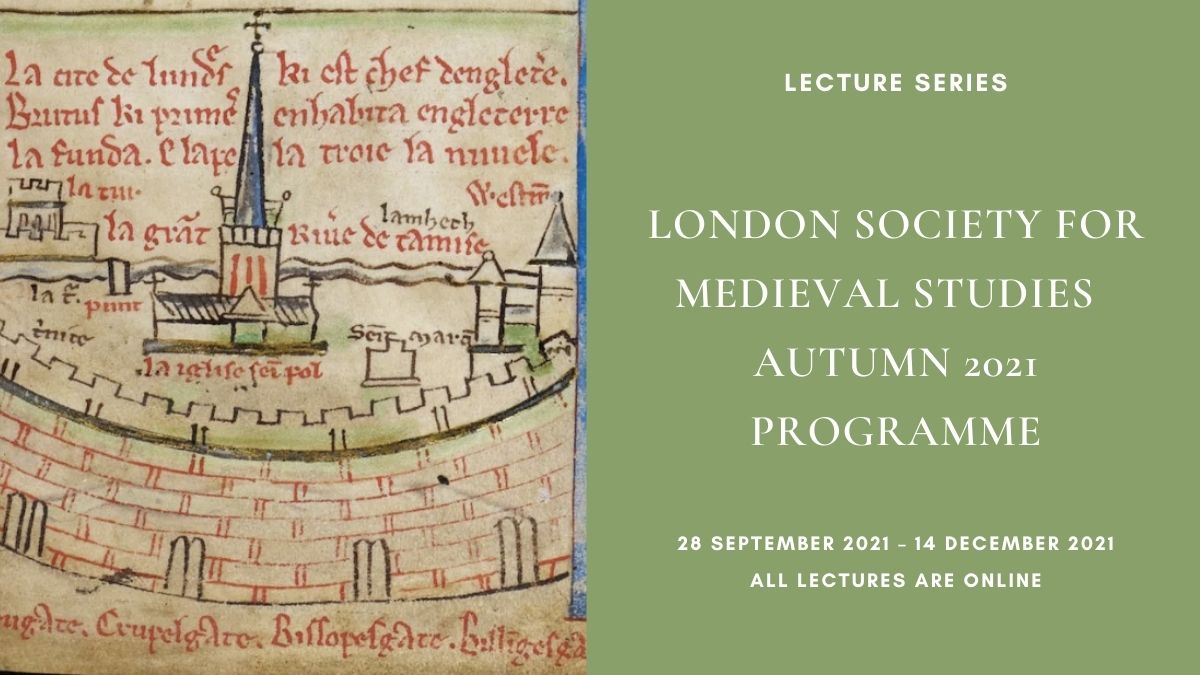
The London Society for Medieval Studies is excited to announce their 2021 Autumn Programme!
Online Conference: ‘Fragments and Frameworks: Illuminated Manuscripts and Illustrated Books in Digital Humanities’, National Gallery of Art, Washington DC, 11am–4pm (EDT), 1 October 2021

This conference will discuss fragments and frameworks, actual and conceptual, in art history and related disciplines, and address emerging questions in digital humanities.
CFP: ‘Rethinking Royal Manuscripts in a Global Middle Ages’, ICMA sponsored session at AAH conference London 2022, deadline 1 November 2021

This panel sets out to examine and compare the impact of royal patronage on the visual, material, and textual features of manuscripts produced across Africa, Asia, Mesoamerica and Europe during the ‘Global Middle Ages.’
 Medieval Art Research