
This new book explores the relationship between illumination and other arts by considering significant cases from the Carolingian era to the Renaissance, passing from Paris to Bologna, from the Alps to the Mediterranean.
Tag Archives: New Publication
New Publication: ‘Imágenes de la liturgia medieval: Planteamientos teóricos, temas visuales y programas iconográficos’, by Ángel Pazos López

This book studies the world of images of medieval liturgical ceremonies, preserved mainly in the figurative programmes of more complex works of art (manuscripts, sacred artefacts, liturgical textiles, sculptures, etc.) from the methodological paradigms of art history and visual studies.
New Publication: ‘Eikón/Imago: Imago, ius, religio: Religious Images in Illustrated Legal Manuscripts and Printed Books (9th-20th Centuries)’, ed. Maria Alessandra Bilotta and Gianluca del Monaco

Some of the scientific results of the research conducted by the IUS ILLUMINATUM research team are published in the monographic issue.
New Publication: Natural Light in Medieval Churches, edited by Vladimir Ivanovici and Alice Isabella Sullivan, published by Brill

Inside Christian churches, natural light has long been harnessed to underscore theological, symbolic, and ideological statements. In this volume, twenty-four international scholars with various specialties explore how the study of sunlight can reveal essential aspects of the design, decoration, and function of medieval sacred spaces. Themes covered include the interaction between patrons, advisors, architects, andContinue reading “New Publication: Natural Light in Medieval Churches, edited by Vladimir Ivanovici and Alice Isabella Sullivan, published by Brill”
New Publication: ‘Digital Codicology: Medieval Books and Modern Labor’ by Bridget Whearty
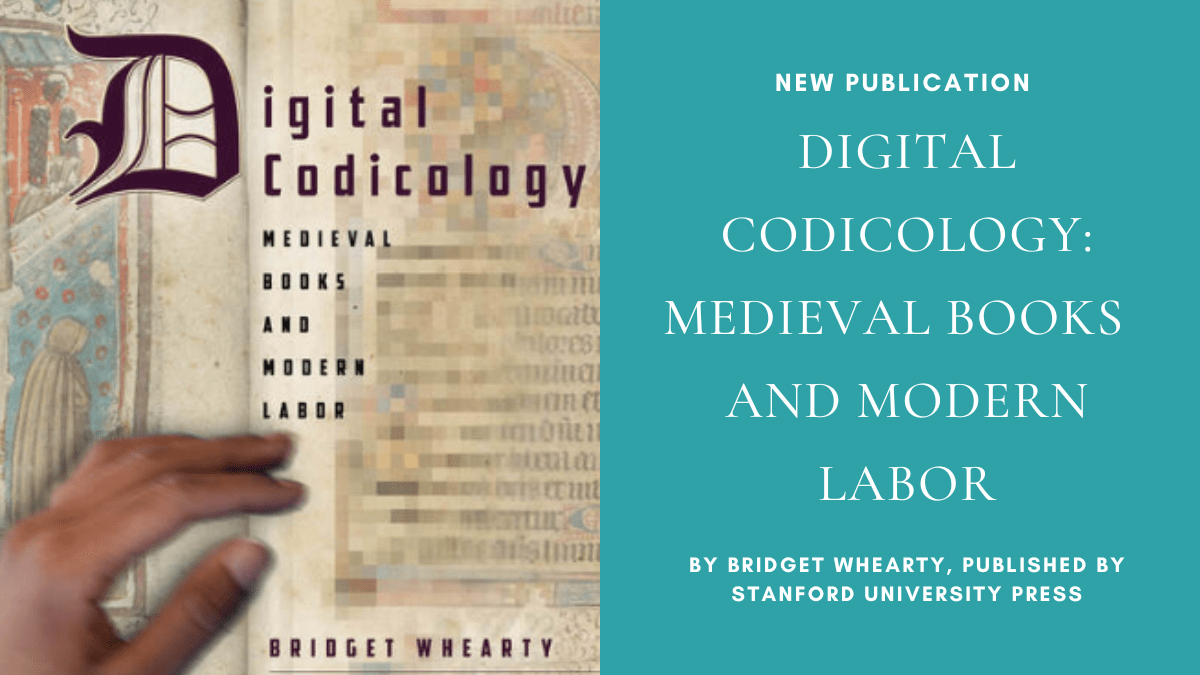
Medieval manuscripts are our shared inheritance, and today they are more accessible than ever—thanks to digital copies online. Yet for all that widespread digitization has fundamentally transformed how we connect with the medieval past, we understand very little about what these digital objects really are. We rarely consider how they are made or who makesContinue reading “New Publication: ‘Digital Codicology: Medieval Books and Modern Labor’ by Bridget Whearty”
New Publication: ‘Bringing the Holy Land Home: The Crusades, Chertsey Abbey, and the Reconstruction of a Medieval Masterpiece’, ed. by Amanda Luyster

Essays illuminate specific material contexts that similarly witness western Europe’s, and particularly England’s, engagement with the material culture of the eastern Mediterranean, including ceramics, textiles, relics and reliquaries, metalwork, coins, sculpture, and ivories.
New Publication: ‘Los animales en los Beatos. Representación, materialidad y retórica visual de su fauna apocalíptica (ca. 900-1248)’ by Nadia Mariana Consiglieri
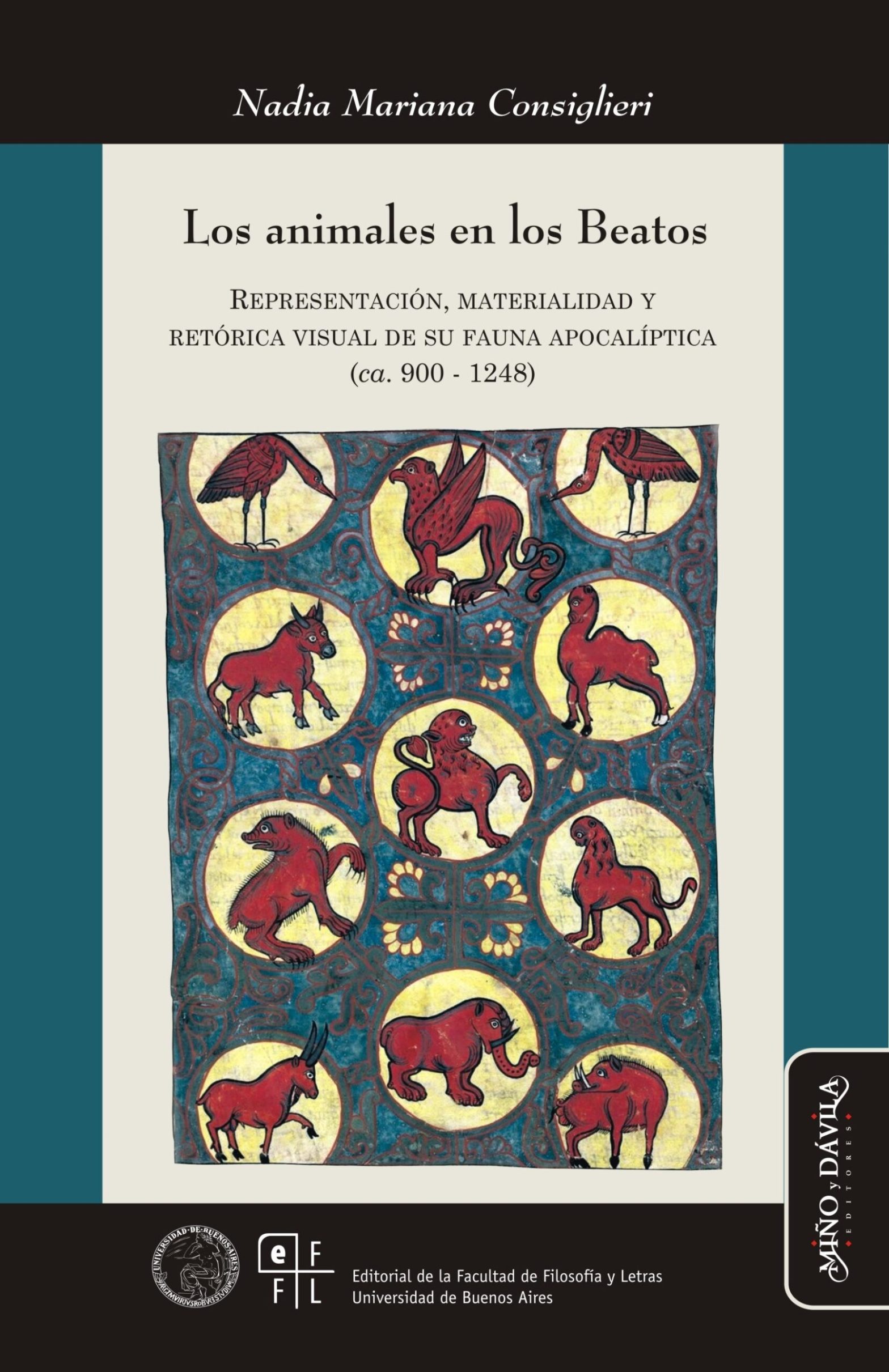
Beatus illuminated manuscripts were mainly produced in the Iberian region but also in French and Italian territories between the 10th and 13th centuries when Beatus of Liébana’s Commentary on the Apocalypse was copied in monastic scriptoria. Depending on their origin and time, the versions of their animals were modified.
New Publication: ‘Inventing Late Antique Reliquaries. Reception, Material History, and Dynamics of Interaction (4th-6th Centuries CE)’ by Adrien Palladino

Tracing the medieval reliquary’s “pre-history”, this volume examines boxes bearing Christian images and patterns made between the fourth to the sixth century CE.
New Publication: ‘Transforming the Church Interior in Renaissance Florence’ by Joanne Allen

In this volume, Joanne Allen explores the widespread presence of screens and their role in Florentine social and religious life prior to the Counter-Reformation.
New Publication: ‘Horizons médiévaux d’Orient et d’Occident: Regards croisés entre France et Japon’, ed. Atushi Egawa, Marc Smith, Megumi Tanabe, and Hanno Wijsman
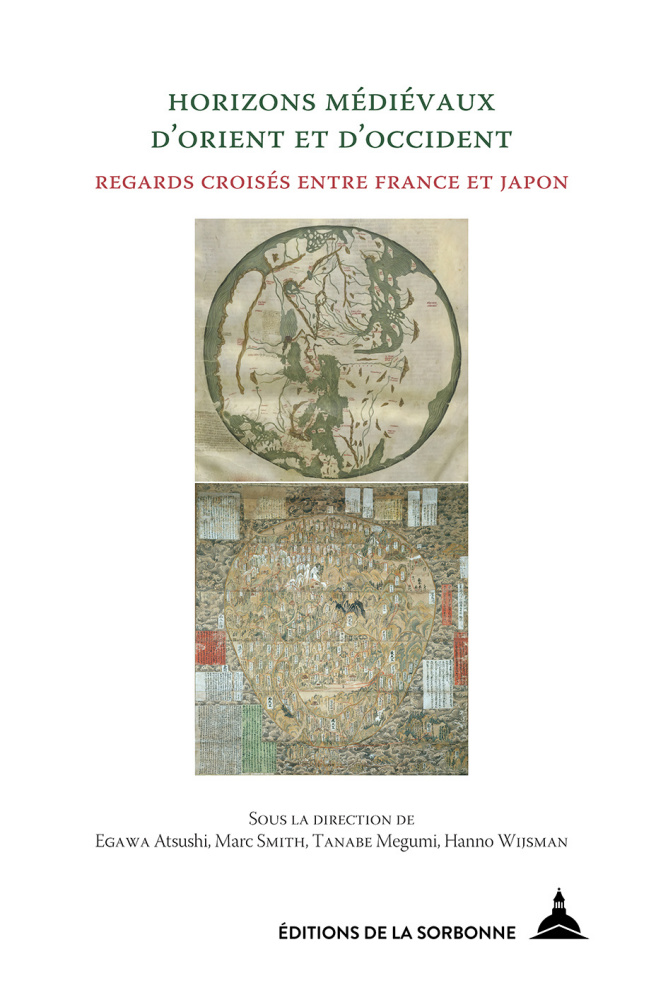
This volume contains fifteen articles from the international symposium “Cultural exchanges in the Middle Ages: from dialogue to the construction of cultures”, held 18th and 19th November 2017 at the Yamato-Bunkakan museum in Nara, the former capital of Japan, at the initiative of the network of medievalists Ménestrel.
 Medieval Art Research