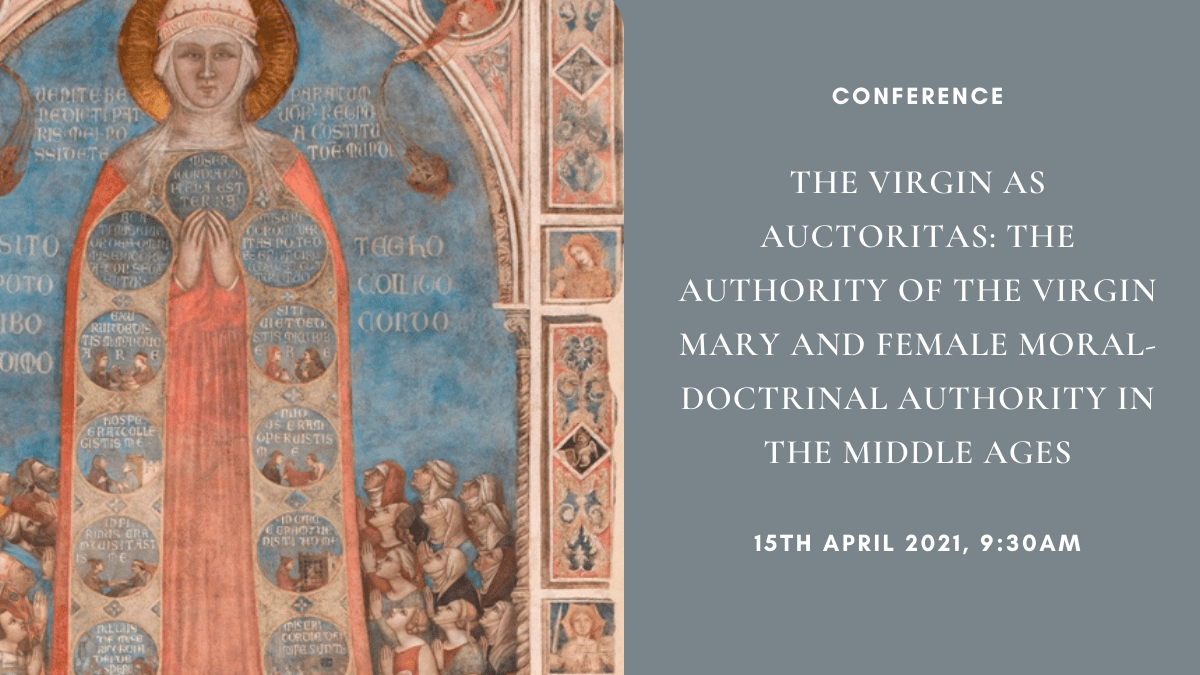
ORGANIZED BY Francesca Dell’Acqua, Università degli studi di Salerno This session aims at exploring a fundamental issue: female authority through the lens of visual/material culture. It involves prominently the Virgin Mary – as well as figures of female authority in the medieval world – because in the late decades of the 20th century, feminist thinkers pointed atContinue reading “Conference: The Virgin as Auctoritas: The Authority of the Virgin Mary and Female Moral-Doctrinal Authority in the Middle Ages, 15th April 2021, 9:30am”
Tag Archives: Conference
Online Conference: ‘Thomas Becket: Life, Death and Legacy’, 28-30 April 2021

Join Canterbury Cathedral and the University of Kent for three days of exciting papers, 28-30th April 2021, examining the history, visual and material culture, archaeology, architecture, literature, liturgy, musicology, and reception of Becket’s cult at Canterbury, across Europe and beyond, with keynote papers by Rachel Koopmans, Paul Webster, and Alec Ryrie.
Online Conference: ‘The Umayyads from West to East: New Perspectives’, 22 – 23 March 2021 (CEST)
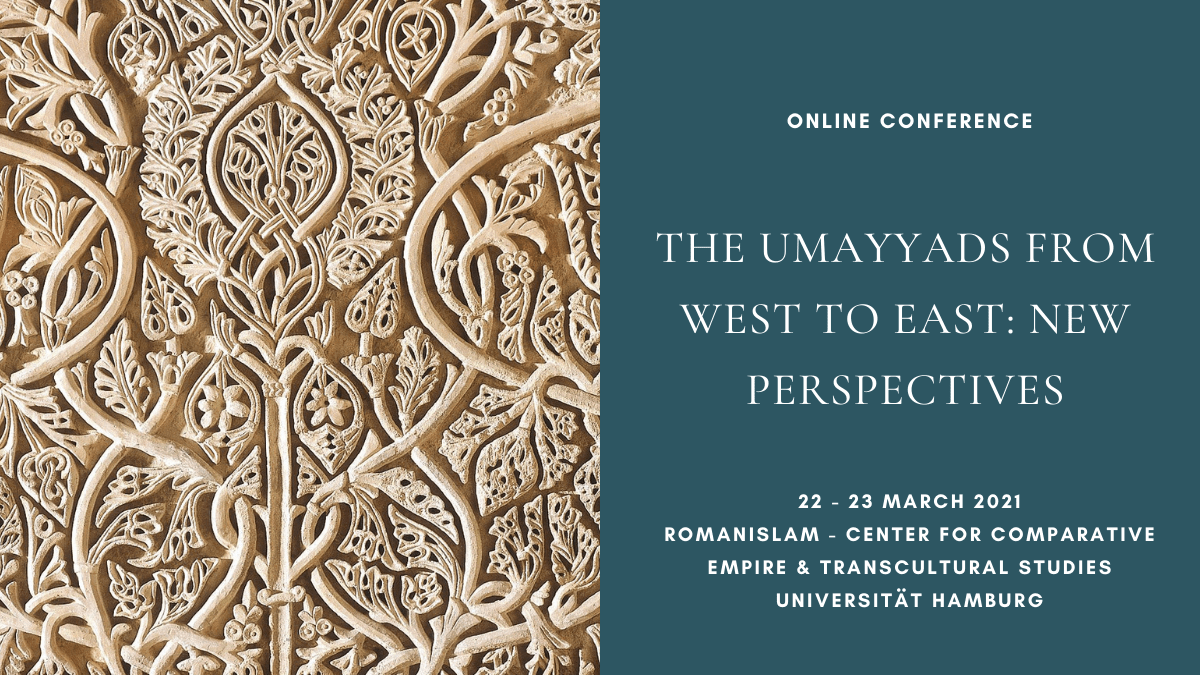
Join RomanIslam – Center for Comparative Empire & Transcultural Studies Universität Hamburg for the upcoming conference ‘The Umayyads from West to East: New Perspectives’.
Online Conference: Care and conservation of manuscripts, University of Copenhagen, 14-16 April 2021
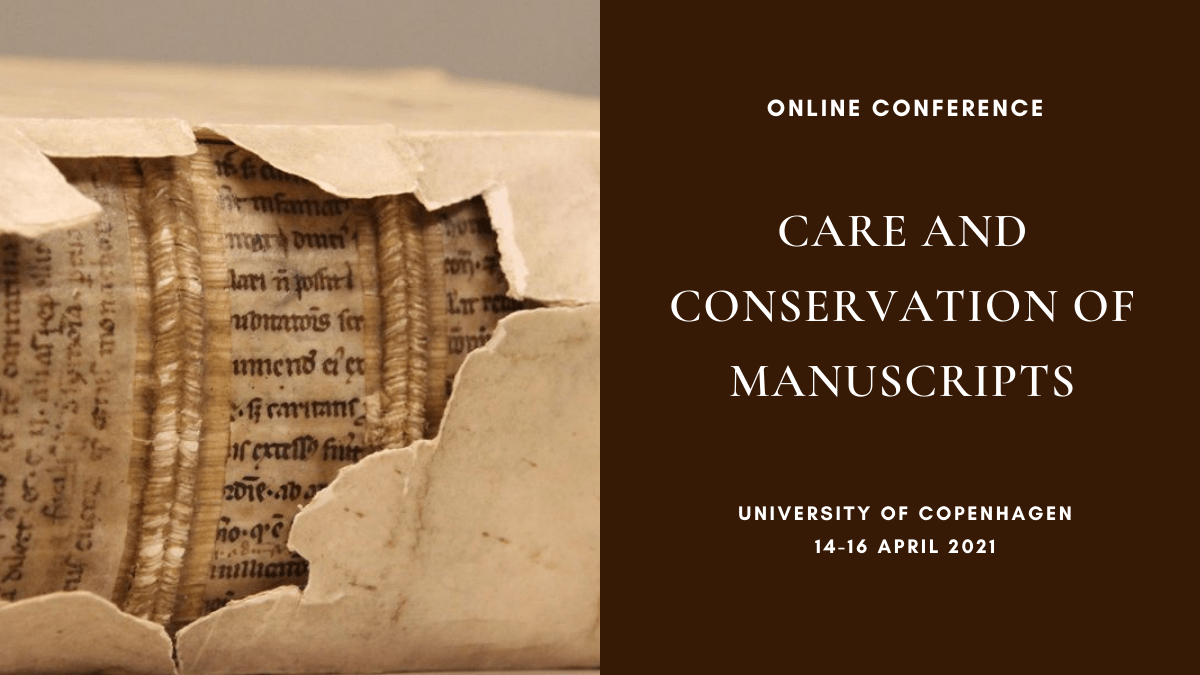
The 18th seminar on the Care and conservation of manuscripts will be held virtually from the 14th to the 16th of April 2021. Please note all times are in Copenhagen Time (CET).
Online Conference: Regional Furniture Society: ‘Research in Progress: New Thinking about Medieval Furniture’, 13 March 2021, 10:00am – 16:45pm (GMT)

The next Regional Furniture Society meeting in the series of Research in Progress meetings will take place on 13 March 2021 as a Zoom meeting.
Online Conference: ‘Visions of the End: Medieval & Renaissance Apocalyptic Cultures’, Marco Institute’s 17th annual symposium, 5-7 March 2021
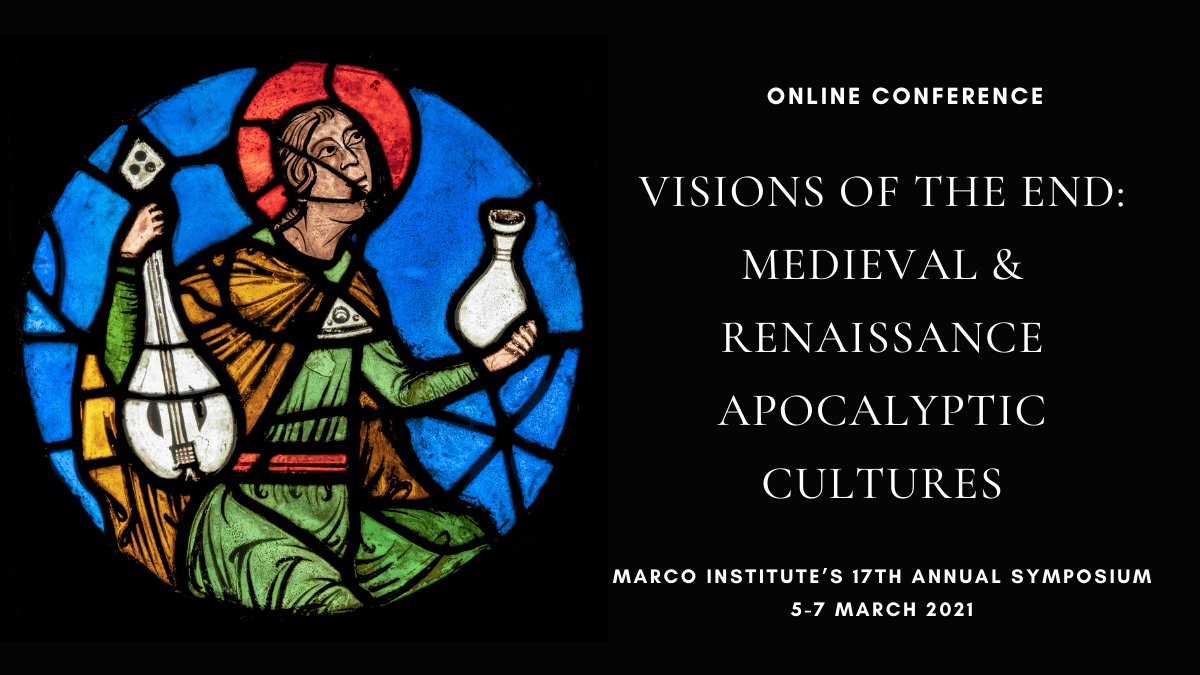
The Marco Institute’s 17th annual (virtual) symposium will explore apocalyptic themes. During the course of three days, eleven leading scholars will discuss medieval and Renaissance responses to the Book of Revelation written by John of Patmos and the end-times he predicted. During the virtual sessions, scholars working in the disciplines of art history, history, literary studies, and religious studies will present their current research on the celestial visions and the millennial fears of pre-modern times.
Online Conference: ‘Self-Representation in Late Antiquity and Byzantium’, 23rd International Graduate Conference of the Oxford University Byzantine Society, 26–28 February 2021
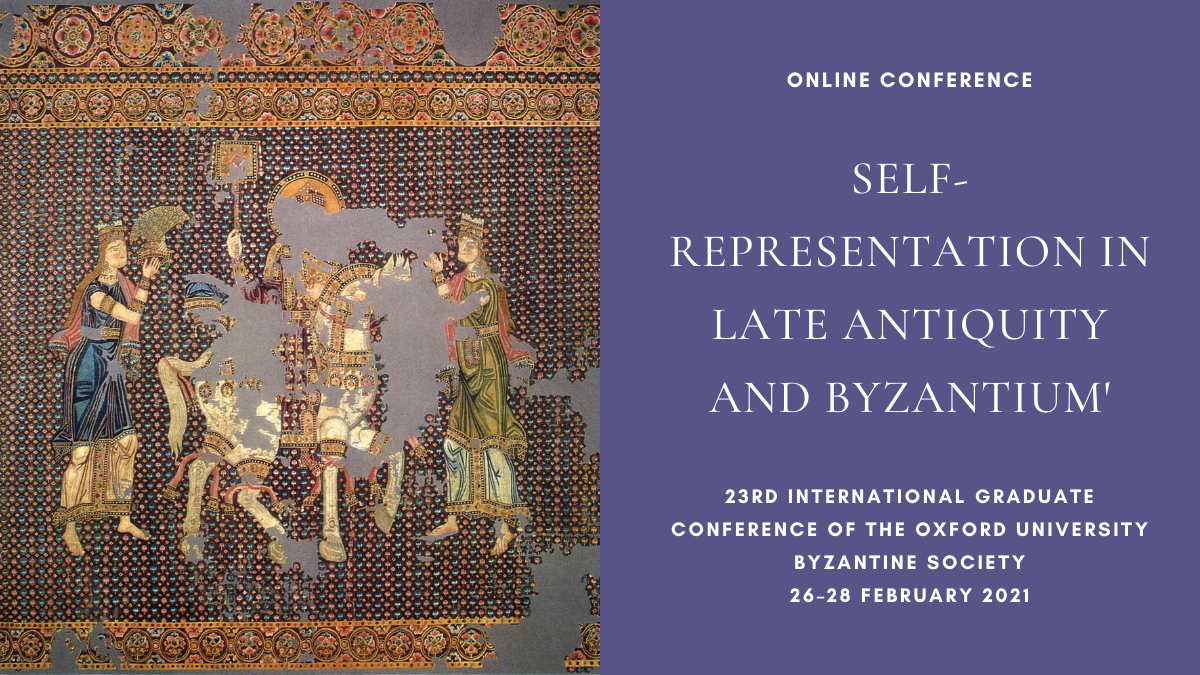
Join Oxford University Byzantine Society for their 23rd International Graduate Conference.
Online Colloquium: ‘Dante & Medieval Conceptions of Space and Architecture’ part of the In via Dante colloquium series, 24 February 2021, 15:00-17:30pm (GMT)
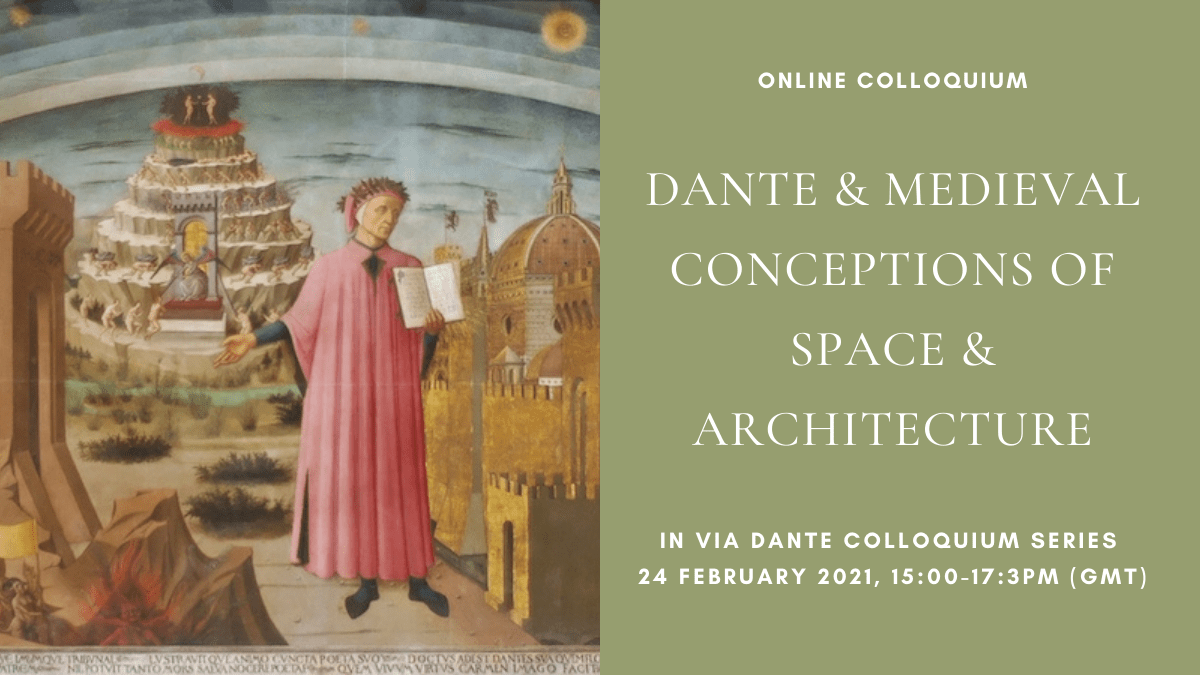
The In via Dante Network at the University of Leeds are hosting three colloquia aimed at creating a platform for doctoral and early career researchers working on Dante across different institutions to come together to discuss their work.
Online Conference: The Courtauld’s 26th Annual Medieval Postgraduate Colloquium: ‘Display and Displacement in Medieval Art and Architecture’, Courtauld Institute of Art, 18-19 February 2021, 11:00 – 16:00 (GMT)
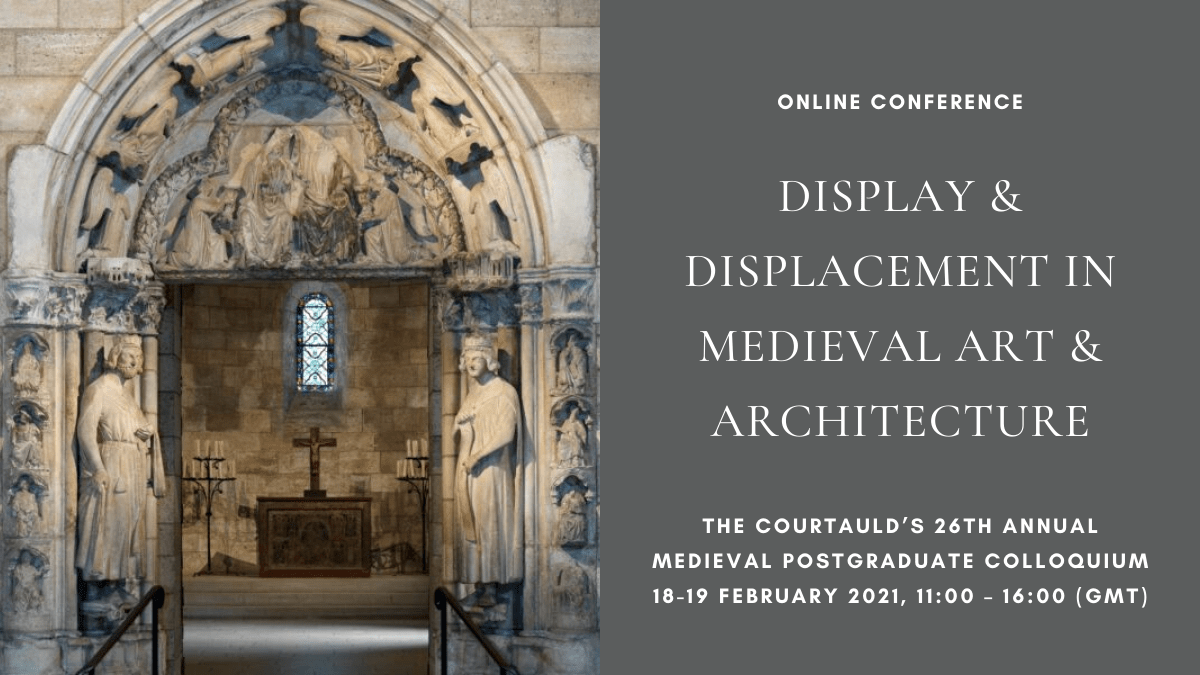
The Courtauld’s 26th Annual Medieval Postgraduate Colloquium has invited speakers from various academic fields (including, but not limited to, art history, archaeology, material culture and conservation studies) to consider various forms of displacement and their visual and experiential implications for medieval art and architecture.
Online Conference: ‘Remarkable women’: Female patronage of religious institutions, 1300-1550, Courtauld Institute of Art, 29 January 2021, 10:00 – 17:45 (GMT)
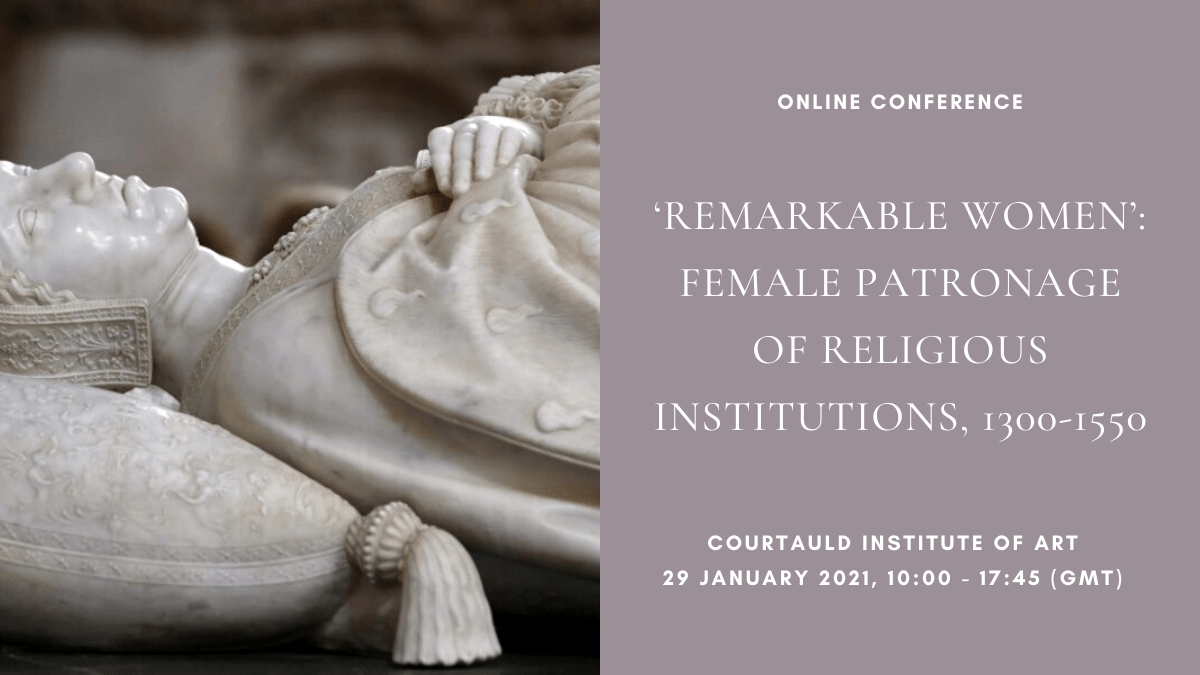
This conference seeks to explore the ways in which women patronised and interacted with monasteries and religious houses during the late Middle Ages, how they commissioned devotional and commemorative art for monastic settings, and the ways in which these donations were received and understood by their intended audiences.
 Medieval Art Research