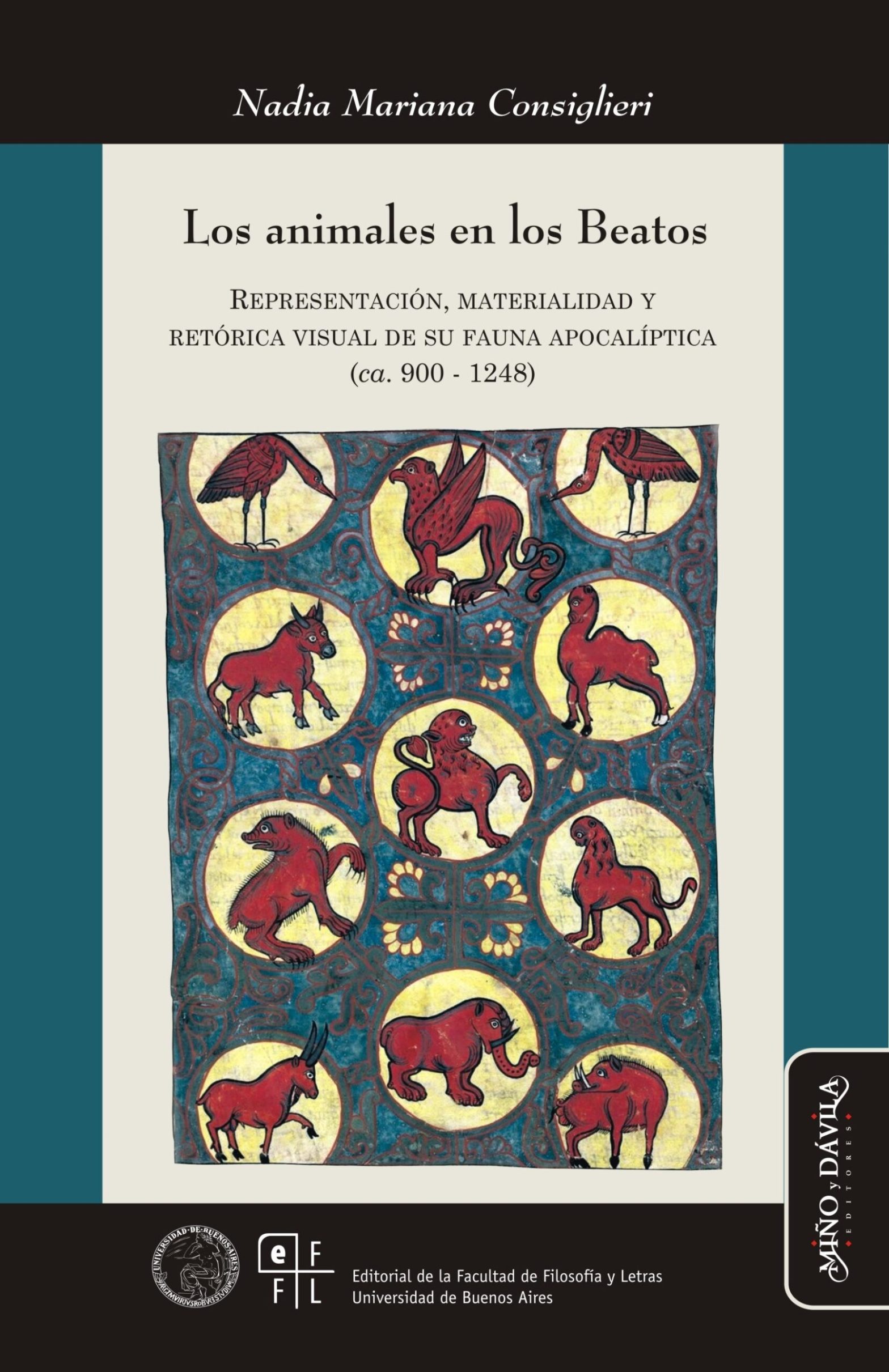
Beatus illuminated manuscripts were mainly produced in the Iberian region but also in French and Italian territories between the 10th and 13th centuries when Beatus of Liébana’s Commentary on the Apocalypse was copied in monastic scriptoria. Depending on their origin and time, the versions of their animals were modified. In this regard, the different animal figures were structured in these manuscripts from the sacred and devil poles in continuity with the Isidorian classification based on the opposite concepts domestication- bestiality, featured in his Etymologiae. These zoomorphic representations in Beatus codex acquired ideological and rhetorical functions by acting as effective support structures for the eschatological contents of the Commentary in the activity of monastic lectio.
To purchase, visit Mino y Davila.
Discover more from Medieval Art Research
Subscribe to get the latest posts sent to your email.
 Medieval Art Research